Rain changes how the camper van is used. Activities that were spread around an outdoor space move closer together, and the entrance becomes a place for wet clothing, footwear and returning belongings. I would plan that version of the day alongside the sunny one rather than assume the same layout works without a change.
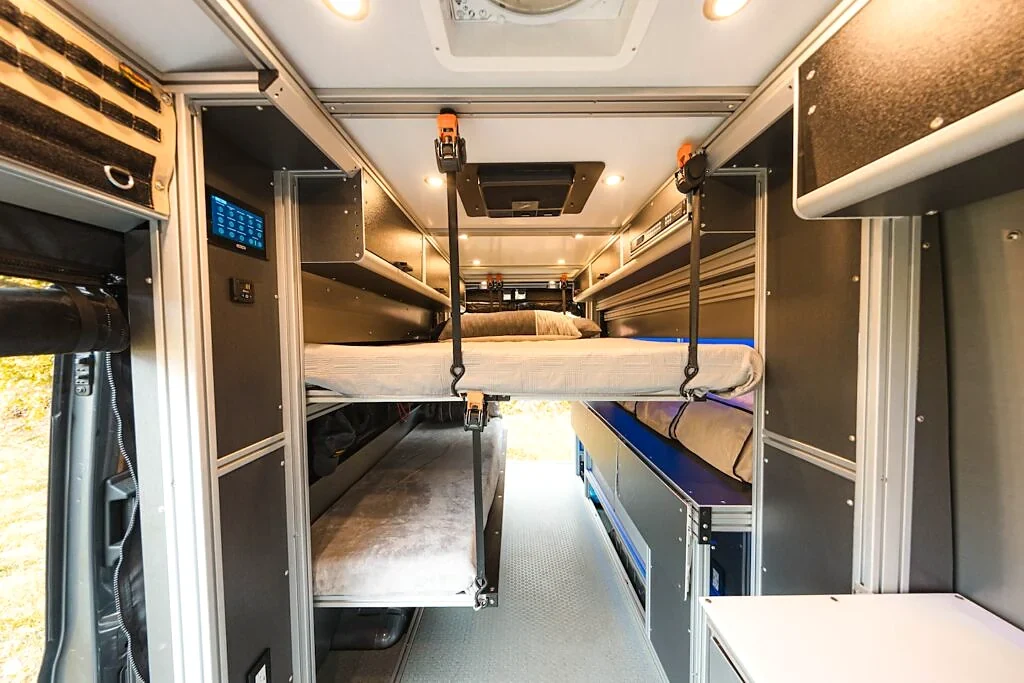
My Transit build uses aluminum extrusion, black and gray carpet, butcher-block countertops, a bed area and a computer area. Those are the documented interior choices. I use that physical context to connect the entrance, temporary storage, shared surfaces and sleeping area in one wet-day routine.
The useful output is a rainy-day plan that shows where incoming items wait, which indoor activities compete for space and how the van returns to its ordinary arrangement. It belongs beside the full-time layout guide, with a narrower focus on the operations that change when outdoor space is unavailable.
Draw The Day With The Outdoor Space Removed
I would begin by listing the activities normally done outside and deciding which need an indoor version. Taking off a coat, sorting a bag, preparing food and relaxing may all use the same limited surfaces when the weather changes. Naming them makes the overlaps visible before another storage item is added.
I would keep the actual travel belongings in the drawing. A rainy-day plan made from an empty interior can hide the bags, supplies and used items that occupy the space during a trip. The question is whether the day works with the normal load and the weather-related additions present together.
I would also identify the activities that can be postponed or changed. Not every outdoor task needs a full indoor replacement. A simpler meal or a different leisure activity may make the day easier than trying to reproduce the entire campsite inside. That is an operating choice worth making deliberately.
Treat The Entrance As A Sequence
The entrance needs more than a mat-shaped rectangle on the floor plan. I would rehearse approaching the van, reaching the next item, entering and dealing with what comes in. The sequence should include the actual door opening, standing position and place where bags are set down.
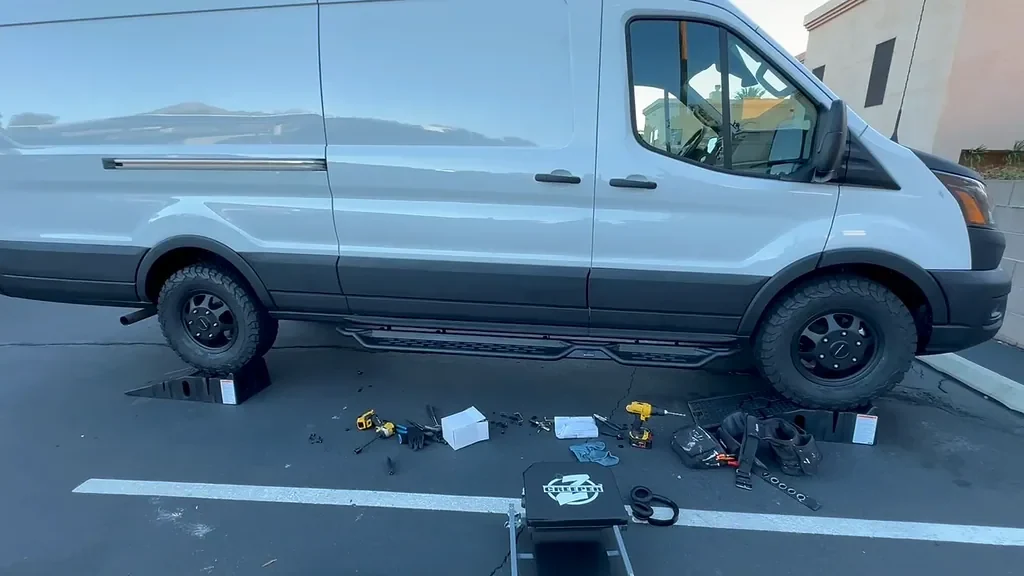
I would separate the immediate entry from the later reset. A wet item may need a temporary location before it can return to normal storage. If that stage is missing, the nearest seat or bed tends to become the default. Giving the stage a place keeps the rest of the day easier to understand.
I would repeat the sequence while carrying something. Returning with groceries or a day bag changes the hand movements and available space. A routine that works with empty hands may need another landing position during an ordinary stop. The rehearsal should reflect that rather than the cleanest possible arrival.
Give Wet Footwear A Named Position
I would decide where footwear is placed when it comes in, how it is reached for the next outing and what happens before it returns to ordinary storage. Those are three stages of one task. A container can help organize them only when its position works with the entrance.
I would check the occupied footprint with the aisle in use. Footwear placed temporarily beside the door may become an obstacle during cooking or moving toward the bed. The useful solution should account for the hours after arrival, not just the moment the shoes come off.
I would also consider the item used to carry dirt or moisture away from the living area. Where does that item go afterward, and how is it reset? The routine is more complete when the cleaning step has an endpoint. Otherwise, the cleanup materials become the next group left without a place.
Separate Wet, Used And Ready Clothing
I would distinguish clothing ready to wear from clothing waiting for another action. That action might be cleaning, drying or a decision to use it again. Mixing those states in one compartment makes it harder to see what is actually available the next morning.
The distinction does not need an elaborate labeling system. A few predictable locations may be enough. The important part is that each position has a purpose and does not silently become overflow storage for unrelated belongings. A temporary area should remain available for the next return from outside.
I would keep the arrangement tied to the actual clothes carried and the conditions of the trip. I would not promise a drying time from a photograph or assume a particular location solves every wet-item problem. The planning task is to provide an observable sequence and improve it from real use.
Keep The Bed Out Of The Sorting Routine
The bed is an easy place to put incoming items because it offers a large surface. I would make a different plan for wet belongings and bags so that the sleeping arrangement remains ready when it is needed. This is especially useful when arrival happens late or the day has already involved several transitions.
I would identify a landing area whose normal job can pause briefly without blocking the next activity. A counter, a designated container or another surface may work depending on the layout. The choice needs checking with the actual load, not simply naming whichever surface looks empty in a photograph.
Then I would define the clear-away step. The landing area should return to its ordinary function after the incoming items reach their next positions. A named temporary surface is useful only when temporary has a real endpoint. Otherwise, it becomes another permanent pile competing with the living space.
Plan Food Preparation For An Indoor Day
I would choose meals that fit the available workspace and the way I intend to use the van in that weather. The point is to check the complete preparation and cleanup sequence indoors, including supplies that may normally be retrieved from outside-access storage.
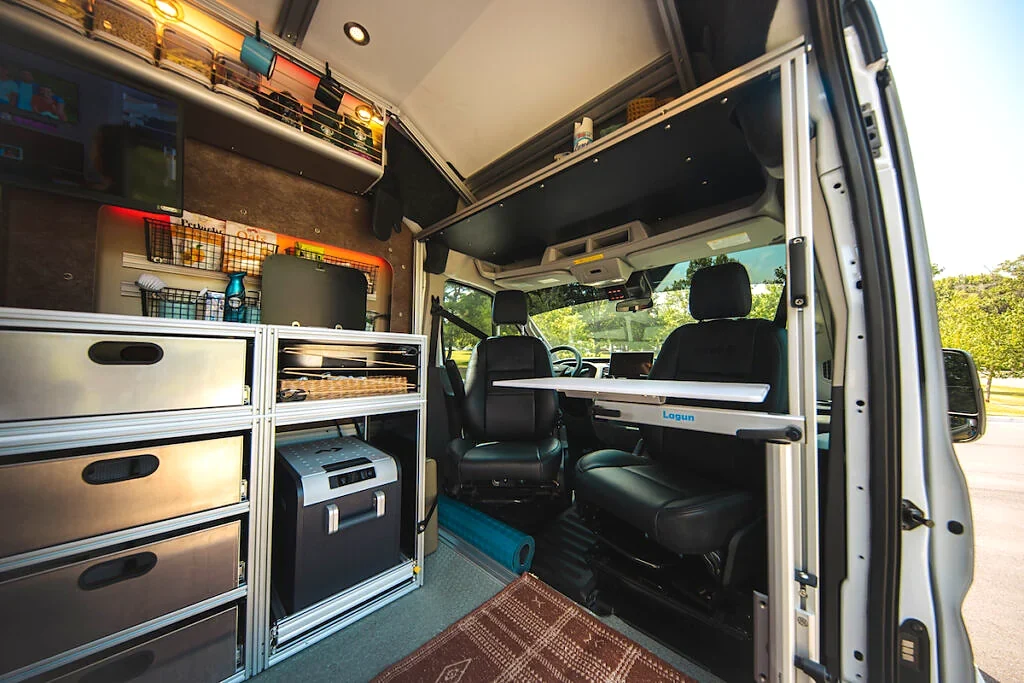
My galley workflow guide follows ingredients, utensils and openings through a meal. For the rainy-day version, I would add the used clothing and incoming gear to the same drawing. That shows whether a drawer, oven door or standing position is competing with the temporary wet-item area.
I would also check what happens after the meal. Dishes, packaging and the cleared work surface need their normal routes even when outdoor sorting is unavailable. A simpler meal may be a useful operational choice, but the cleanup still belongs in the plan rather than being deferred indefinitely.
Check The Aisle With Everything In Use
I would put the van into a representative indoor state: someone seated, the meal or work area operating and returned belongings in their temporary positions. Then I would follow the route between entrance, kitchen and sleeping area. The aisle needs to be evaluated as occupied space changes.
The useful observations are specific. An open compartment may compete with the position needed to move past the seated area. A temporary bag may block the route to a daily item. Naming those relationships gives the next change a purpose and avoids the vague conclusion that the whole van is too small.
The wheel-well and usable-space guide supports the wider layout check. Here, I would focus on the weather-dependent state rather than repeat the complete measurement exercise. The output is a set of operations that remain workable with the ordinary indoor load.
Give Indoor Leisure Its Own Arrangement
An indoor day needs more than somewhere to wait for the weather to change. I would identify the activities I actually want to do and put their belongings into the plan. Reading, watching something or using the computer can each create a different surface and storage arrangement.
I would check the changeover from that activity to the next meal or bedtime. If leisure equipment uses a shared surface, it needs a clear pack-away location. A bag placed on the bed may solve the daytime setup while creating work later. The whole sequence should be visible.
I would keep the arrangement modest enough to restore easily. The aim is an enjoyable day with fewer repeated decisions, not fitting every possible hobby into the same afternoon. A small ready group that can be reached and put away predictably may serve the day better than a larger collection spread around the van.
Make Work And Rest Compatible
When the computer area is in use, I would check which other activities can continue around it. The documented presence of a work area does not establish that every rainy-day task fits alongside it. The actual equipment, open storage and movement need to be represented together.
I would identify work that requires a fixed period and activities that can move in time. That allows a practical schedule without assigning the whole interior permanently to one task. A call, meal and quiet rest period may be easier to coordinate than to support simultaneously.
I would also use a visible end-of-work reset. Returning loose items and restoring the shared surface makes the next part of the day possible. The wet-day plan should include that operation, because fewer outside options make unresolved indoor setup more noticeable.
Keep Routine Checks Observable
I would make a short record of what is happening inside rather than assume that a particular arrangement produces a particular result. If a window, surface or stored item needs attention, I would describe the observed condition and the actual action taken.
For vehicle climate controls, I would use the documentation matching the actual van rather than borrow a setting from another model year. I would keep the vehicle-control setup in its own record, with the model-specific instructions and the arrangement actually used. That leaves the daily note focused on the observed condition, the action taken and the next layout question to resolve.
The distinction matters for the notes. “The entry area was occupied by wet gear during dinner” is useful layout evidence. A claim about humidity reduction or drying performance requires its own measurement and setup record. Keeping the observation precise makes the next decision clearer without adding unsupported promises to the story.
Plan The Next Outing Before The Items Are Needed
I would identify which belongings need to be ready for the next return outside. A coat, footwear or bag may still be in an intermediate state. The morning routine should account for that instead of assuming everything in the van is ready for immediate use.
I would put the next-use group where it can be reached without disturbing the sleeping arrangement or unpacking the kitchen. This connects the end of one outing to the beginning of the next. A location that works only after the whole van is restored may be inconvenient during an early departure.
I would also decide what changes if the conditions continue. That could involve a different activity, another facility or revising the trip plan. The National Park Service's trip-planning information provides a starting point for checking current destination conditions. The actual decision belongs to the destination and the day.
Keep Supplies Reachable During The Wet-Day State
I would check the everyday supplies with the temporary gear area occupied. Cleaning items, clothing and food should remain accessible at the time they are used. A storage location that works during fair weather may become awkward when the entrance holds another group of belongings.
The storage-zone guide explains how I connect contents to their use locations. For this weather state, I would add the intermediate items and their next actions. That may reveal a need to move one frequently used group rather than add another compartment.
I would preserve the distinction between extra capacity and better access. A larger container does not solve a problem caused by placing it behind something that must remain undisturbed. The rainy-day rehearsal should identify the particular opening and sequence that cause the repeated inconvenience.
Define A Reset Before Travel
The transition from living to travel needs its own check after an indoor day. Loose belongings, temporary containers and items waiting for another action may be in different positions from the normal departure arrangement. I would follow the actual sequence rather than assume yesterday's packing card still matches.
I would give each intermediate item a travel destination. If it cannot return to its usual storage state yet, the alternative position should be deliberate. That keeps the temporary arrangement from depending on an unspecified spare corner that may already be used by another object.
I would finish the reset by checking the relevant openings and the next required supplies. The purpose is to leave the interior understandable for the following stop. A rushed departure can otherwise move the same unresolved pile from one surface to another without completing any part of the routine.
Work Through A Wet Arrival Example
For a planning example, I would imagine returning with a day bag, wet outer clothing and used footwear shortly before dinner. These are example conditions, not a diary account of a specific trip. I would place the actual items in the mockup and follow the arrival in order.
The bag reaches a landing area, footwear goes to its named position and clothing enters its waiting stage. Then I would begin the meal routine without clearing everything onto the bed. If that is not possible, the example has identified the relationship to change before repeating it.
After dinner, I would restore the shared surface and check the evening activity. The value of the example is that the whole sequence can be completed. It should not end with the arrival looking tidy while used items have simply moved somewhere that blocks the next part of the day.
Compare Two Arrangements With The Same Load
I would compare alternative wet-day arrangements using identical belongings and activities. Otherwise, a plan may look better simply because it leaves out a bag, a person or part of the cleanup. The comparison needs the same starting conditions to reveal the effect of the changed location or sequence.
I would record the movements required and the points where another activity must pause. I would not assign an invented score for comfort or efficiency. A clear description of what moves, what stays available and what remains unresolved is enough to guide a useful choice.
Then I would choose the arrangement worth trying in ordinary use. The mockup can reveal obvious conflicts, while an actual day can show which smaller details matter. I would preserve both kinds of evidence instead of treating a successful rehearsal as a measured result under every weather condition.
Turn Repeated Problems Into Small Changes
After use, I would look for the same inconvenience appearing more than once. A blocked towel location, an occupied aisle or a repeated bed-clearing task points to a practical change. The aim is to solve the recurring operation rather than redesign the interior because one afternoon felt cramped.
My build experience with removable storage is relevant here. A container's contents and handling matter as much as its ability to fit an opening. I would apply that lesson to the temporary wet-day group, selecting the location from the actual task rather than treating any empty compartment as equally suitable.
I would change one relationship and repeat the routine. That makes the effect easier to understand and preserves the parts that already work. A small revision can be a useful result: a clearer landing area, a different ready group or a more complete end-of-day reset.
Keep A Rainy-Day Card With The Trip Notes
My card would list the entry sequence, temporary item positions, indoor meal arrangement, leisure or work changeover and travel reset. Detailed drawings can stay linked elsewhere. The working card should be short enough to use when returning with belongings rather than needing a long read at the door.
I would add a small observation field for what needs changing. A useful note names the item, the task and the conflict. That gives the next revision an actual brief. General statements about needing more space can stay as impressions, but they should not be the only evidence for a build change.
The card should also identify which arrangements remain untested. That keeps the next trip's purpose clear without turning the public article into a claim of universal performance. A well-organized routine is something I can describe and improve; it does not require promises about how every van behaves.
Keep A Fair-Weather Reset In The Same Record
When the weather changes again, I would restore the ordinary arrangement deliberately. Temporary wet-day positions may still hold belongings waiting for another action. I would check those items rather than simply move the containers out of sight and assume the interior has returned to its normal state.
I would follow each group to its endpoint: ready clothing back in its normal place, cleaning items reset and the landing area available for its usual job. If something still needs attention, it remains a named task. That keeps a temporary workaround from quietly becoming the permanent storage plan.
The reset also provides a useful comparison. Which extra movements were necessary only because outdoor space was unavailable? Which revealed an existing problem that happens in good weather too? Keeping those observations separate helps choose whether the next change belongs in the ordinary layout or only in the wet-day routine.
I would note which temporary arrangements were worth keeping ready for another use. A useful entrance group can stay organized without remaining spread across the interior. The goal is to make the next change of weather easier, while giving the normal day its space back.
I would finish with the next small trial rather than a broad redesign instruction. That might be repeating the entry with a shopping bag or checking the evening routine with the bed occupied. A specific rehearsal produces evidence I can act on and keeps the work connected to the problem that actually occurred.
I would keep the reset note available with the current packing card. That way, a temporary weather arrangement does not have to be reconstructed from memory on the next trip. The record connects the observed problem, the chosen location and the result of trying it again.
Questions About Indoor Days In A Camper Van
Should I Add More Storage For Bad Weather?
I would first follow the returned items through their complete sequence and identify the missing stage. The problem may be a temporary landing area or a ready-item location rather than total capacity. More storage helps when it answers a specific repeated task.
What Should Stay Clear?
I would identify the routes and surfaces needed for the next activities, then check them with the actual load in place. The answer comes from the layout and routine. A clear-looking photograph is less useful than completing entry, dinner and bedtime without repeatedly moving the same pile.
What Is The Main Takeaway?
I would design the rainy-day state as a complete version of the day. Incoming belongings need intermediate places, indoor activities need workable changeovers and travel needs a reset. When those steps are explicit, the next improvement becomes easier to choose and the van remains more usable during an ordinary change in weather.