Why I Bought It
I bought this Mini Duster from Amazon as a separate cleaning tool. It is the duster I compared with the one supplied in my AUTODECO kit.
My Experience With This Tool
By Steven Smith
I bought the California Car Duster Mini Duster separately from my AUTODECO kit. It has been an almost magical little duster for me: it kept picking up dust for a long time without my having to clean or maintain it.
I expected the duster in the AUTODECO kit to be similar, but it was nothing like this one. That kit's duster became dirty and just seemed to spread dirt around; the California Mini Duster was the one that kept collecting dust in my use.
Watch My California Mini Duster Review
Why I preferred the separately purchased California Mini Duster to the duster in my AUTODECO kit, with the exact product and two alternatives.
Read the Video Transcript
Hey, I’m Steve Smith with Camper Van Freedom. This is my California Car Duster Mini Duster. I bought it from Amazon separately from my AUTODECO detailing kit, and it was the duster that kept collecting dust in my use.
I described it as an almost magical little duster. It kept picking up dust for a long time without my having to clean or maintain it. That was what impressed me about this particular tool.
California Car Duster describes the Mini Duster as having wax-treated cotton strands. The compact head and handle make it a different format from a full-size exterior duster. You can see the exact Mini Duster in the product picture here.
I expected the duster included in my AUTODECO kit to be similar, but it was nothing like this one for me. The kit’s duster became dirty and seemed to spread dirt around. The California Mini Duster was the one that kept collecting dust in my experience.
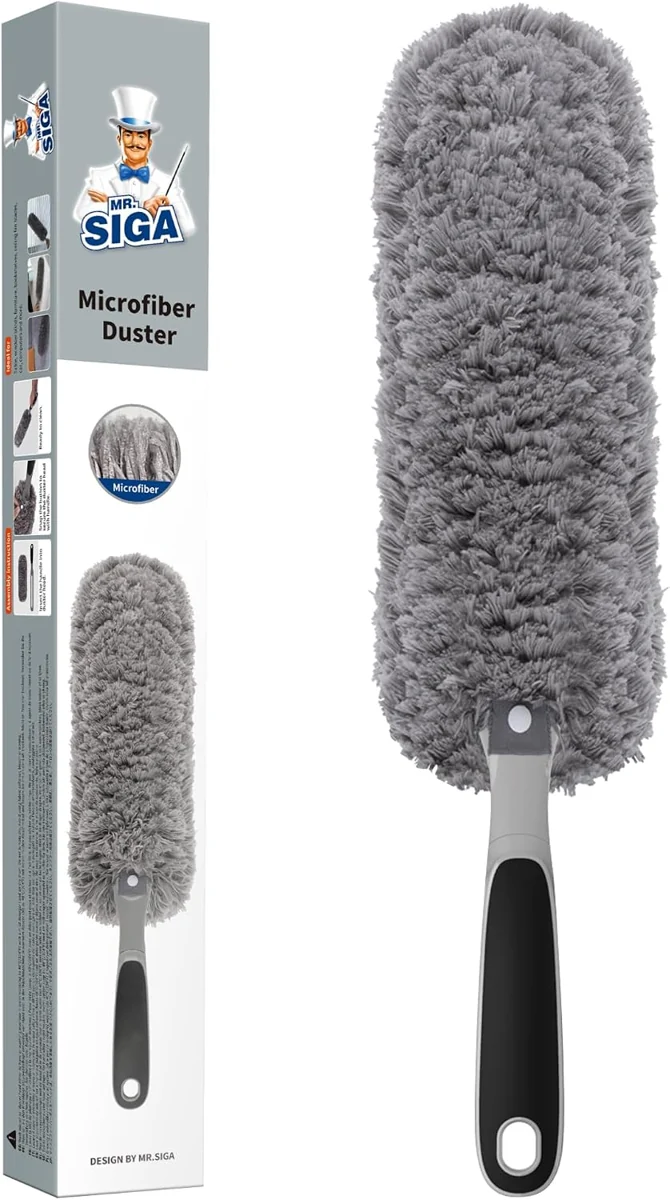
My full review also lists the MR. SIGA microfiber duster and the OXO Good Grips microfiber hand duster as alternatives to compare. Those are separate products, with their own pictures and product links on the page.
Thanks for watching. I’m Steve Smith with Camper Van Freedom. My takeaway is that this separately purchased California Mini Duster worked much better for me than the duster in the AUTODECO kit. Read the full review for my experience and the matching product options. See you on the next project.
Product Details
The manufacturer identifies model 62447 as the California Mini Duster, with wax-treated cotton strands and a plastic handle. Its compact mop is intended for light dusting in vehicle interiors and around the home.
Start With The Difference I Noticed Between Two Dusters
My California Mini Duster and the duster in my AUTODECO kit did not behave alike. The California tool continued collecting dust for a long time, while the kit's duster became dirty and seemed to spread dirt around. That comparison is the useful starting point for this dedicated review.
Keep the two products separate when assembling a cleaning kit. A soft head and a small handle can make different dusters appear to fill the same role in a photograph. The working result and the care routine still belong to the actual product.
For another van, begin with the dusting job that needs doing and the tools already available. If a larger assortment has an ineffective duster, it does not follow that every other piece in that kit is unhelpful. My AUTODECO hand brushes remained useful, while this separate California purchase supplied the dusting performance I preferred.
Identify The Exact Mini Duster Before Comparing Options
The product on this page is the California Car Duster 62447-8B Mini Duster, with the manufacturer's reference identifying model 62447. The primary card preserves the matching Amazon destination and photograph for that purchase identity. Keep that identity with any care information being used.
A full-size exterior duster, a compact mini duster and a removable microfiber hand duster can look related while occupying different amounts of space. Begin the comparison at the exact model rather than a general brand search or a photograph of another size.
This is useful when replacing an item that has become familiar in daily use. Record the model from the product or its retained reference before browsing alternatives. Then compare the current option with the actual tool's working envelope and format. That approach preserves my separate purchase history while making the researched alternatives on this page easier to assess as different products.
Decide Whether The Job Is Dusting Or Removing Residue
Light dust and attached residue present different cleaning tasks. Name the material on the surface before reaching for a tool. A quick dusting pass is not the same operation as scrubbing a mark, washing a panel or preparing an area for a new finish.
This distinction is especially useful during a van conversion because several kinds of cleanup can happen in the same small space. Loose construction material on the floor, dust on a reachable interior surface and residue from a finishing job should not automatically send every tool through the same routine.
My California review concerns the duster that kept collecting dust in my use. The broom, Holikme brushes and AUTODECO accessories have separate accounts describing their own jobs. Keep those roles recognizable when planning a cleanup so a favourable duster experience does not become an assumption that one small soft tool can perform the entire cleaning process.
Use The Published Dimensions To Check Access
The manufacturer lists an overall handle-and-mop length of twelve inches and a head measuring seven by five inches. Those dimensions help compare the compact format with the area to be reached. The existing product reference describes wax-treated cotton strands, rather than a removable microfiber head.
Use the dimensions as a starting point, then check the actual tool against the available space. The head needs an approach path and room to turn. A gap that appears wider than one dimension may still be awkward when the handle is held in the working position.
For a storage plan, include the complete item rather than just its handle. The same dimensions that help assess reach also help decide whether the duster can be retrieved conveniently. Keep the measurements tied to model 62447 so the comparison is not accidentally made with a different California duster pictured in a current retailer assortment.
Plan A Small Dusting Route Through The Fitted Interior
A fitted camper van can contain open surfaces, narrow spaces and items that need to be moved before cleaning. Establish a short route through the accessible areas rather than beginning wherever the duster happens to be stored. Keep the route practical enough to repeat.
Start with the actual layout and the surfaces' care information. Identify where loose objects will be placed temporarily and where collected debris will be dealt with. The duster should have room to approach the area without dragging through unrelated supplies or recently used cleaning equipment.
A route also makes an interrupted cleanup easier to resume. Finish one recognizable area before moving to the next, so the current state is visible after a pause. Adjust the route to the finished layout and the surfaces that are accessible. Keep the duster close to the part of the routine where it is useful.
Move Loose Objects Before Reaching Around Them
Small stored objects can hide dust and make a broad soft head difficult to position. Move a manageable group to a defined temporary spot before cleaning the accessible surface underneath. Keep the group together so returning it does not become a separate sorting job.
This is more deliberate than pushing the head around each object and assuming the narrow spaces have been reached. It also makes the result easier to see. Once the area is clear, the duster can be assessed against the actual surface rather than against a collection of obstacles.
For a compact van, the temporary spot matters. Avoid turning the next area in the cleaning route into an unorganized pile of items from the first one. A small tray or an already available clear surface can keep the sequence understandable. The useful objective is convenient access to the dusting area, not adding another permanent accessory simply to operate a hand duster.
Look At The Result From More Than One Angle
A surface can appear clear from one position while still showing material along an edge or beside a change in shape. After a dusting pass, view the area from another reachable angle before moving the loose objects back. The change in viewpoint often explains whether the head reached the intended area.
Keep the assessment about what can actually be seen. My review says the California Mini Duster continued collecting dust effectively for me, and that the AUTODECO duster seemed to move dirt around. Those observations describe different results, not merely different appearances of the tools themselves.
For another cleanup, use the visible result to decide whether the dusting stage is complete or whether a different task remains. A remaining attached mark should be identified as such rather than being treated as proof that another identical dusting pass is required. That keeps the tool's role clear within the larger cleaning routine.
Keep The Dusting Tool Out Of The Scrubbing Group
The California Mini Duster, a hand detail brush and a powered scrub brush are physically different tools with different working roles. Store them in a way that makes those roles easy to recognize. A duster should not become the place where residue from a more demanding cleaning stage is carried to the next surface.
My AUTODECO review provides a useful contrast. I liked the small red-collared hand brushes for corners and crevices, while the kit's duster disappointed me. Those observations support keeping both categories in the kit without expecting them to be interchangeable.
For organizing a work session, identify which tool has just been used and where it will rest before the next stage begins. Keep clean supplies apart from dirty working pieces. That simple separation matters more than putting every accessory from a purchased assortment back into the same bag immediately after each individual action.
Follow The California Care Routine Rather Than A Microfiber Routine
California Car Duster's product reference discourages washing until it is a last resort because washing can remove the treatment in the mop. It describes judging the tool by whether it lifts dust rather than washing it simply because the strands have become darker. The manufacturer's linked FAQ supplies further care information.
That is a different routine from the washable removable heads on the microfiber alternatives. Keep the care instructions with the exact tool, especially if several dusters share one storage location. Similar size does not make the same cleaning method appropriate for every head.
My own account is that this Mini Duster kept working for a long time without my having to clean or maintain it. The product reference adds the relevant care distinction, while the owner review supplies the experience. Use those together when deciding how the actual tool should be kept, instead of transferring a familiar cloth-washing routine to a different duster format.
Notice Changes In Pickup Rather Than Only Changes In Appearance
My favourable impression came from the way the Mini Duster continued picking up dust. That makes the working result an important part of checking the tool over time. Look at whether the dusting task is being completed, not only whether the head still resembles its original product photograph.
Keep that observation tied to the same kind of job. A different surface, attached residue or a crowded approach can change what is being asked of the tool. Identify those conditions before deciding that the duster itself has changed.
A brief note can be useful when comparing two tools already owned: which area was dusted, what remained and how convenient the handling was. That brief comparison keeps the useful result easy to remember when choosing the tool for the next session.
Store The Complete Duster Where It Can Be Retrieved
A compact cleaning tool is most useful when its storage location allows it to be taken out and returned without rearranging the surrounding equipment. Try the complete duster in the proposed location, including the head, before deciding that the handle alone fits.
Check the removal path with nearby doors, drawers and stored items in their normal positions. A narrow space can hold an object while still being inconvenient for repeated retrieval. Also keep the head from becoming the resting place for loose tools or unrelated dirty accessories.
This is a different storage question from the one in my full-size broom review. I left that long broom out of my travelling setup because of its length. The Mini Duster is another format to consider in a cleaning kit, but its own dimensions and access still need to be assessed rather than assuming that any small-looking tool will fit every available gap.
Keep The Separate Purchase Useful Beside The AUTODECO Kit
A mixed detailing kit and a separate specialist cleaning item can remain useful together. My experience does not require choosing one entire purchase and rejecting the other. The AUTODECO kit supplied hand brushes I valued, while the separately bought California Mini Duster supplied the dusting result I preferred.
Lay out the actual useful tools by job. One group might cover reachable light dust, another narrow brushed recesses and another collection of loose floor debris. Keep unused accessories identifiable until there is a defined task for them.
This makes the comparison more helpful than judging a kit from its total piece count. The specific weak component can be supplemented without rewriting the experience of the useful pieces. The linked AUTODECO review explains which hand brushes and other pieces I found useful alongside this separately purchased Mini Duster.
Compare The MR.SIGA Microfiber Format As An Alternative
The MR.SIGA card presents a microfiber hand duster with a removable head. That gives the comparison a different material and care format from the California tool. Keep the matching picture and exact destination with the option being considered rather than comparing it with an unspecified microfiber cloth.
Begin with the area that needs access and the storage arrangement. Compare the complete head and handle, how the product is intended to be used and how its care routine fits the existing cleaning supplies. A removable head is a feature with a role, not proof that it will produce the same result as another duster.
Compare the MR.SIGA head, handle and care arrangement with the space and cleaning routine. The California’s dust pickup in my use and the AUTODECO comparison remain the basis of my own buying takeaway.
Compare The OXO Head And Care Arrangement
The OXO Good Grips alternative uses a double-sided microfiber head with a slim profile. Its manufacturer describes a removable head that can be cold washed without fabric softener or bleach and dried without heat. The linked OXO reference belongs with that alternative's care process.
Compare that arrangement with the job and supplies already available. A head that can be removed for washing changes how the tool is maintained and stored after cleaning. It does not make the California care routine disappear or turn the products into the same format.
Keep the comparison focused on access, handling and the actual care arrangement. The two matching cards provide distinct alternatives, while my review records the California tool's long-lasting dust pickup in my use. Those differences give a concrete way to compare the tool and the care routine before buying.
Build A Compact Cleaning Kit Around Distinct Jobs
A travelling cleanup kit can be easier to organize when each retained item has a clear job. Start with the areas that remain accessible after the van is fitted out. Identify what needs light dusting, what needs collection of loose debris and what needs a more specific cleaning process.
Then compare that list with the tools already owned. The California Mini Duster can be assessed as a hand-dusting format, while the broom, vacuum and detail brushes have their separate working arrangements. Their dedicated reviews explain the different experiences that led me to keep or prefer particular items.
Avoid making the kit larger simply because every accessory once purchased is available. The useful decision is which tool makes the actual routine easier and has a practical storage place. My separate California purchase is an example of choosing a particular component for the result it gave me, rather than relying on the duster included in a broad assortment.
Make Repeated Cleanup Easy To Resume
A short, repeatable sequence is useful when cleaning happens between travel, small repairs or a larger build task. Keep the current area recognizable, return moved objects to their places and leave the tools in their defined storage positions. That gives the next session a clear starting point.
If an area needs another method, name that remaining task instead of continuing with the duster indefinitely. It may be a separate collection, wiping or residue-removal job. The distinction keeps the hand duster's performance connected to light-dust work and makes the wider cleanup more organized.
My owner review records a simple result that stood out: the California Mini Duster kept collecting dust while the kit duster did not work similarly for me. A repeatable routine preserves the usefulness of that result. The tool can be retrieved, used for its intended part of the cleanup and stored again without turning every short session into a search through the whole cleaning assortment.
Make The Choice From The Actual Product And The Actual Job
The reason this duster earned a dedicated review is the difference I experienced after buying it separately. It continued picking up dust for a long time without my having to clean or maintain it. That is the owner result to retain when comparing the three product cards.
For a new purchase, identify model and format, check the full working and storage envelope, read the exact care information and decide how the tool fits the existing routine. Keep the wax-treated cotton California format distinct from the removable microfiber alternatives.
The best comparison is specific enough to answer a real need in the van. It considers the area to be reached, the items that must be moved and the place where the duster will be stored between uses. That approach makes my experience useful without treating every soft cleaning head as an equivalent product or expanding one successful dusting tool into a claim about every cleaning job.
Trial The Storage Space With A Simple Full-Size Outline
When the storage space is difficult to reach, mark the listed overall length and head outline on a spare piece of card. Use that temporary outline to compare possible locations before moving the actual cleaning supplies. Keep the head width visible rather than reducing the check to a thin strip representing only the handle.
Try the outline through the same approach and removal path the duster would follow. Then confirm the proposed location with the complete tool. The outline can identify an obvious obstruction quickly, while the actual head shows how the flexible working part occupies the space. This is particularly useful beside a drawer or behind a storage door, where the opening can be smaller than the space beyond it.
Once a location works, keep the surrounding items arranged so the same retrieval path remains available. A compact cleaning tool earns its storage space through convenient use, not only by fitting into an unused gap once.