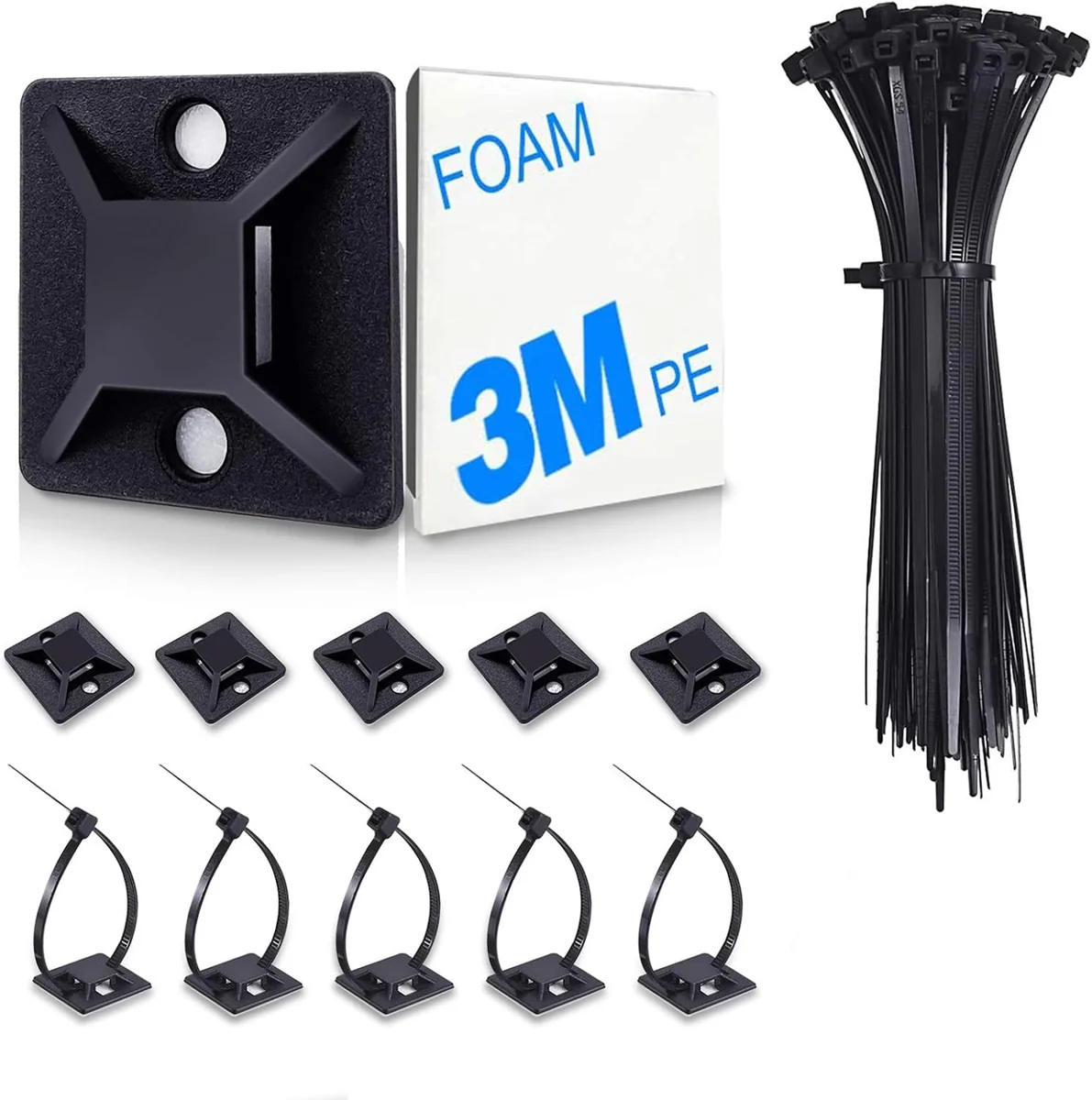
The roof wiring brought several local cable groups toward a shared conduit entry. These saddle bases belong to my purchased routing supplies for creating attachment points along a cable path.
I bought Saddle Cable-Tie Mounts as part of my camper van equipment.
The roof wiring brought several local cable groups toward a shared conduit entry. These saddle bases belong to my purchased routing supplies for creating attachment points along a cable path.
Bringing Local Wire Groups Toward the Roof Conduit
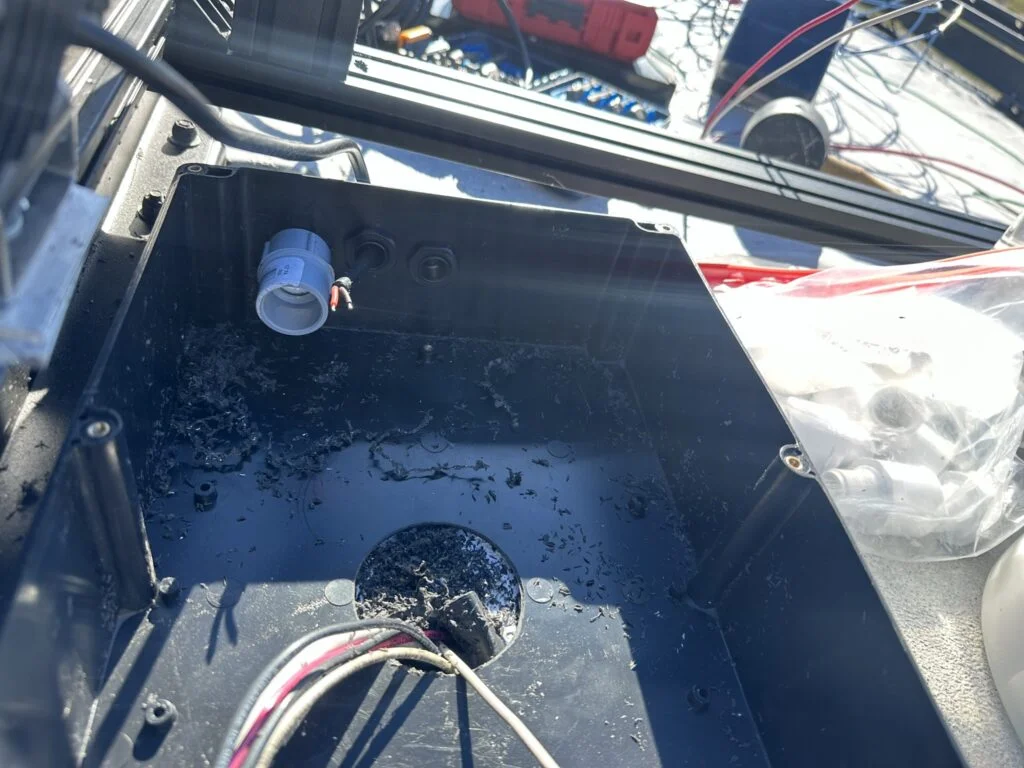
I routed the roof-light and camera wiring through boxes, glands and PVC conduit sections.
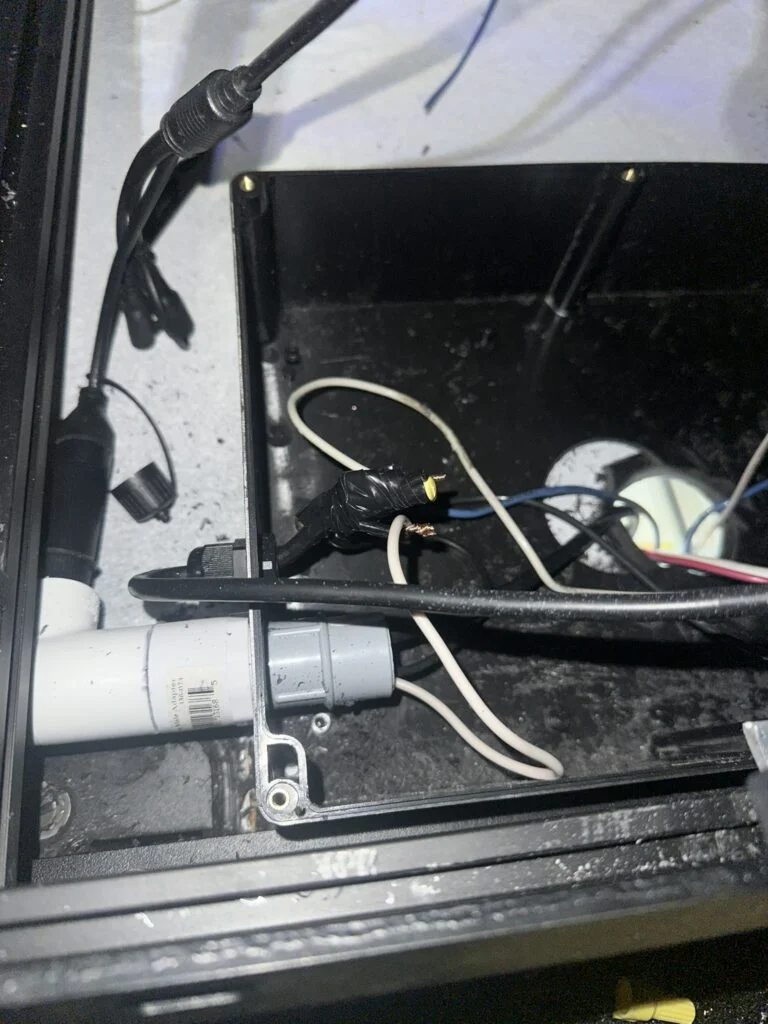
I fitted a camera cable through a gland into a tee and brought light-wire groups toward the van entry.
My routing purchases included saddle bases that anchor a separate cable tie to a surface with screws.
A grouped roof-wire connection before the final conduit work.The larger roof enclosure during my cable-entry work.
My Takeaway from This Job
The cable path developed a section at a time, from local connections into the shared conduit. For the mounting supplies, the choice is a separate screw-mounted saddle, an adhesive-backed base, or a tie with its own screw-mounting eye.
Compare the surface anchor separately from the tie around the bundle.
Product Details And Van-Build Uses
Specification
Product Detail
Mounting
Screw-mounted base
Tie Path
Slots through the saddle
Function
Locates a tied bundle
A saddle mount adds a fixed anchor where a cable tie alone would only close around the wires. Mark the screw location and tie direction on the mounting surface before arranging the bundle. That helps keep the anchor aligned with the route and leaves the tie head accessible during assembly. In a van cabinet or electrical-board project, the base position can also define where a bundle turns or separates into individual device leads.
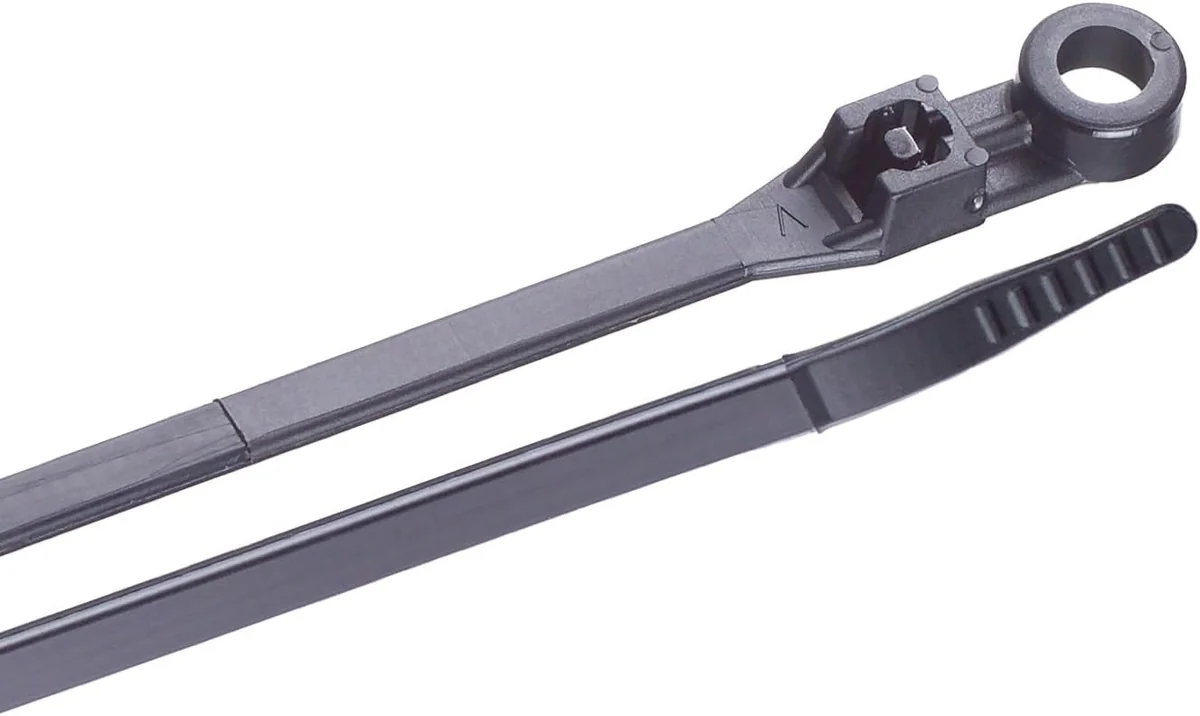
These Gardner Bender ties include a screw-mounting eye beside the locking head. The integrated eye joins bundle retention and surface attachment in one tie.