This antenna is one of my communications-equipment purchases. My roof diary records the broader work of arranging equipment, mounts and cable routes together on the limited roof area.
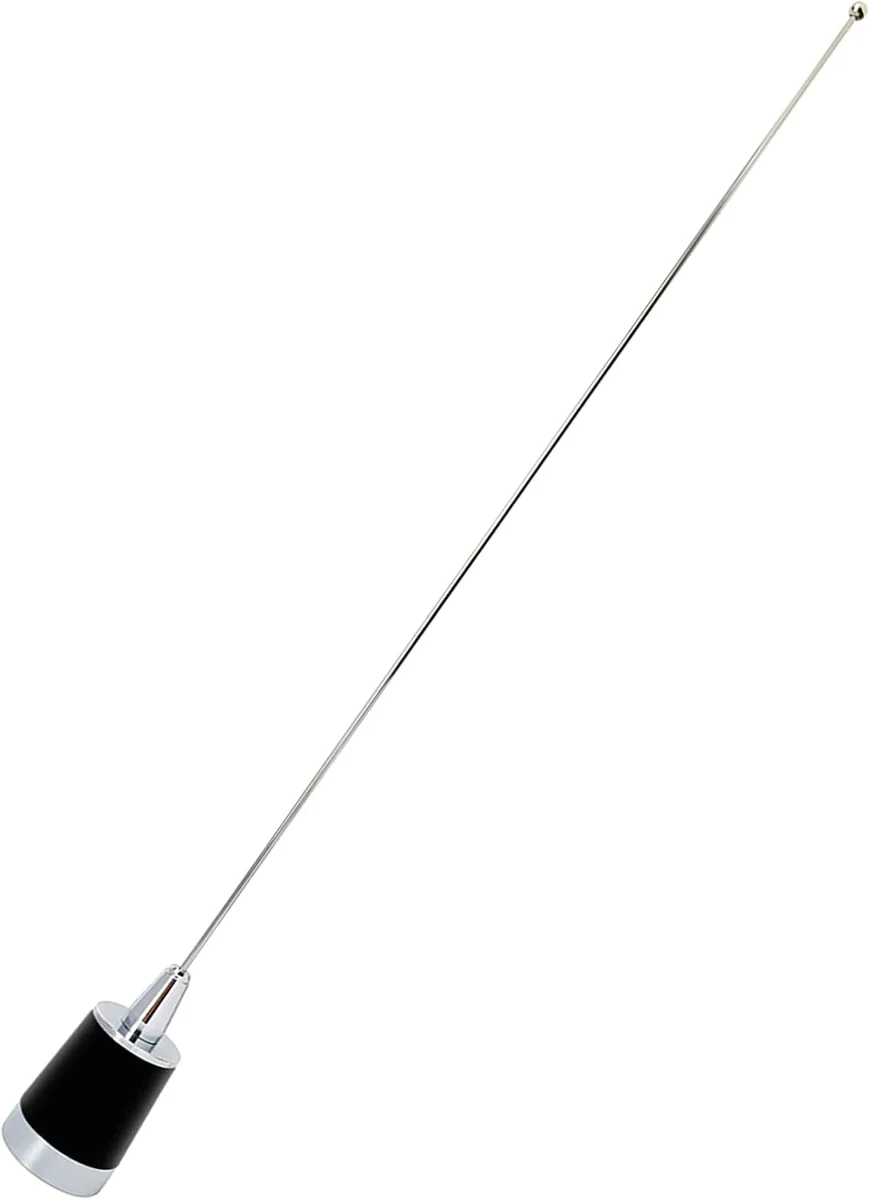
I bought TWAYRDIO NMO Dual-Band Antenna as part of my camper van equipment.
This antenna is one of my communications-equipment purchases. My roof diary records the broader work of arranging equipment, mounts and cable routes together on the limited roof area.
An Antenna Interface in the Roof Layout
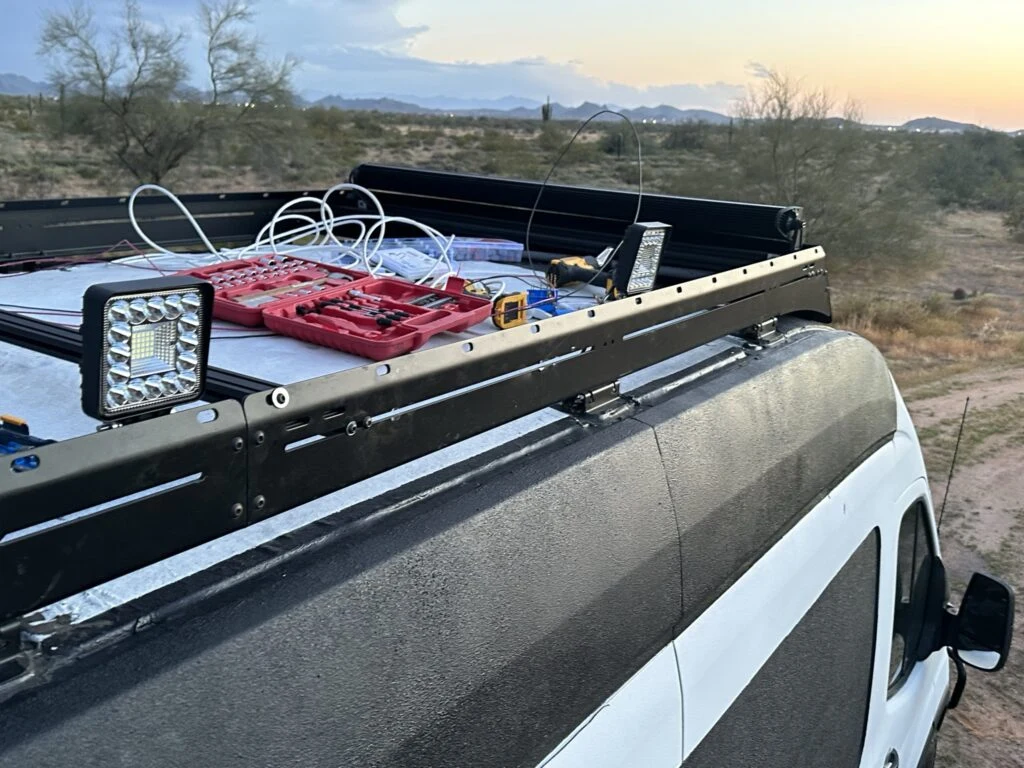
I moved the rack cross beams to suit the solar-panel length and added 2020 extrusion above the rack.
I brought two solar panels onto the roof for fitting.
I arranged junction boxes, cable glands, power leads and Ethernet routes alongside the mounting work.
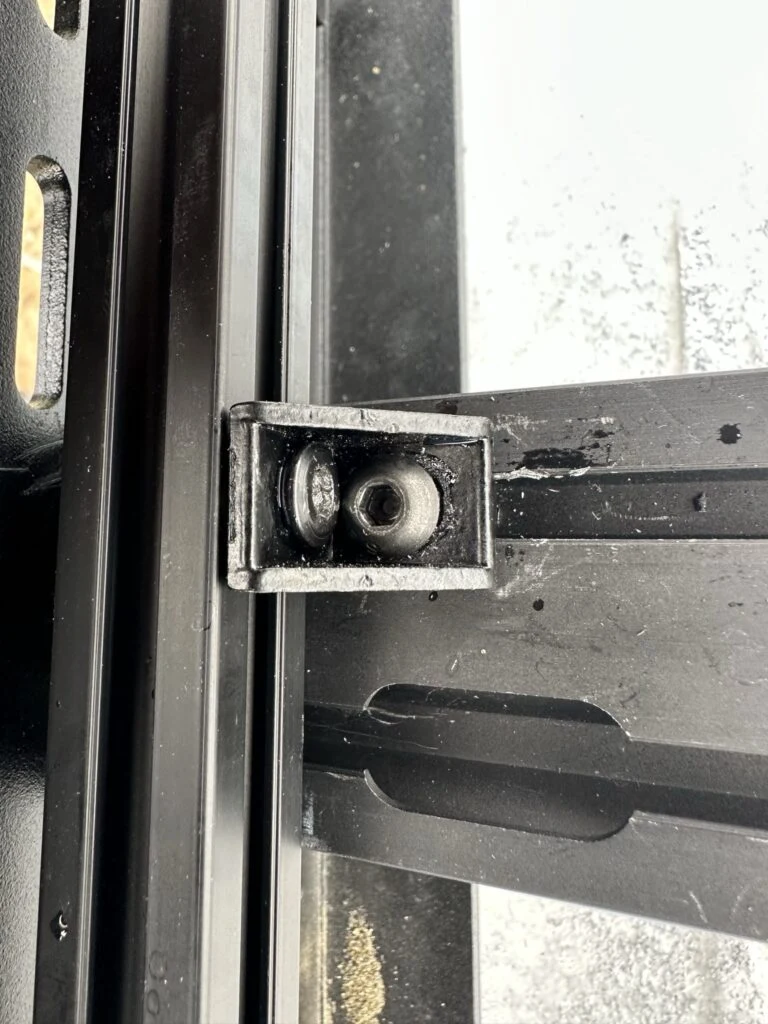
Lights, cables and tools laid out during my roof work.Rack extrusion and mounting hardware during the fitting stage.
My Takeaway for the Build
Moving the rack cross beams and fitting the solar panels showed how each roof component needs its own position. My TWAYRDIO purchase uses an NMO base. Tram retains that mounting interface, while Bingfu changes to PL259, making the mount connection a concrete distinction before comparing antenna shapes.
Product Details And Van-Build Uses
Specification
Product Detail
Mount
NMO connection
Type
Mobile dual-band antenna
Bands
VHF and UHF radio use
The antenna element, its NMO mounting connection and the coax route are separate pieces of a roof-radio layout. Identify the mount position before planning where the cable enters the van. The cable-end connector at the radio is another detail to record rather than assuming it from the antenna base. Keeping those parts together in the equipment notes makes the selected mobile antenna easier to distinguish from Wi-Fi camera hardware and other roof-mounted devices.
It identifies the antenna mounting connection. Record the connector at the radio end of the cable separately.
Alternative products
Two Alternatives to Compare
The Bingfu alternative uses a PL259 connector format. The Tram 1180 retains an NMO connection, making the antenna's mounting interface a central distinction in the comparison.