I had to undo bolts I had already tightened because the roof-rack T-nuts could only slide in through an opening. That made hardware insertion a real part of planning the light-bar assembly.
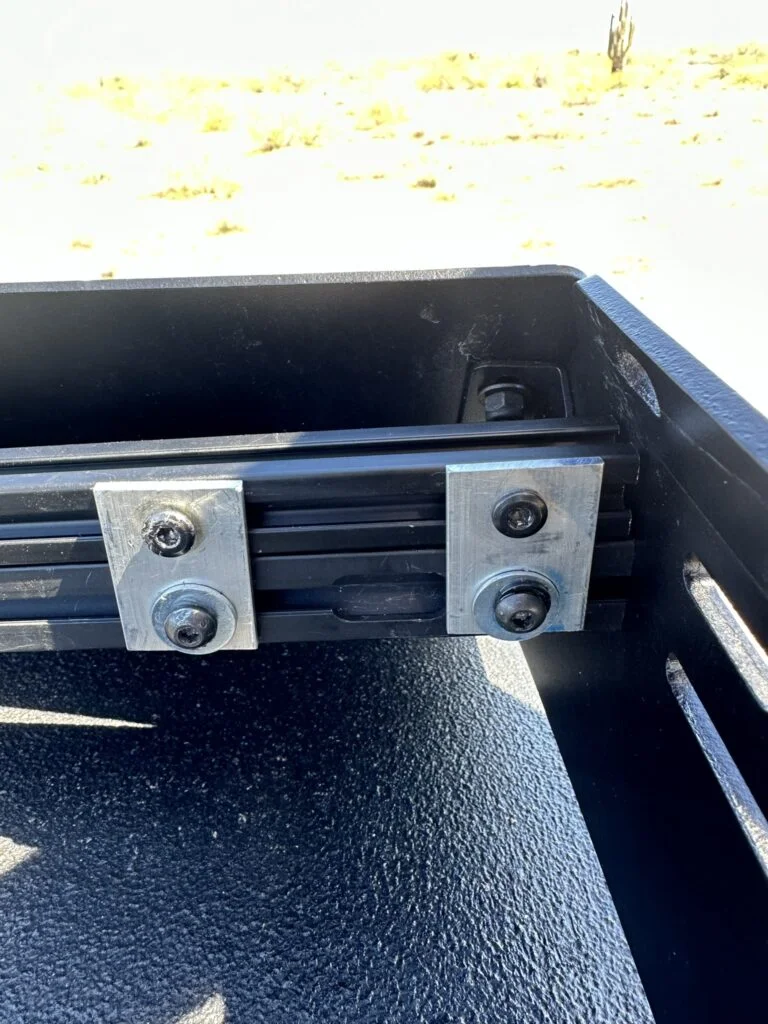
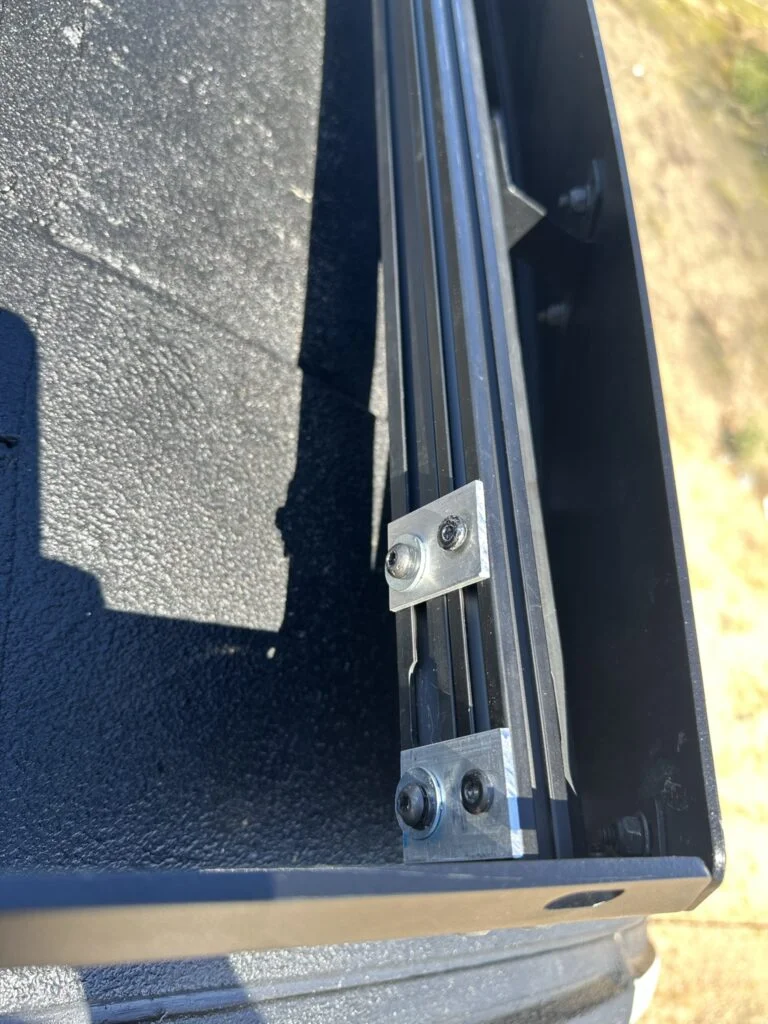
The drilled connectors and hardware joining my added extrusion to the rack.
Why I bought it
The light-bar mount joined added 2020 extrusion to the existing rack. Each profile needed its own nuts and bolts, with quarter-twenty hardware on the rack side.
The slide-in nuts were included in my materials for that work. Unlike the small nuts in the added extrusion, the rack nuts could not simply be dropped into the slot.
How I used it in my camper van
I joined the two extrusion profiles with three short drilled connectors. When I needed another rack T-nut, I discovered that it had to slide in from a wide opening on one side of the extrusion.
I undid bolts I had previously tightened so I could insert the next nut. Once it was in the channel, I found it easy to bolt into. The small 2020 nuts presented the opposite problem: insertion was easier, but they moved and spun during bolt starting.
The two extrusion profiles fitted together in the light-bar mounting assembly.
My review
The frustration was the sequence, rather than turning the bolt once the nut was positioned. A missing nut sent me back through already assembled hardware.
This was one of the useful differences between the two extrusion systems in my build. The slot hardware affected how I put the parts together, even though both sides of the connector looked simple in the finished mount.
I learned to account for the next nut before tightening the hardware that blocked its insertion path.
Alternative products
Two alternatives to compare
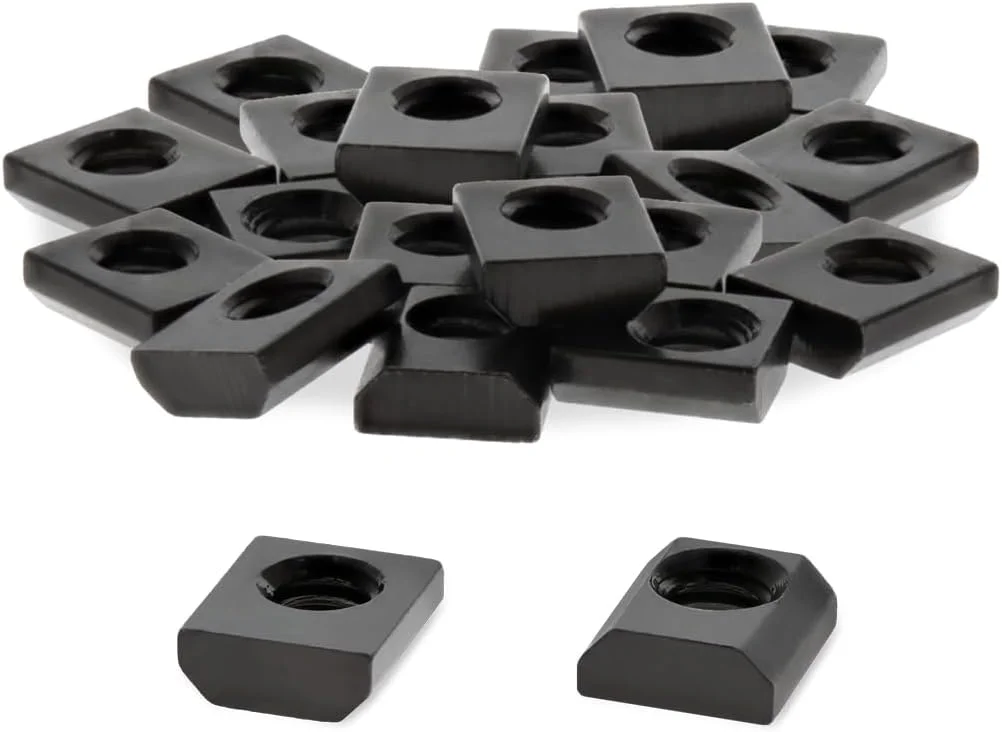
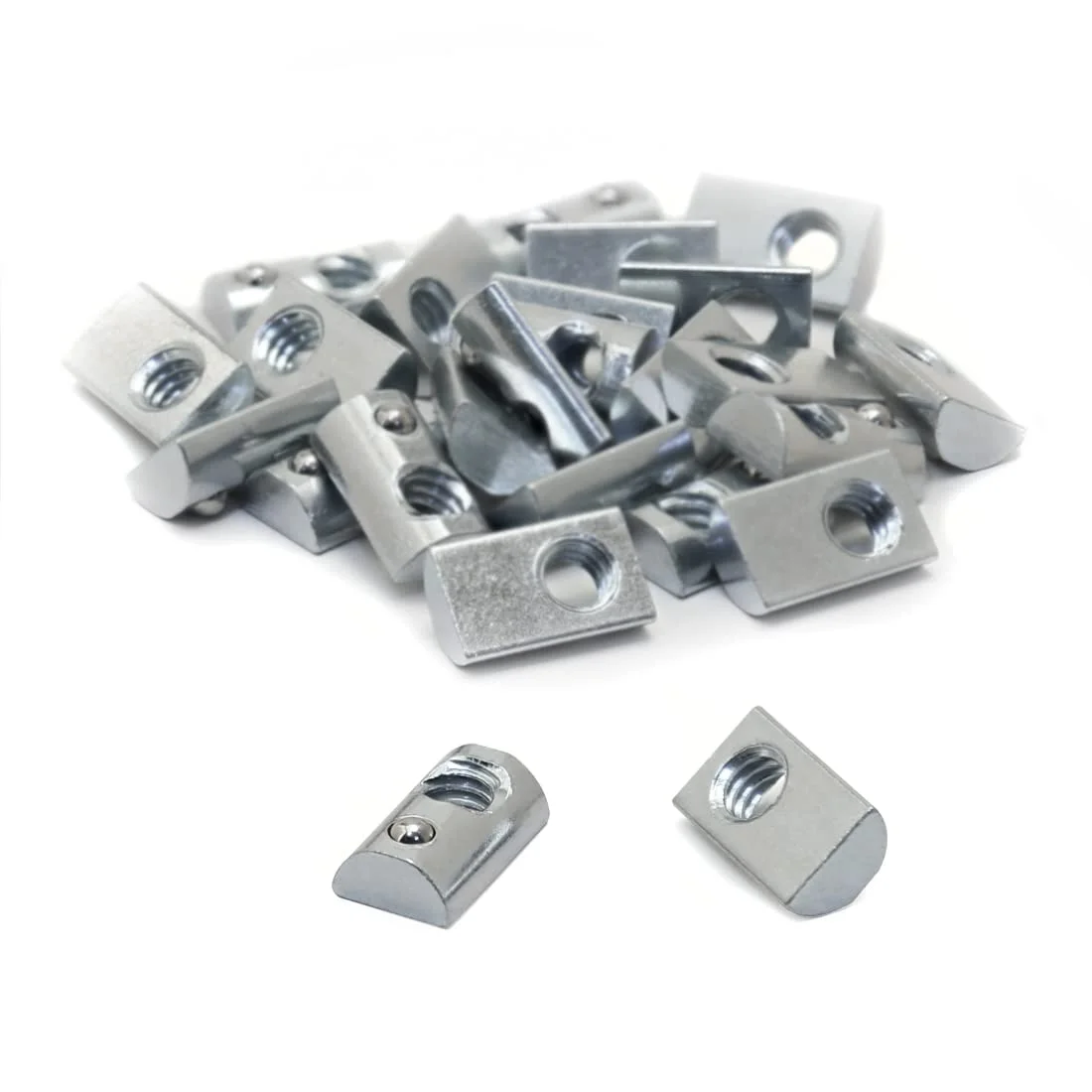
The 80/20 3204 uses a standard slide-in shape; the 3923 uses a roll-in shape with a ball spring. Insertion method is the useful distinction here. My experience with reopening the assembly explains why access to the slot matters when choosing the hardware format.
80/20 3204 Slide-In T-Nuts
These quarter-twenty steel nuts use a slide-in profile for 10-series extrusion. Their threaded openings provide attachment points inside the slot.
These quarter-twenty steel T-nuts use a roll-in profile with a ball spring. Their rounded shape provides another insertion arrangement for 10-series extrusion slots.