Small hinges appear among my interior-hardware purchases.
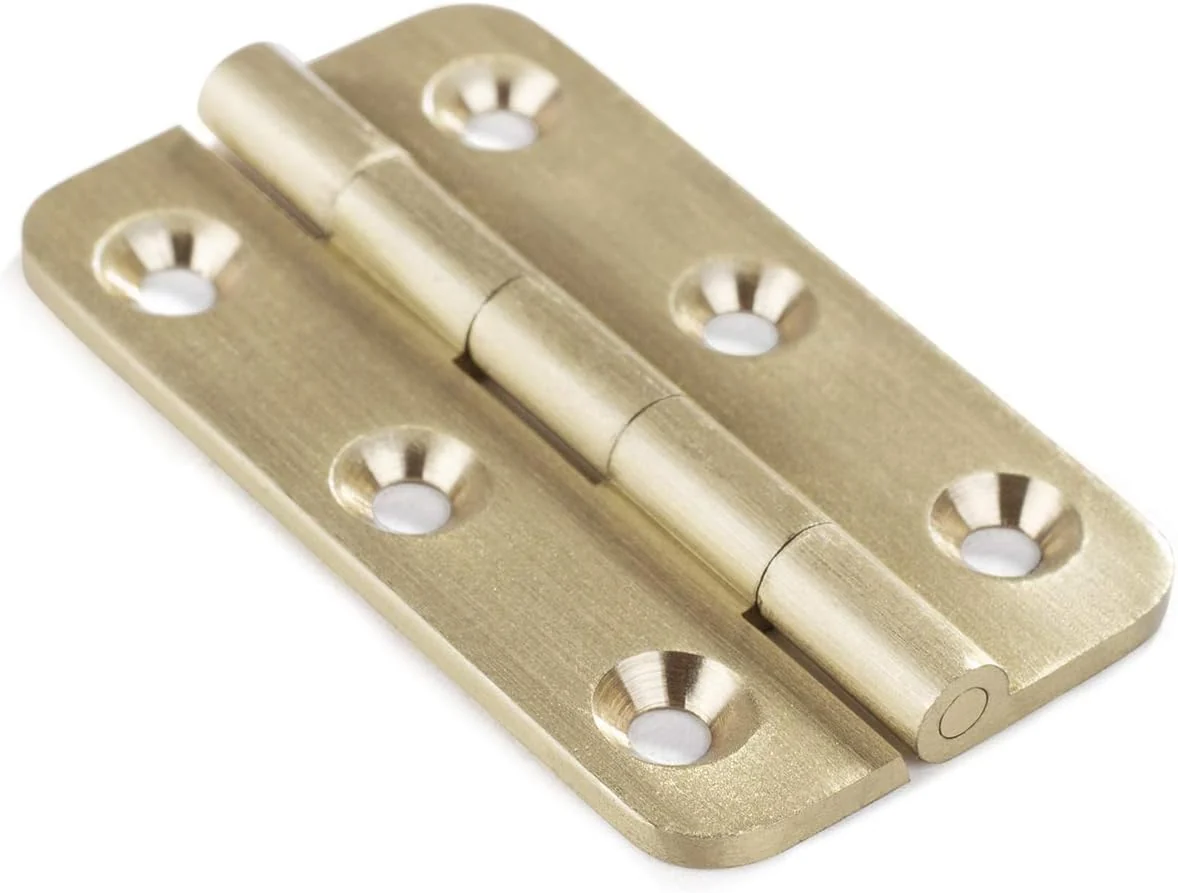
The featured Amazon option is Keenkee Brass Butt Hinges.
Leaf Shape on a Small Hinged Panel
I planned the storage assembly and simulated the roof dimensions on the patio.
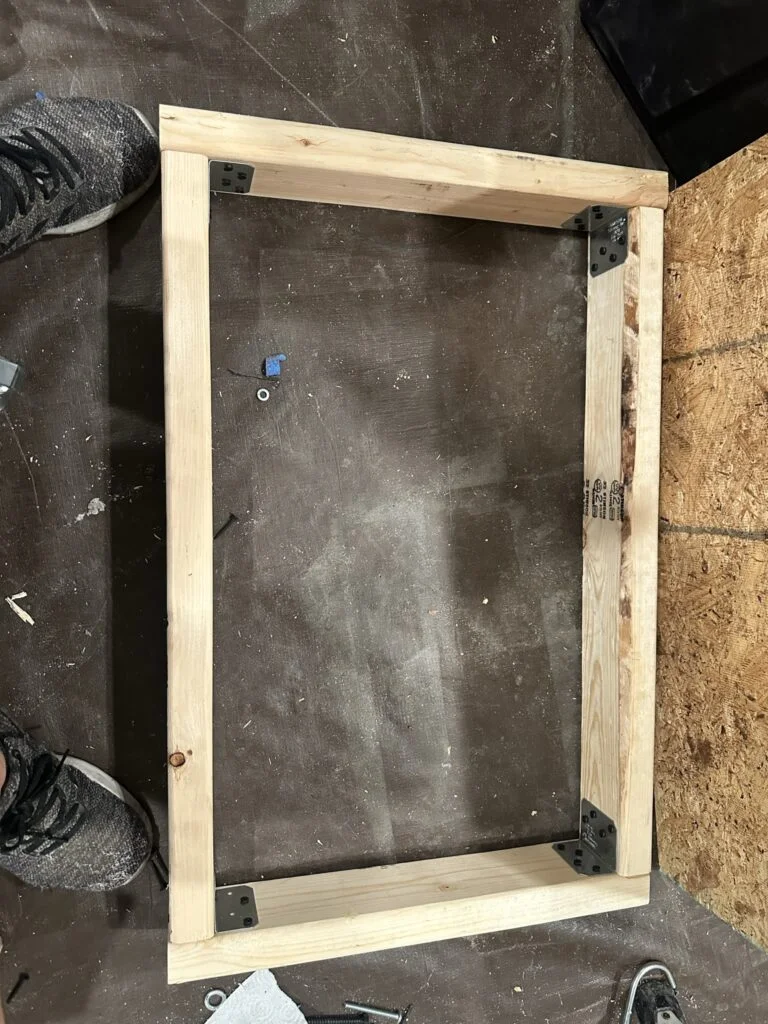
I built the timber drawer frame and base, then cut the rubber lining with scissors.
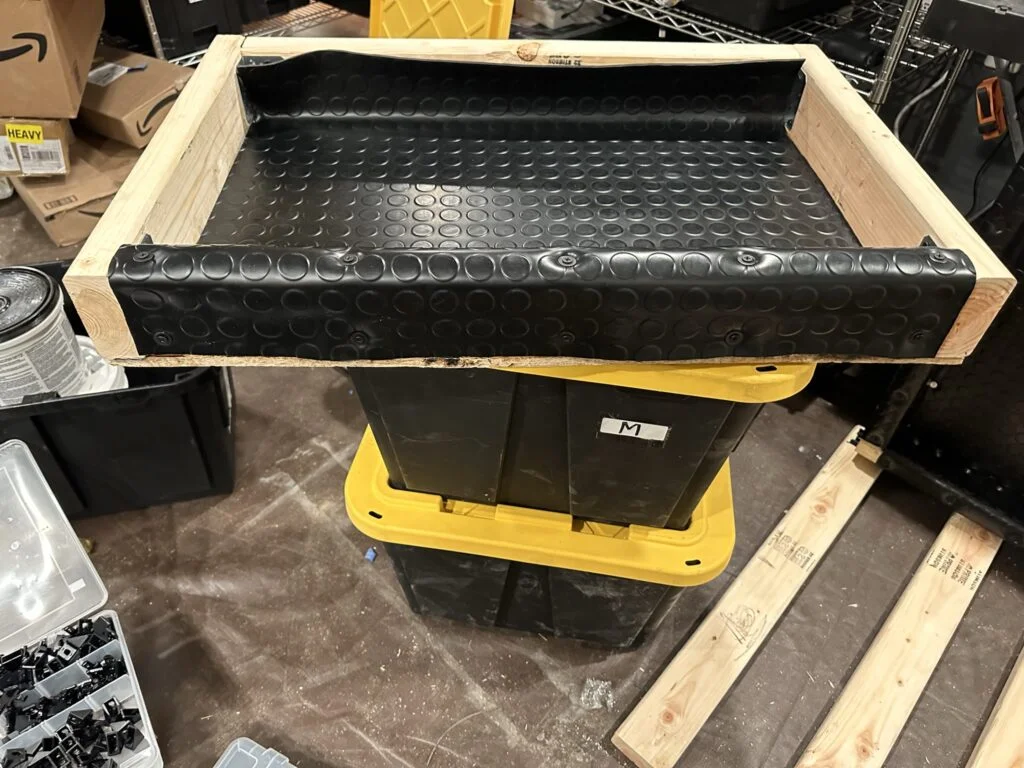
I fitted the lining with adhesive, screws and washers before attaching the slides to the drawer and cabinet.
The measured timber drawer frame on my patio.The drawer after I fitted its rubber lining.
My Takeaway for the Build
Building the storage assembly made the junction between moving hardware and its frame important. The small-hinge purchase leads to brass, white and black options with their own leaf dimensions and screw layouts. The visible finish is one choice, while the space needed for each leaf is another.
Product Details And Van-Build Uses
Specification
Product Detail
Current Option
Keenkee brass butt hinges
Nominal Size
2 inches
A butt hinge uses two leaves rotating around a central pin. For a small cabinet door or storage-box lid, hinge placement depends on the leaf width, screw positions and clearance around the pivot. Lay out both leaves with the door in its closed position before marking holes. The hinge barrel needs room to turn without the door edge binding. A cardboard layout or loose assembly helps compare the opening arc with nearby trim, handles and furniture.
Check the closed gap and opening arc together. Keep the pivot clear of adjoining trim and place the screw holes where the door and frame provide usable fastening material.
Alternative products
Two Alternatives to Compare
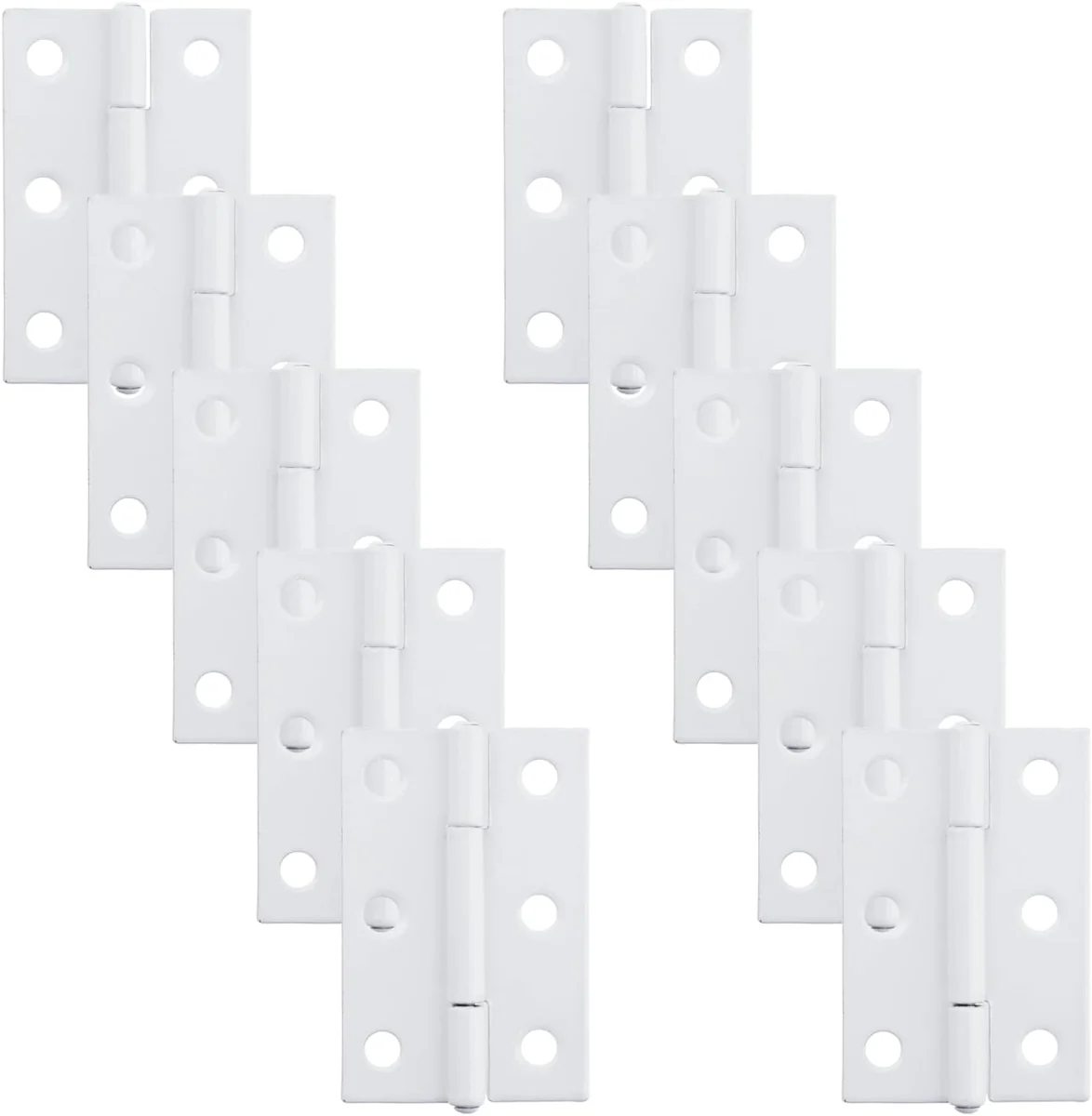
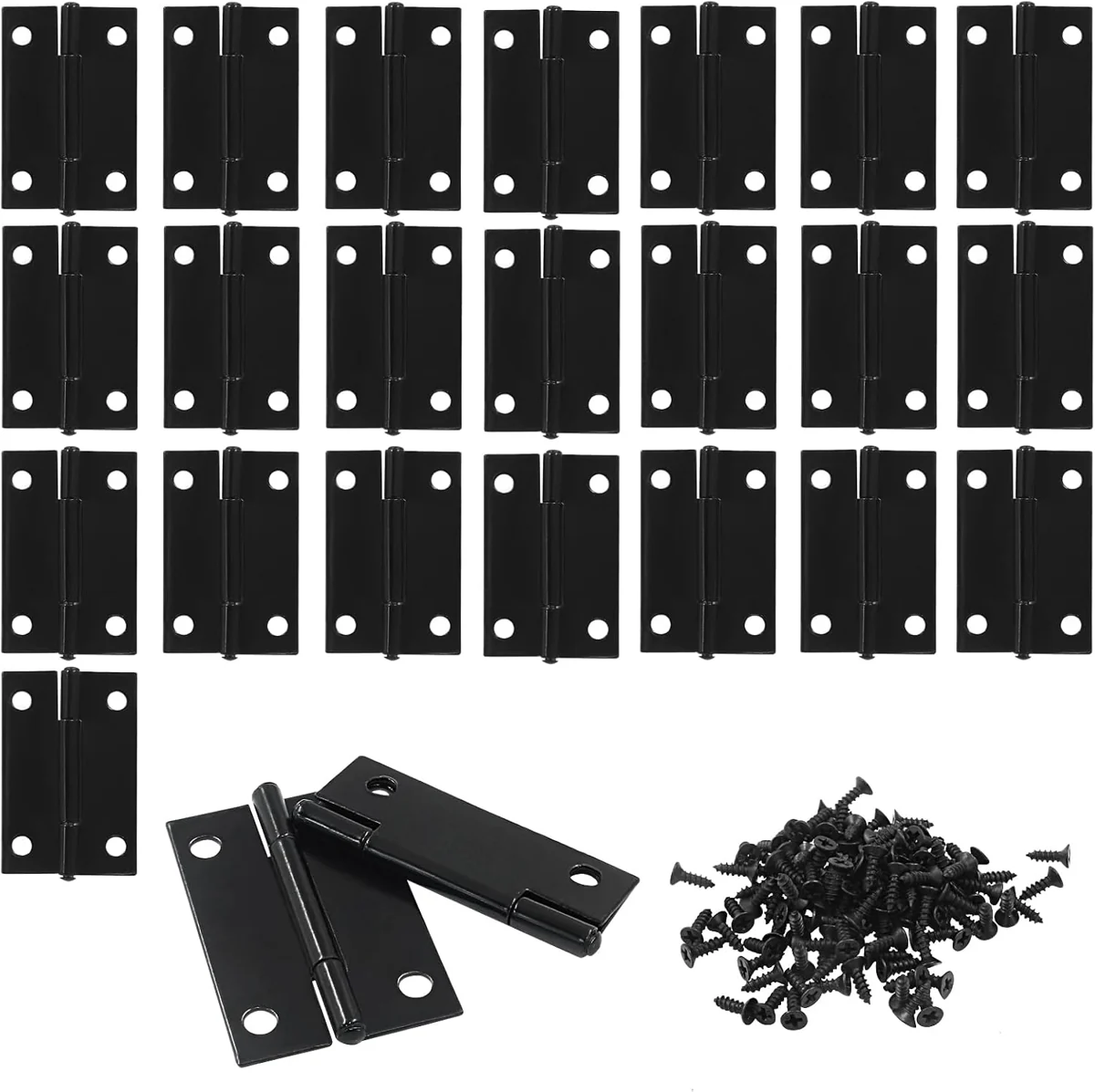
Keenkee uses brass butt hinges, while Tulead and Murtenze provide white and black hinge options. Their sizes, finishes and mounting-hole layouts offer different starting points for a small hinged panel.
These white Tulead butt hinges join two leaves around a central pin. Screw holes in the leaves provide a surface attachment for small doors and box parts.