My roof-camera mounts involved cutting, drilling and fitting brackets around the equipment. These offset brackets are another purchased mounting form, with a different geometry from a flat plate or simple angle.
I bought Steel Z-Shaped Mounting Brackets as part of my camper van equipment.
My roof-camera mounts involved cutting, drilling and fitting brackets around the equipment. These offset brackets are another purchased mounting form, with a different geometry from a flat plate or simple angle.
Comparing an Offset Connection with a Right-Angle Corner
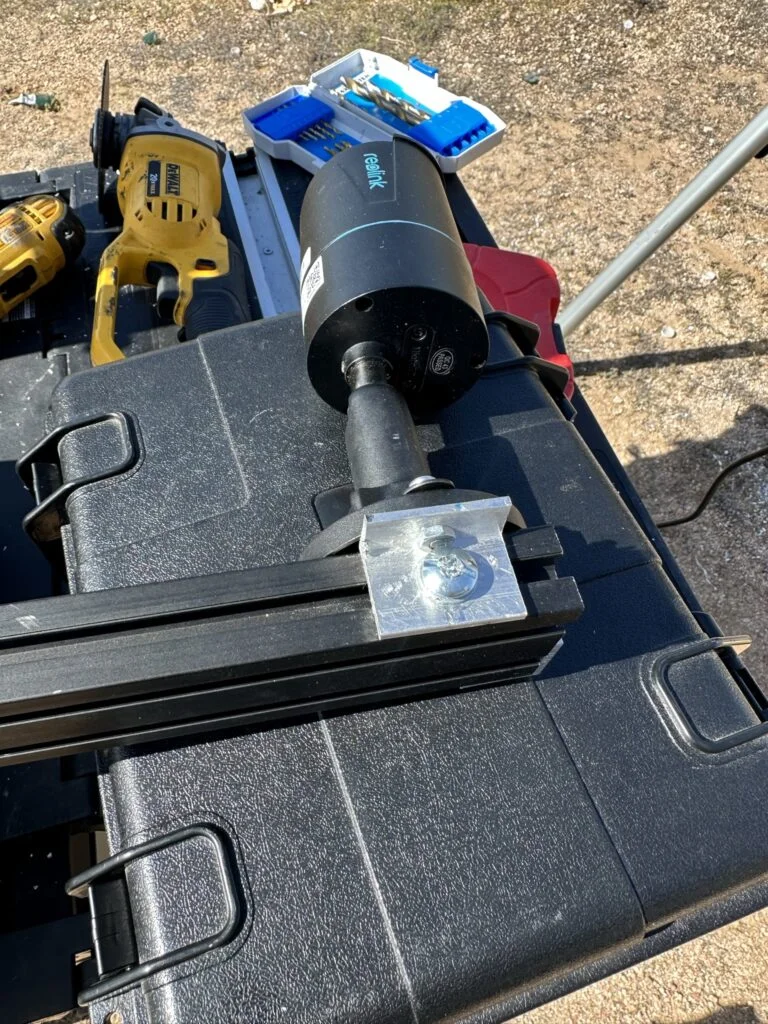
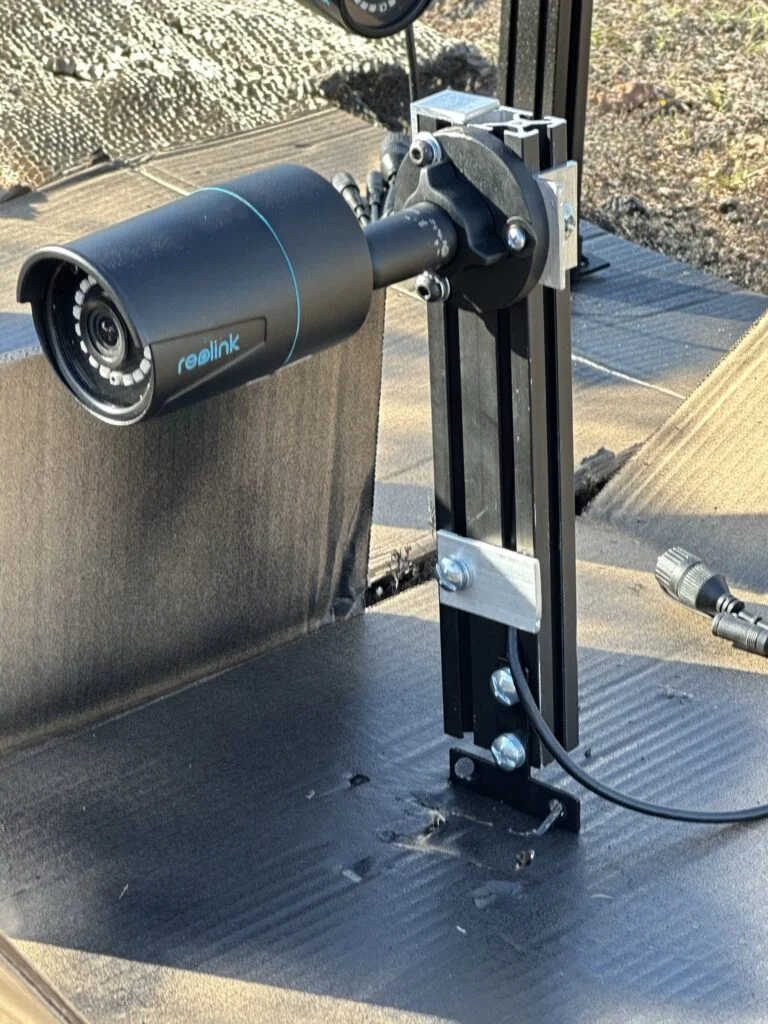
I cut and drilled brackets for the roof cameras and lights.
I adjusted mounting holes as I brought the camera assemblies together.
I coated the camera-mount pieces black during the fabrication sequence.
The camera mounting arrangement with its drilled attachments.A black-coated bracket from my roof camera-mount work.
My Takeaway from This Job
The bracket geometry determined how the mounting faces met before the coating stage. My Z-bracket purchase supplies a stepped offset; both alternatives change to an L-shaped right-angle connection.
A stepped Z connection and an L corner have different mounting geometry.
Product Details And Van-Build Uses
Specification
Product Detail
Material
Steel
Profile
Offset Z shape
A Z-shaped bracket creates an offset between its two mounting faces. That makes it different from a simple right-angle corner bracket: the step is part of the connection geometry. For a van panel or small mounting assembly, measure the required stand-off before choosing the bracket. Include the thickness of the adjoining pieces and the fastener heads in the layout. Position the bracket so both mounting faces seat against their intended surfaces without twisting the connecting section to close an incorrect gap.
An offset bracket is useful when the two attachment surfaces are separated by a step. Match the offset and hole locations to the actual assembly layout.
Alternative products
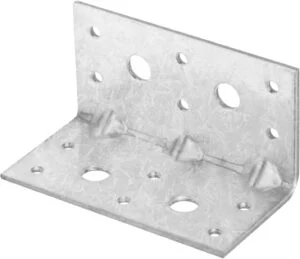
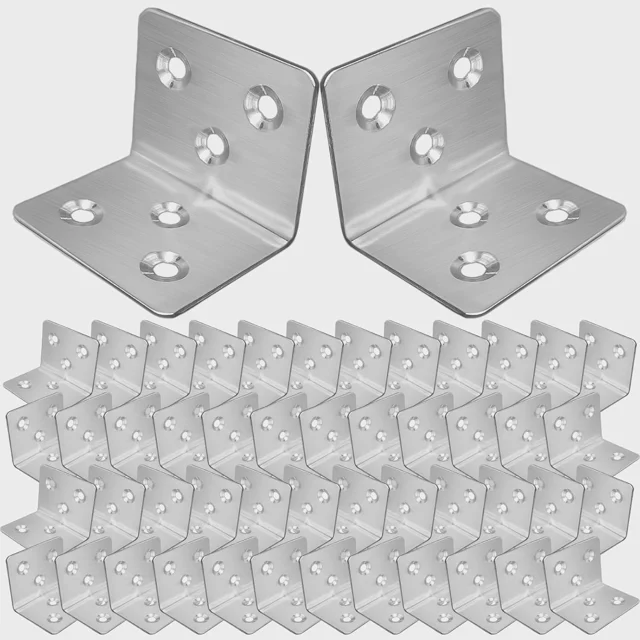
Two Alternatives to Compare
The steel and stainless alternatives use L-shaped corners. That changes the joint from an offset between mounting faces to a right-angle attachment.