My cabinet-hardware purchases include roller catches as well as push latches and hook closures. This set represents the roller approach to retaining a door or panel around a storage assembly.
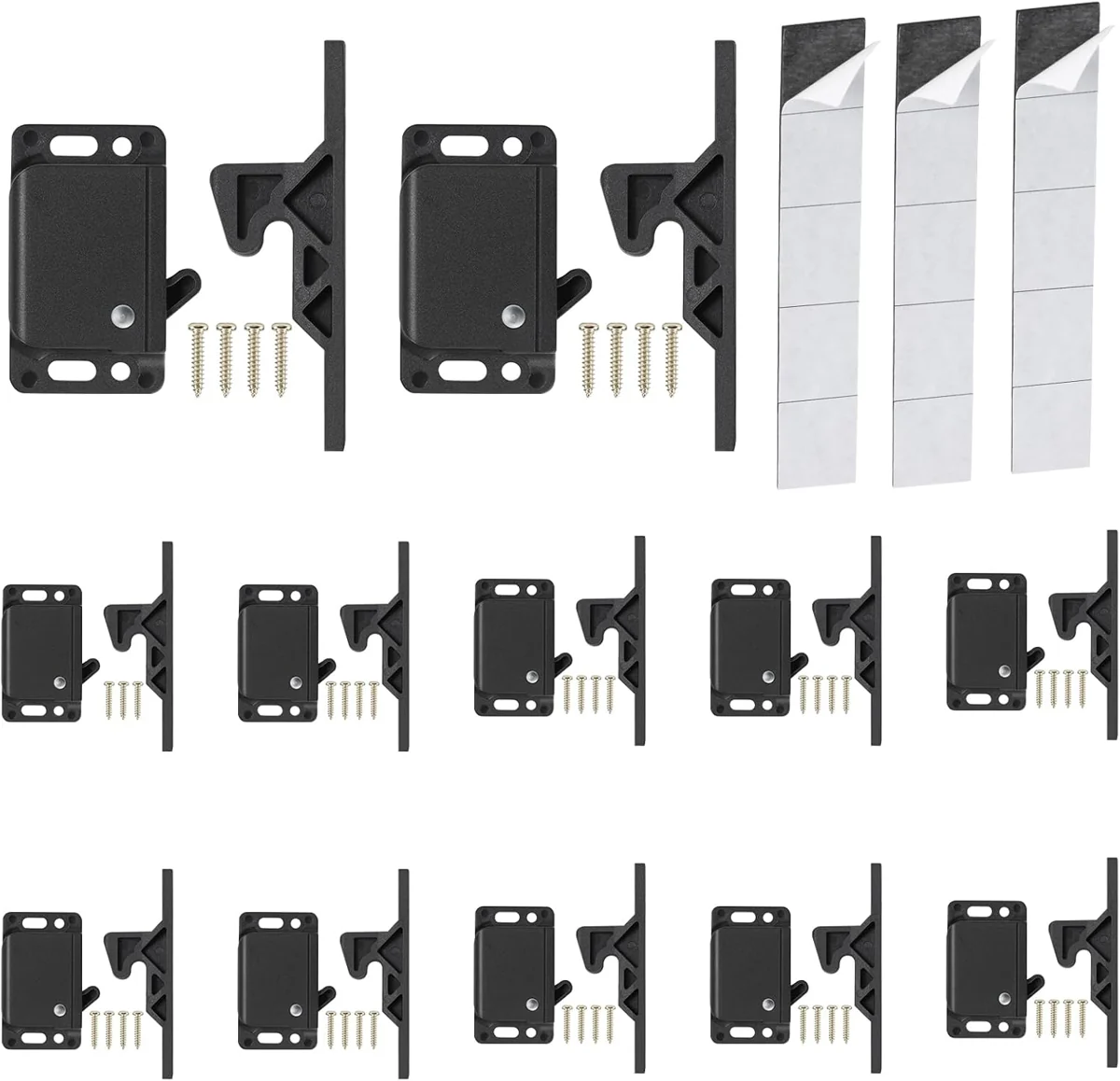
I bought Keenkee Double-Roller Cabinet Latches as part of my camper van equipment.
My cabinet-hardware purchases include roller catches as well as push latches and hook closures. This set represents the roller approach to retaining a door or panel around a storage assembly.
Choosing the Catch Action Around a Storage Opening
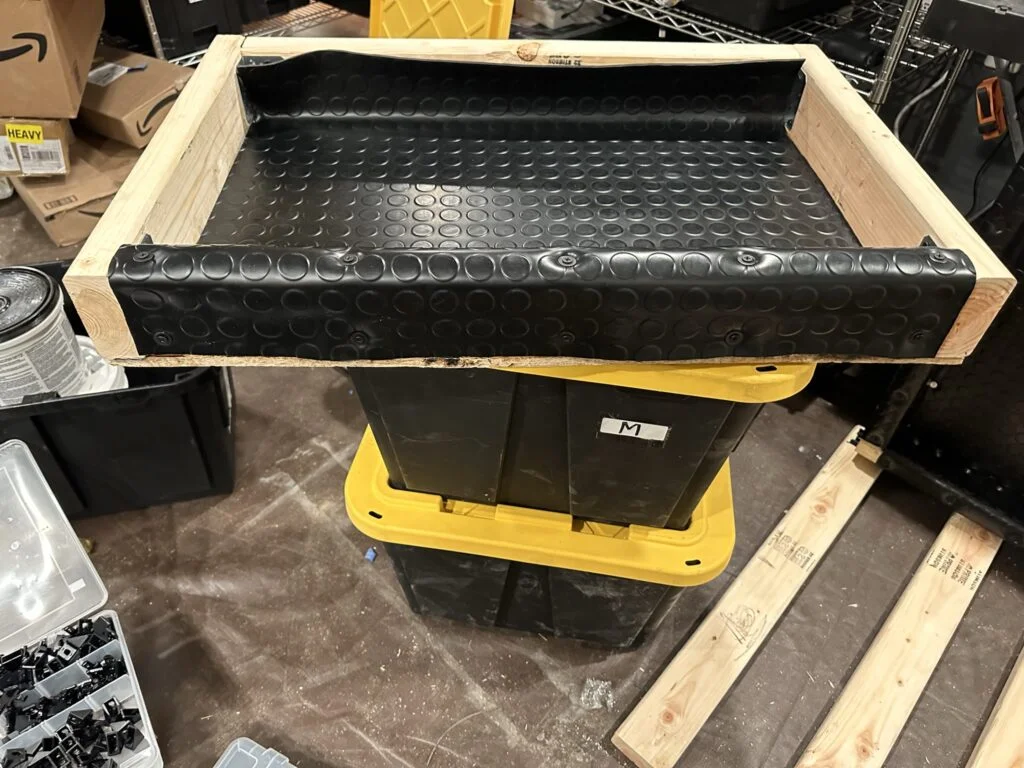
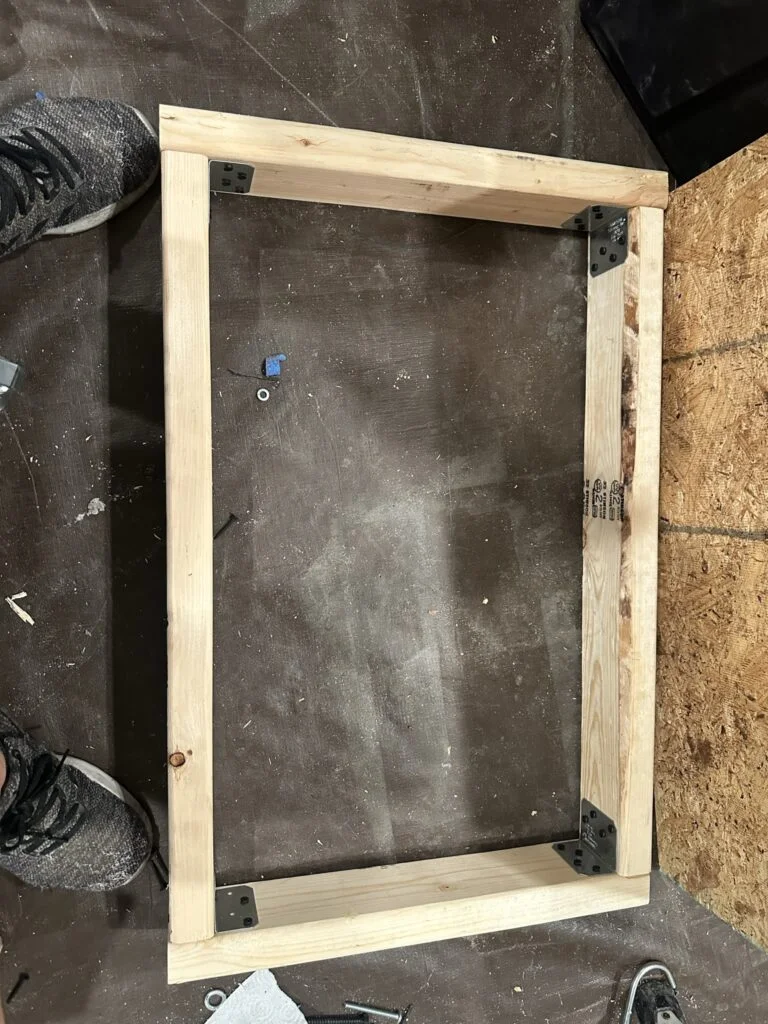
I assembled the timber drawer and surrounding cabinet.
I fitted the drawer lining and slides during later assembly stages.
My closure purchases included double-roller catches alongside push-latch options.
The drawer after I fitted its rubber lining.The measured timber drawer frame on my patio.
My Takeaway from This Job
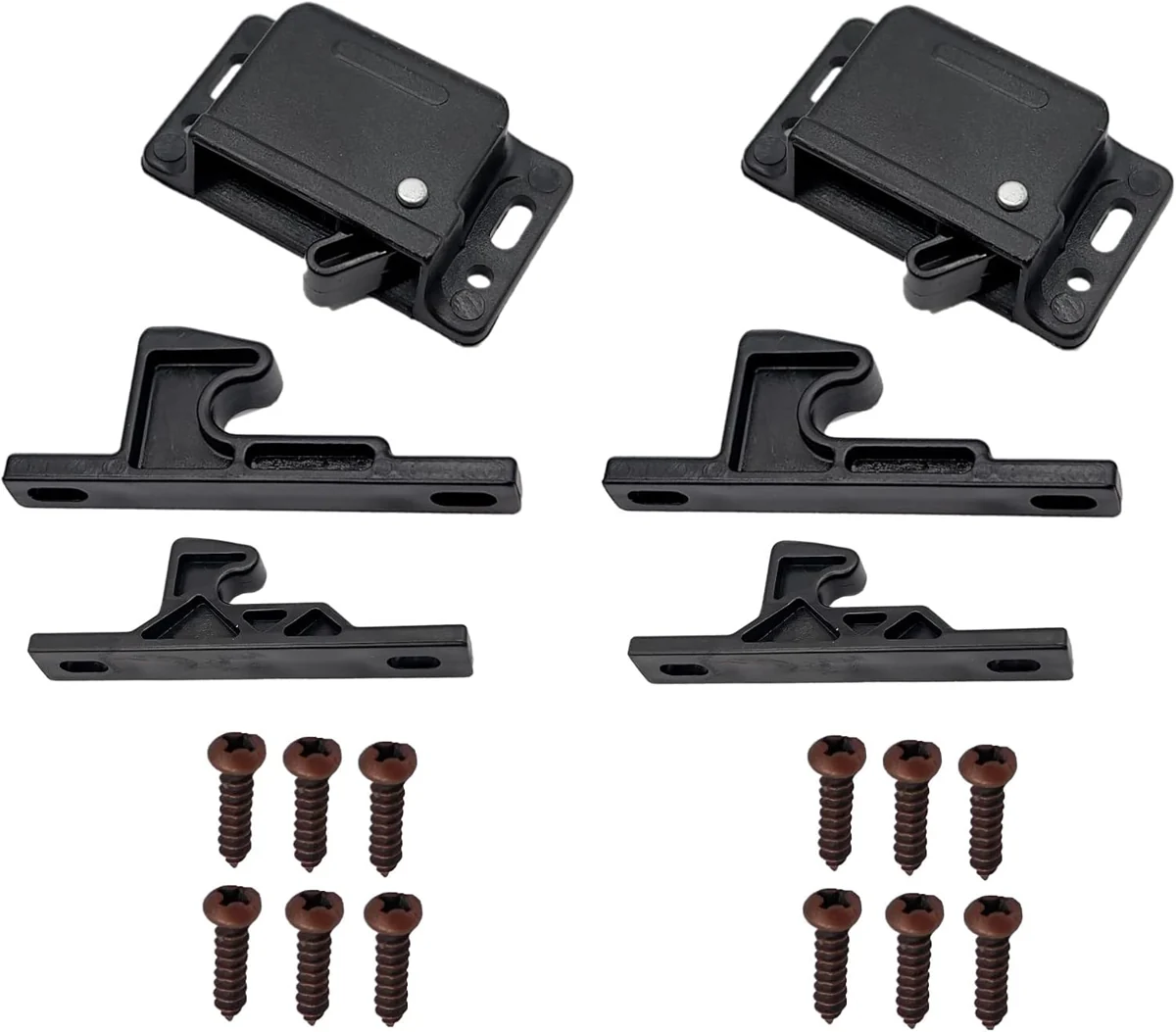
The most useful distinction here is the engagement action. The Keenkee catch captures a strike between rollers; both alternatives switch to push-latch operation, with their own mating-piece layout.
Compare how the catch engages its mating piece.
Product Details And Van-Build Uses
Specification
Product Detail
Recorded Set
Eight catches and eight strikers
Rollers
Black nylon
Mechanism
Spring-loaded double roller
Finish
Black nickel
A Keenkee double-roller catch uses two cooperating pieces: the roller body and the striker attached to the opposite surface. The exact product reference identifies spring-loaded rollers and lists the striker separately in each set. That arrangement makes alignment important when laying out a van cabinet door, because the striker needs to enter the roller opening as the door closes. It is also a different mechanism from a concealed hinge or drawer slide. My recorded hardware remains alongside the existing alternatives, with this added explanation of the catch components and their placement.
No. The set contains separate roller bodies and strikers that meet when the cabinet door closes.
Alternative products
Two Alternatives to Compare
Both alternatives change from roller engagement to a push-latch mechanism. Their operation and two-part mounting layout are the main comparison points.