The Nilight ramps are among my vehicle-service purchases. My heater diary describes how cramped and tiring under-van work felt while I routed intake, exhaust and fuel-system components.
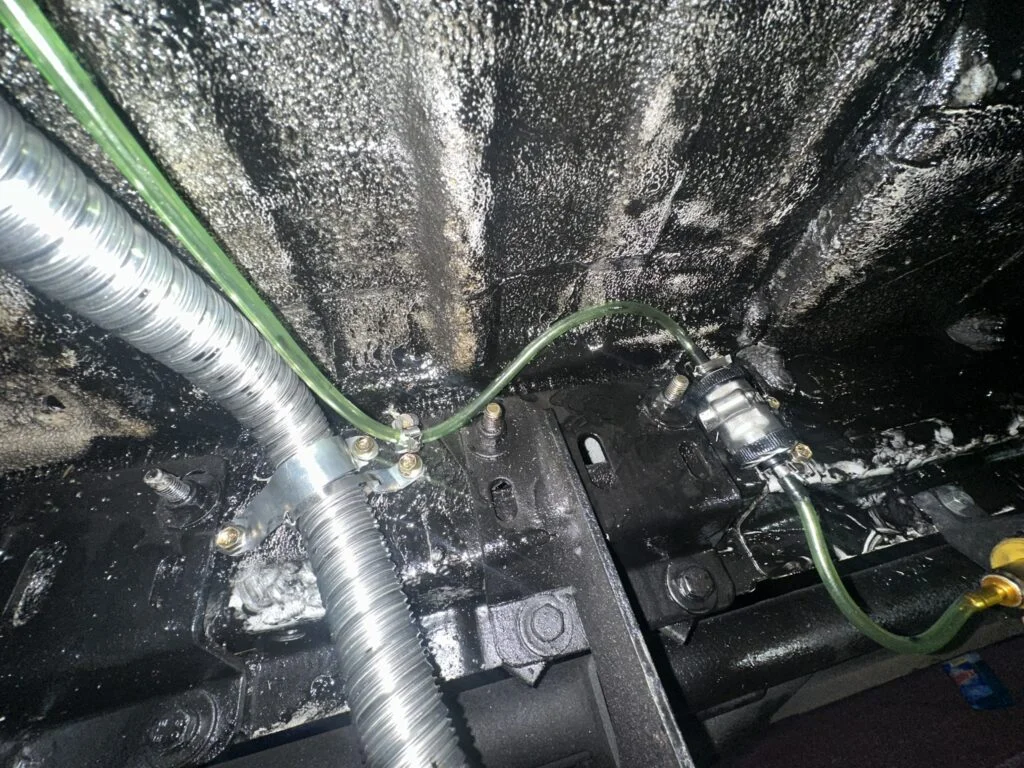
The underside of my van during the heater pipe and mounting work.
The item in my kit
I bought Nilight Vehicle Service Ramps as part of my camper van equipment.
The Nilight ramps are among my vehicle-service purchases. My heater diary describes how cramped and tiring under-van work felt while I routed intake, exhaust and fuel-system components.
Where it fits my build
While fitting the heater below the passenger seat, I worked underneath the van on the intake, exhaust, fuel filter and pump mounts. The black substance visible on the undercarriage was Fluid Film Black, which I had applied across the underbody while leaving the exhaust parts uncoated.
Much of that session was spent lying on my back. I recorded how cramped the space was and how tiring it became to hold my head up and work with both hands around the mounting points.
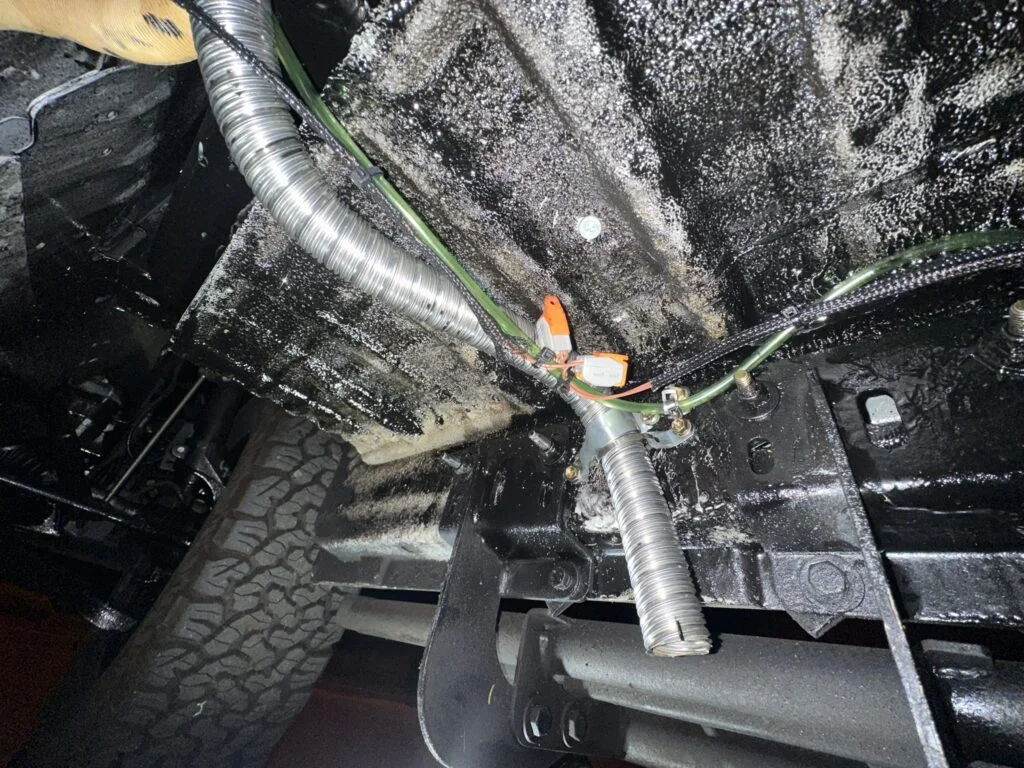
A later view of the fuel-line and wiring route beneath the van.
My build notes
The diary separates the coating already present beneath the van from the heater work happening that day. The photos are useful for seeing the available working space and the location of the lines and attachments.
The available space under the van affected the pace of each mounting task.
Alternative products
Two alternatives to compare
RhinoGear and Race Ramps offer alternative ramp shapes and approach profiles for vehicle service access.
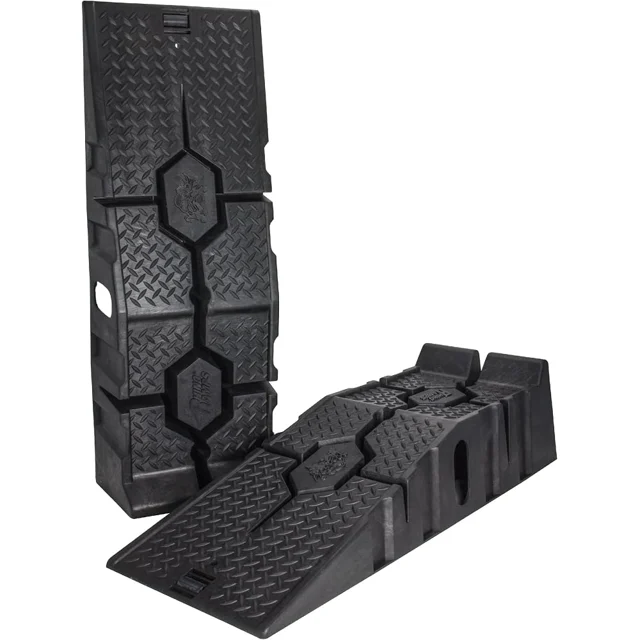
RhinoGear RhinoRamps MAX
These nesting automotive ramps raise a vehicle’s wheels to create working clearance underneath. Their nesting shape reduces storage space between maintenance jobs.
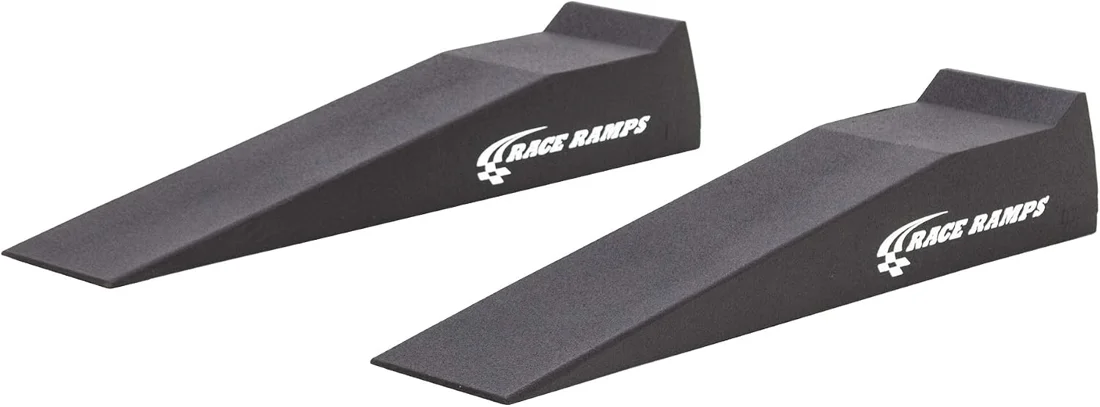
These single-piece vehicle service ramps use solid high-density foam construction. Their long approach and wheel platforms offer a different construction from molded nesting ramps.