The Item in My Kit
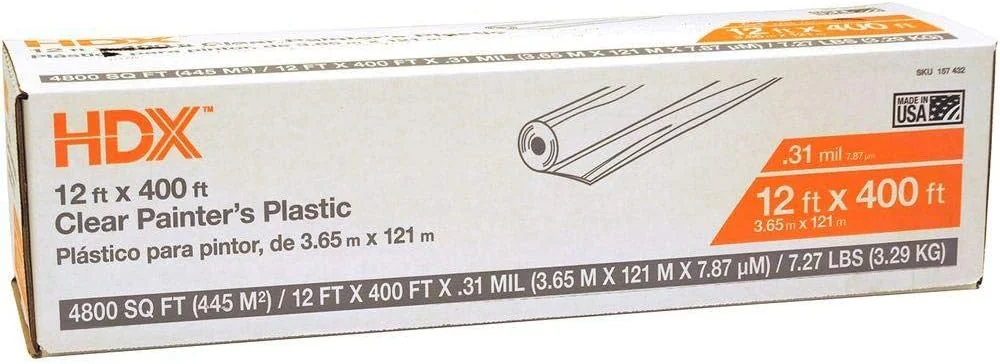
I bought HDX 12-Foot by 400-Foot Painter's Plastic as part of my camper van equipment.
My painter's-plastic purchase belongs to the masking and surface-preparation supplies around the coating stages.
The Masking Supply Behind the Exterior Finish
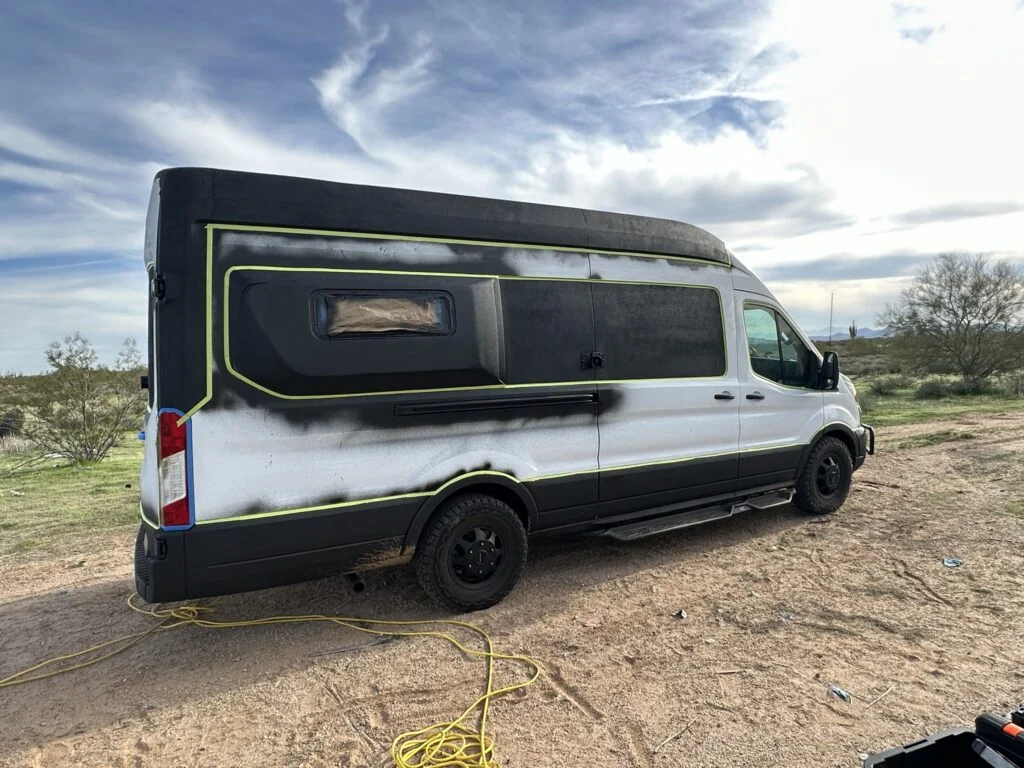
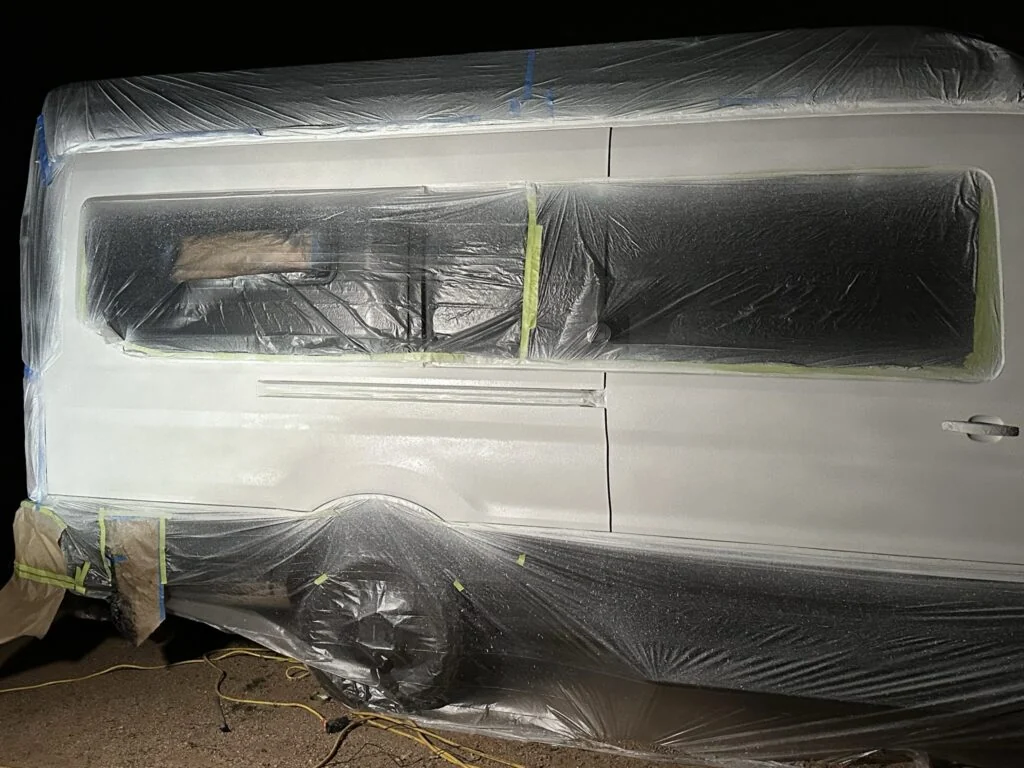
- I spent around eight hours masking the van and covering the unpainted areas.
- I sanded, blew away dust and cleaned the exposed bodywork before spraying white-tinted bedliner.
- I removed the masking after drying and inspected the uneven areas and edges for touch-up.
My Experience With This Tool
By Steven Smith
This is thin painter's plastic. Thicker plastic seemed expensive for the amount of coverage, which is why the less expensive thin roll was appealing.
The problem was tearing after I had it taped over the van. A tear could let paint or bedliner reach a surface I meant to keep covered, leaving an unwanted colour on it.
I did most of this work outdoors, and wind made the thin plastic especially difficult to keep intact. For me, thickness mattered more than changing between brands of thin film. If I wanted plastic that held up better, I would spend more on a thicker material.
Watch My HDX Painter’s Plastic Review
My narrated review covers the thin plastic I used during outdoor van painting, how tearing and wind affected the masking, and why thickness mattered to me.
Press Play To Start The Video.
Read The Video Transcript
Hey, I'm Steve Smith with Camper Van Freedom. The HDX painter's plastic in my van-building kit offered a lot of coverage, but tearing was the problem I ran into. I worked mostly outdoors, and wind made thin plastic much harder to keep intact while painting and spraying bedliner.
This was the twelve-foot by four-hundred-foot roll. Its broad sheet format suited covering areas around the coating work. The attraction was the amount of material for the money, because thicker plastic seemed expensive for the coverage I needed.
Masking defines two different parts of a painting job: the area that gets coated and the area that stays covered. A sheet has to remain over that protected area throughout the spraying. A local edge and a large covering are different parts of the same layout.
On my exterior project, I spent around eight hours masking the van and covering the unpainted areas. I sanded the exposed bodywork, blew away dust and cleaned it before spraying white-tinted bedliner. The photographs show my actual van during that coating project.
The drawback appeared after the thin plastic was taped onto the van. It could tear, and a tear could let paint or bedliner reach an area I meant to protect. Instead of just having a covering in place, I had to think about whether that covering was still intact.
Wind made that weakness more noticeable in my outdoor working setup. For me, the meaningful buying decision was thickness, rather than simply switching between brands of thin film. If I wanted plastic that held up better, I would spend more on a thicker material.
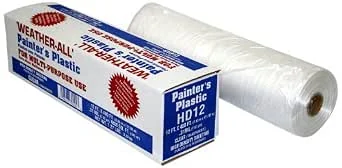
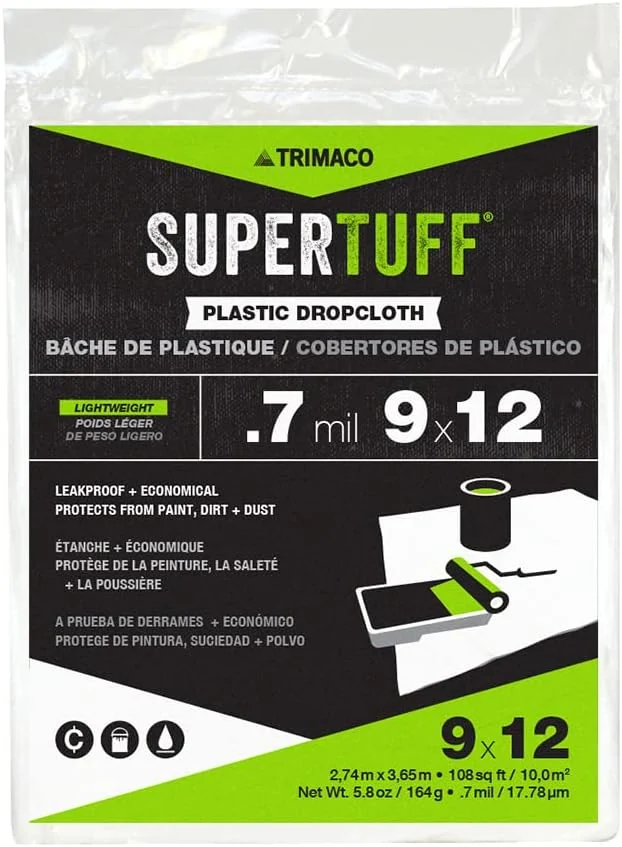
My review compares another large roll, TRM Weatherall painter's plastic, and an individual Trimaco SuperTuff nine-by-twelve-foot drop cloth. Those are different buying formats to compare. Changing to one of those names alone is not a result I tested or a promise that it fixes tearing in wind.
Thanks for watching. I'm Steve Smith with Camper Van Freedom. My takeaway is to think about the covering staying intact, not just how much plastic comes on the roll. Read the full HDX review for my outdoor masking experience and the two alternatives. See you on the next project.
Watch This Review On YouTube · English Captions (VTT) · Download The Transcript