Wire organization appears throughout my roof diary, where I grouped cables and attached the conduit to the rack. These adhesive bases are another mounting supply in my purchased kit.
I bought Adhesive Cable-Tie Mounting Bases as part of my camper van equipment.
Wire organization appears throughout my roof diary, where I grouped cables and attached the conduit to the rack. These adhesive bases are another mounting supply in my purchased kit.
Separating the Bundle Loop from Its Surface Anchor
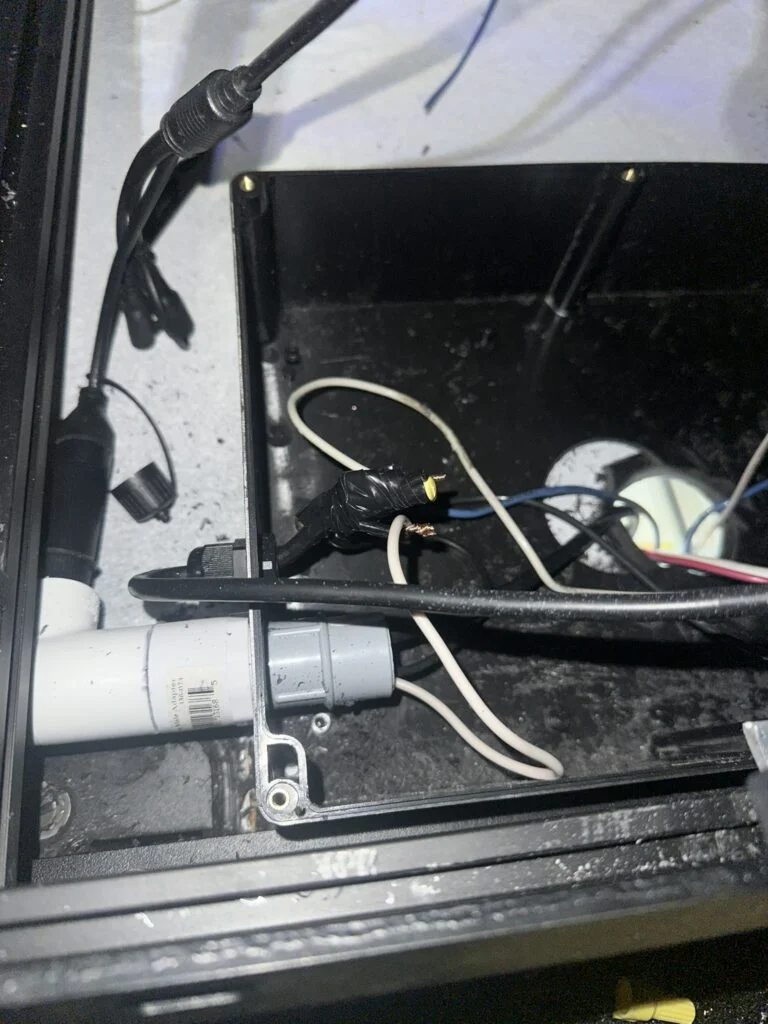
I grouped the roof wires as local routes came together.
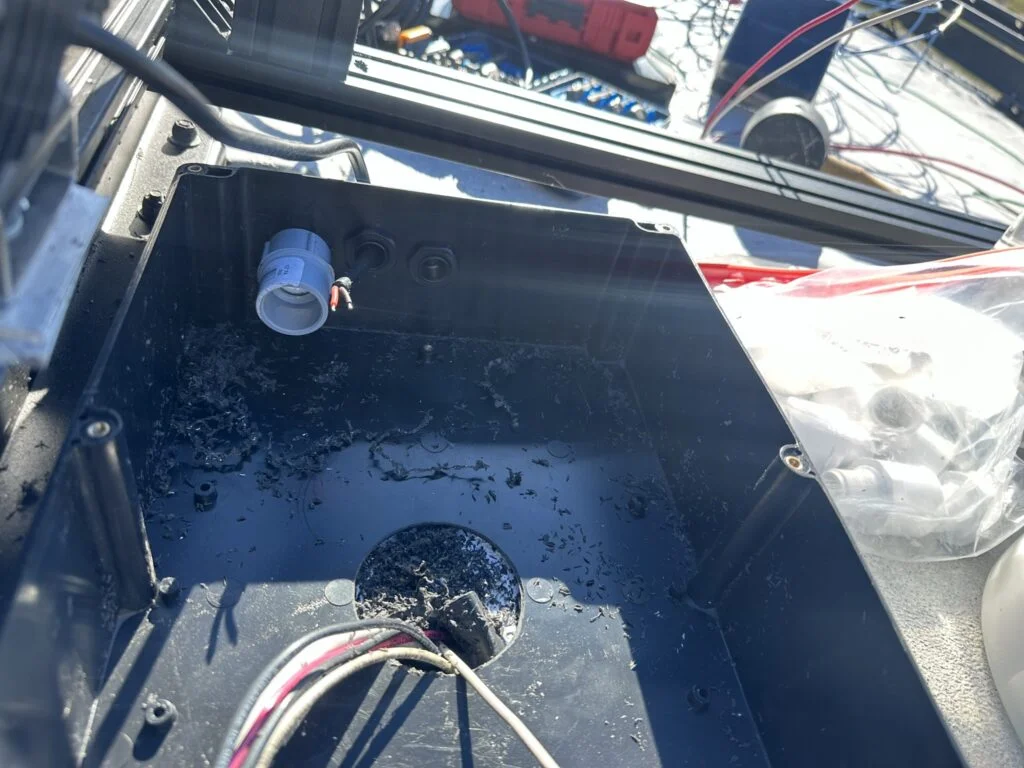
The conduit brought those groups toward the larger entry enclosure.
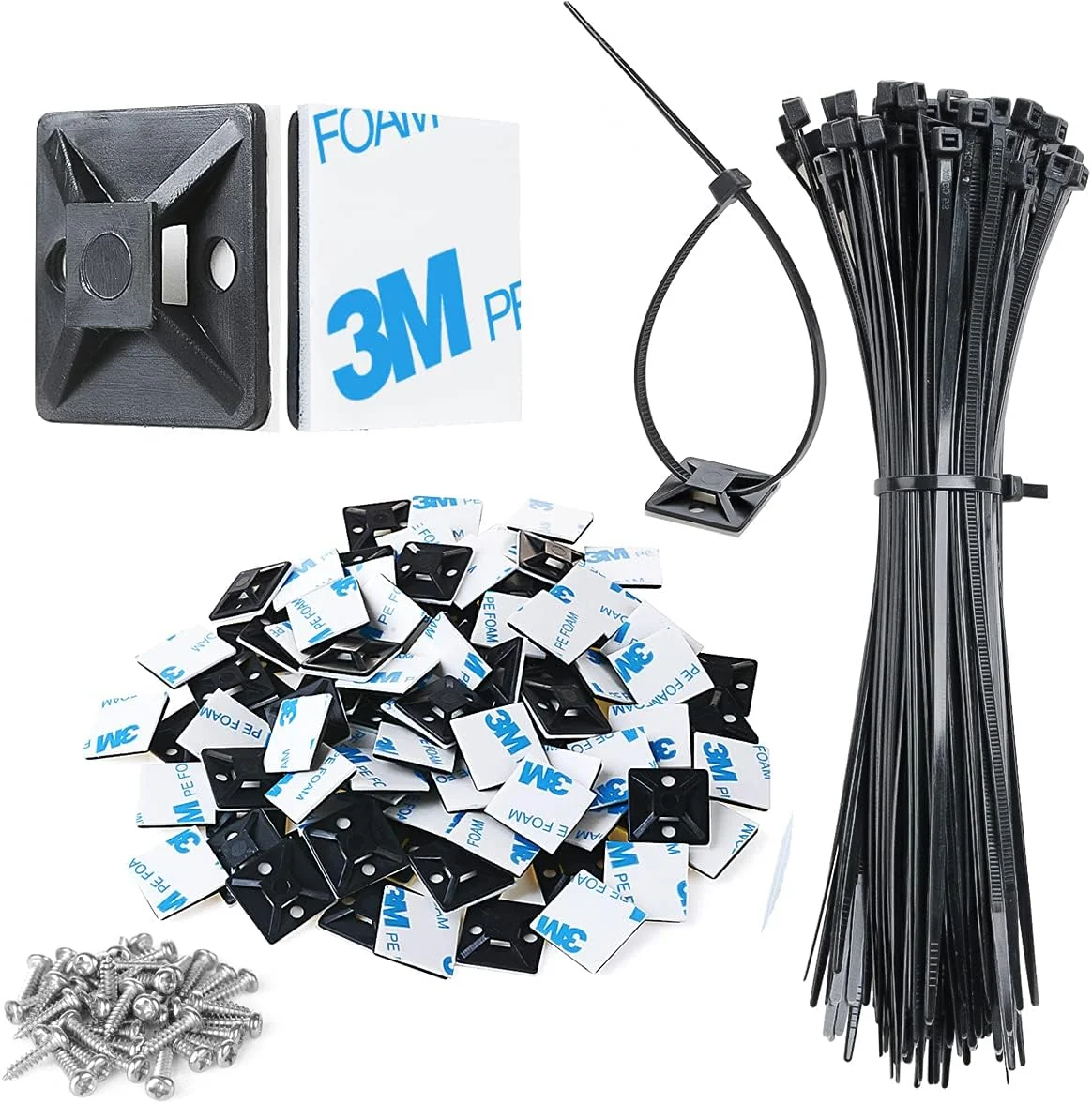
My mounting supplies included square tie bases with adhesive backs and screw holes.
A grouped roof-wire connection before the final conduit work.The larger roof enclosure during my cable-entry work.
My Takeaway from This Job
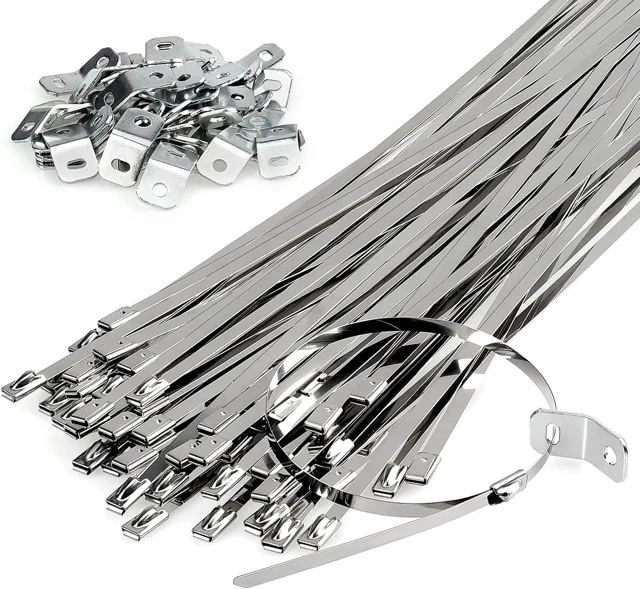
The base anchors the tie while the loop holds the bundle. The two plastic-base options retain separate ties, while the stainless alternative changes to metal straps with screw-hole mounting bases.
Compare the surface anchor separately from the bundle-retaining loop.
Product Details And Van-Build Uses
Specification
Product Detail
Base Shape
Square cable-tie mounting base
Attachment Features
Adhesive back and screw holes
Cable Retention
Slots for a separate cable tie
Cable-tie bases provide an anchor point for a cable bundle rather than enclosing the wires themselves. The useful layout depends on where the bundle changes direction and where connectors must remain accessible. For a cabinet wall or equipment board, mark the route first and leave enough space around the tie slot to fit and adjust the tie. Keep the mounting surface and the base footprint in the notes. These purchased bases are separate from the conduit attachments shown in my roof diary.
These stainless-steel ties include screw-hole mounting bases. Their straps wrap around components, with the bases providing another attachment arrangement.