The DIHOOL breaker belongs to my purchased electrical hardware. My roof-wiring notes show how the physical arrangement of boxes and cable entries developed before I closed the connections inside them.
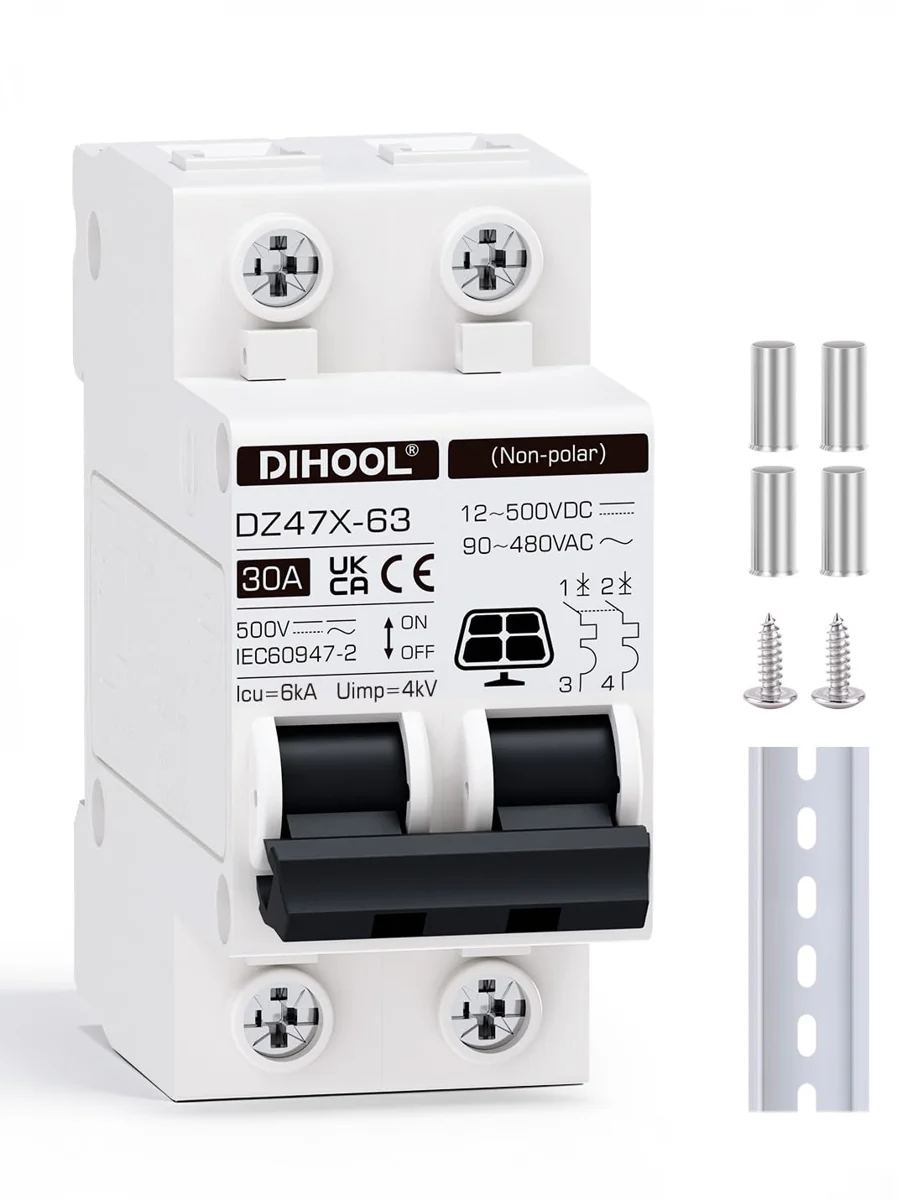
I bought DIHOOL 40A Two-Pole DIN-Rail Breaker as part of my camper van equipment.
The DIHOOL breaker belongs to my purchased electrical hardware. My roof-wiring notes show how the physical arrangement of boxes and cable entries developed before I closed the connections inside them.
Keeping Breaker Rating and Product Family Distinct
I pulled the roof cables through the PVC route with fish tape.
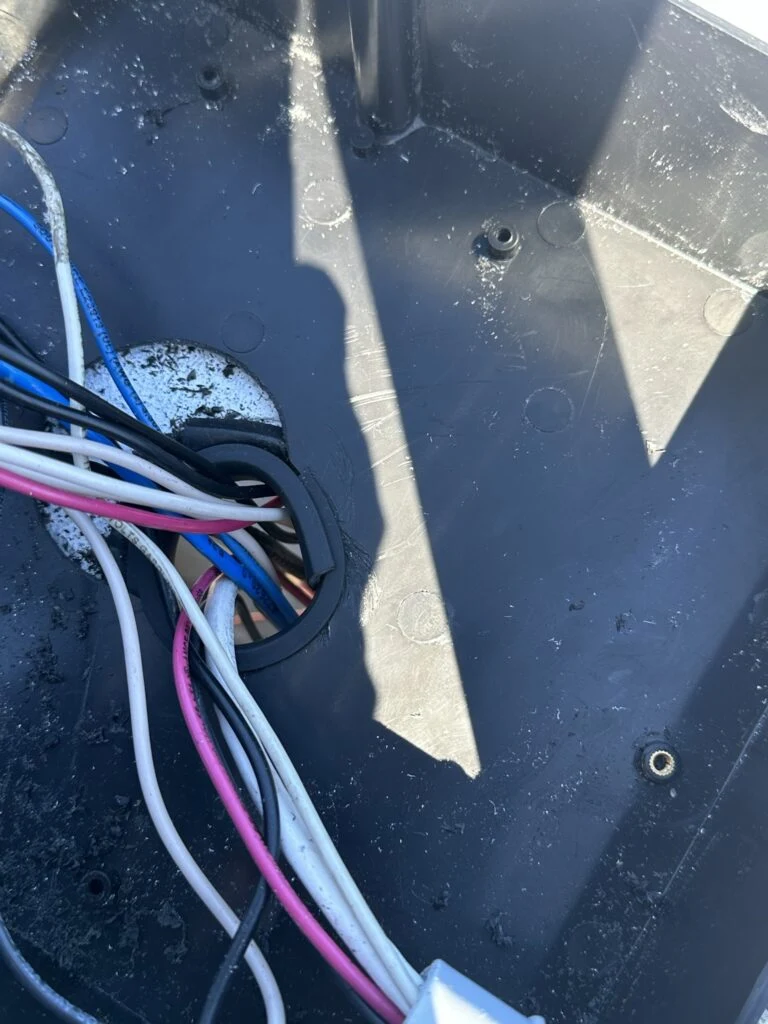
I fitted plastic trim around the roof opening where the wires entered the van.
I completed the remaining light connections, covered the boxes and joined the final conduit sections.
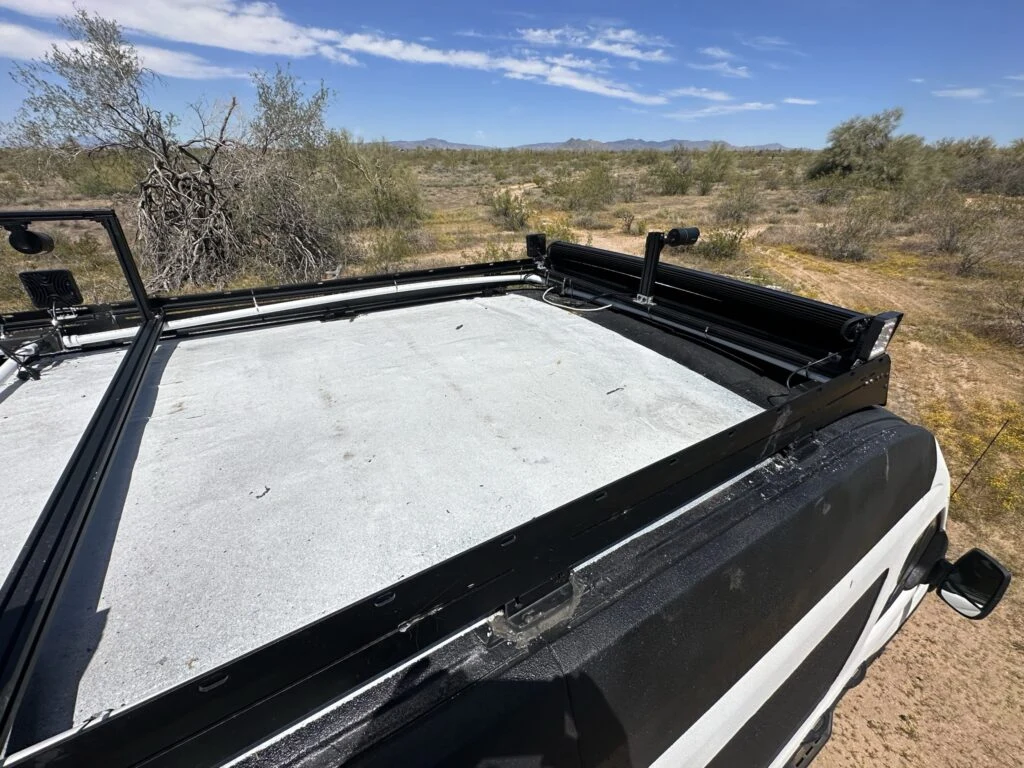
The roof at the end of my Roof Wiring and Devices Project Day 8 wiring session.The trimmed roof opening where my cable groups enter the van.
My Takeaway from This Job
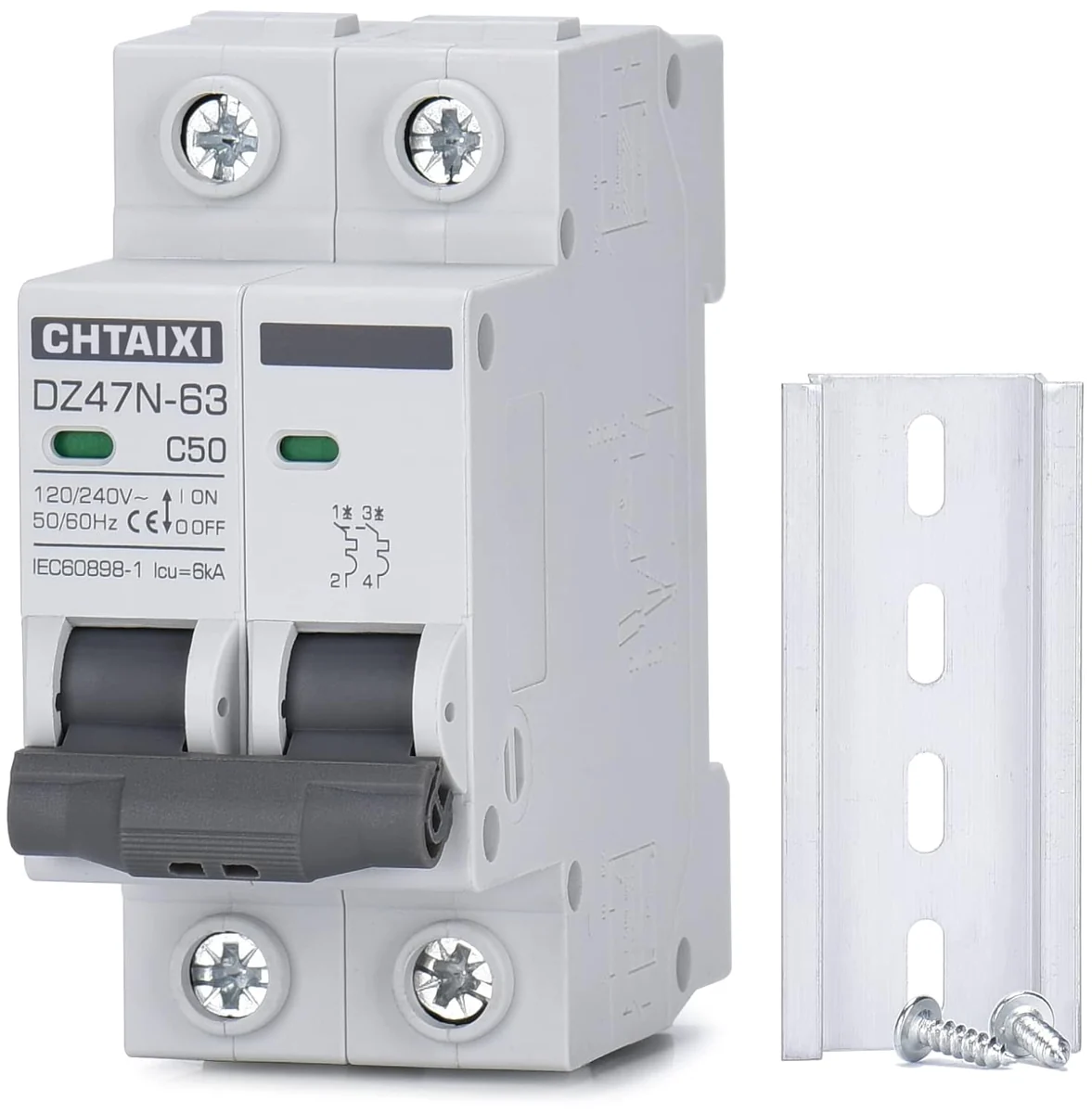
The cable-entry work provides physical context for my electrical purchases. DIHOOL's forty- and thirty-amp versions share a family, while the Chtaixi alternative is a fifty-amp AC product; rating, application marking and mounting body remain separate attributes.
Product Details And Van-Build Uses
Specification
Product Detail
Recorded Rating
40 A
Poles
Two
Mounting
DIN rail
The two-pole DIHOOL component occupies a defined section of rail inside an enclosure. Its operating handle needs access at the face, while the terminal areas need room for the arriving conductors. A useful van layout records the exact model with that footprint instead of identifying the part only by its current marking. Keep the enclosure drawing and the purchased component reference together so later changes can be compared with the same hardware.