Relays and socket harnesses were among my van's electrical purchases. The kit belongs to the switching components, while the roof-wiring photographs show the separate physical work of routing device cables.
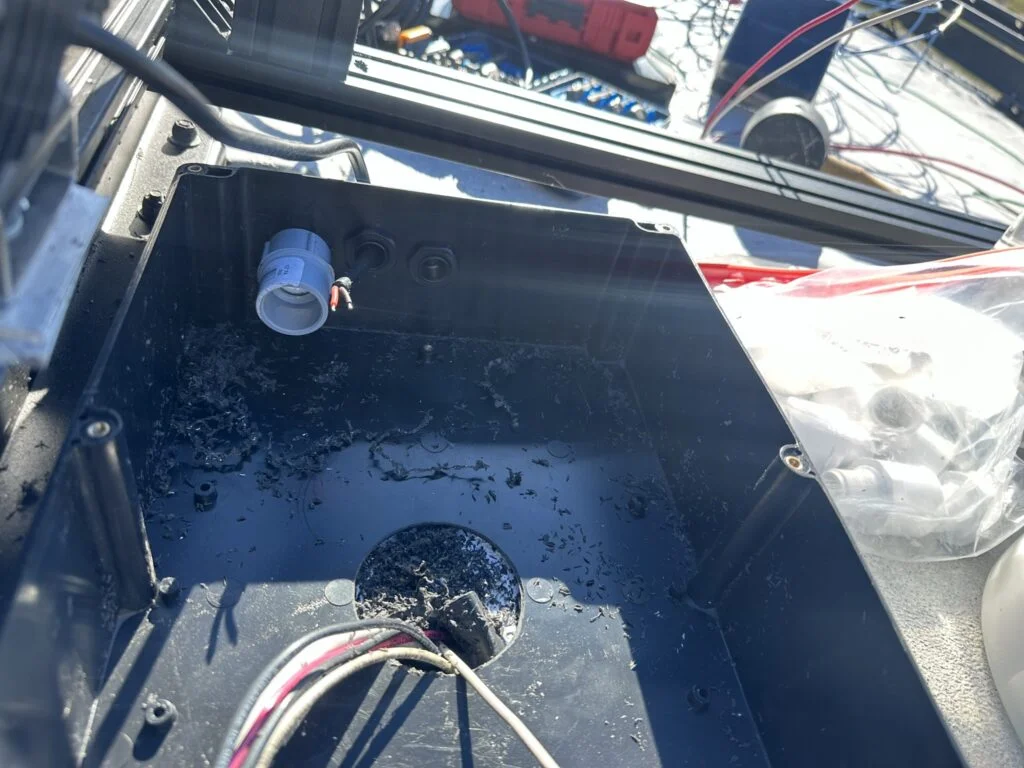
The larger roof enclosure during my cable-entry work.
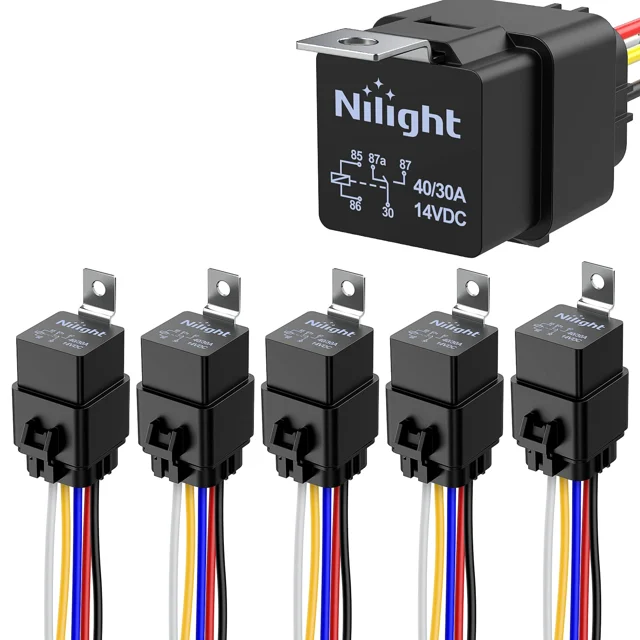
The item in my kit
I bought Nilight Five-Pin Automotive Relay Kit as part of my camper van equipment.
Relays and socket harnesses were among my van's electrical purchases. The kit belongs to the switching components, while the roof-wiring photographs show the separate physical work of routing device cables.
Where it fits my build
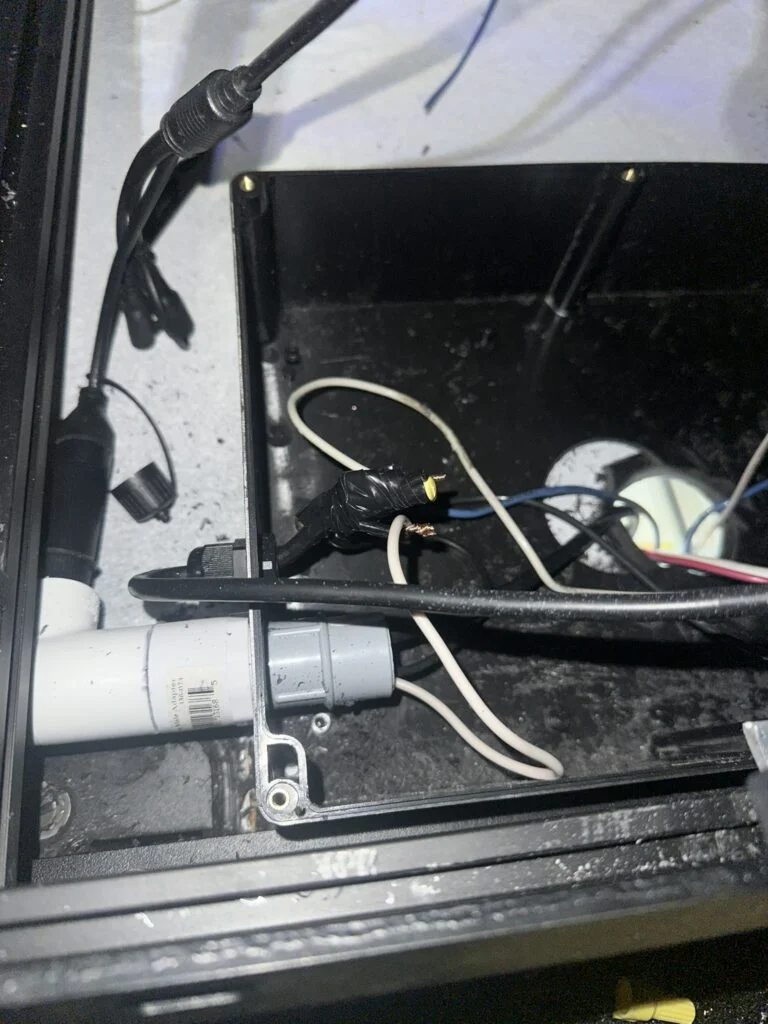
I brought the roof light wires and camera cables into a PVC conduit layout. That work included drilled enclosures, threaded fittings, cable glands, solder-seal splices and grouped wiring.
During the small-box stage, I drilled for a male PVC fitting and used a fitting inside as a retaining nut. I routed the camera cable through a gland into a tee and brought the light-wire groups toward the van entry.
A grouped roof-wire connection before the final conduit work.
My build notes
The wiring project was a sequence of individual connections and routes. The photographs show the intermediate stages, including open boxes and wrapped wire groups, before the remaining covers and conduit joints were finished.
I built the cable route a section at a time, bringing local connections into the larger conduit system.
Alternative products
Two alternatives to compare
True MODS uses a sealed relay-and-socket format, while the other Nilight harness set provides another grouped relay option; housing, lead size and mounting style distinguish them.
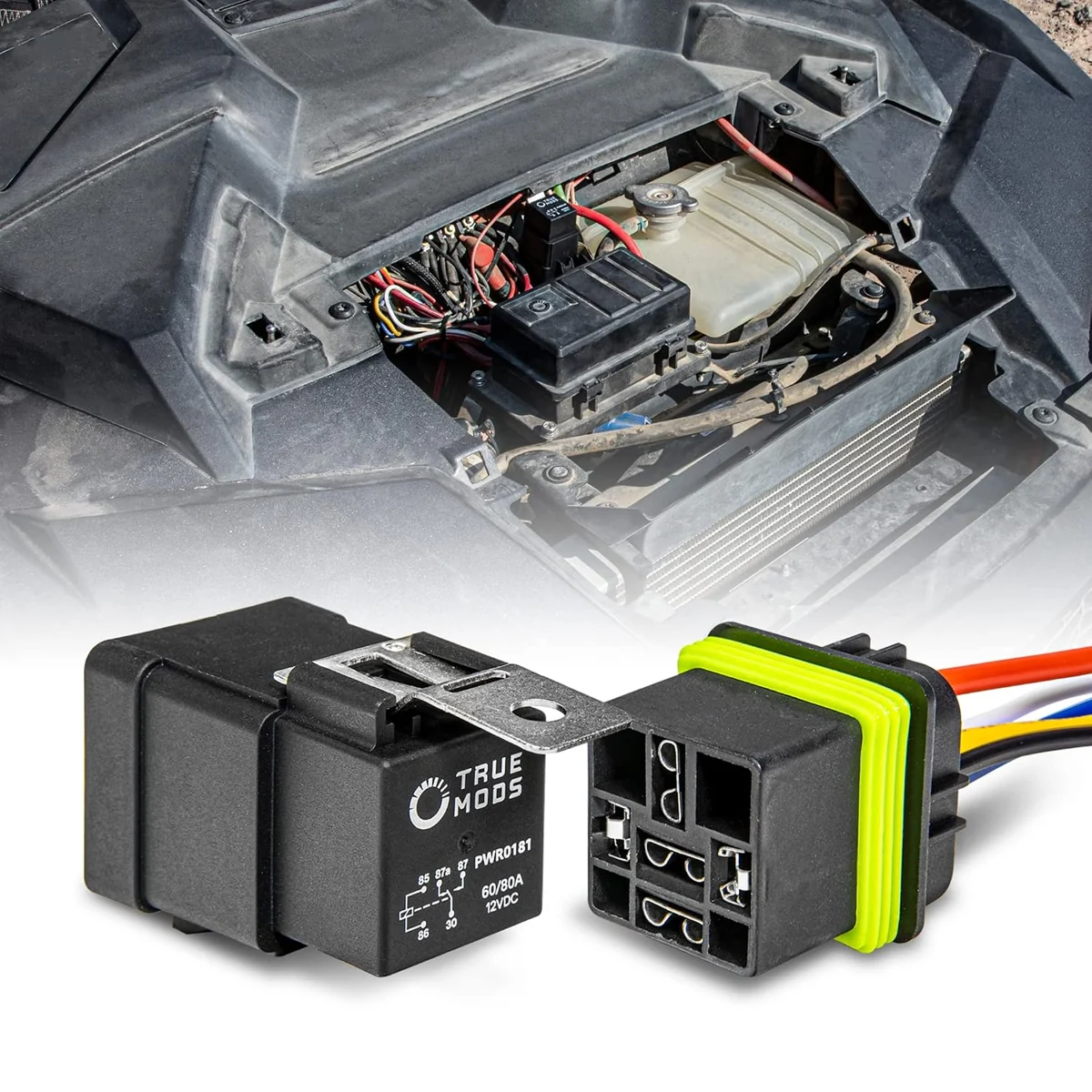
True MODS Five-Pin Relay and Socket
This five-pin relay is paired with a wired socket and sealed housing. A mounting tab provides an attachment point for the assembly.
These automotive relays use a control signal to switch a separate circuit. The supplied sockets provide wire leads for connecting each relay into a wiring assembly.