The Tnisesm relays are part of my purchased electrical-control components. My cable-routing diary shows why I kept the wiring groups and connection locations organized as the separate roof routes came together.
I bought Tnisesm AC120V SPDT Power Relays as part of my camper van equipment.
The Tnisesm relays are part of my purchased electrical-control components. My cable-routing diary shows why I kept the wiring groups and connection locations organized as the separate roof routes came together.
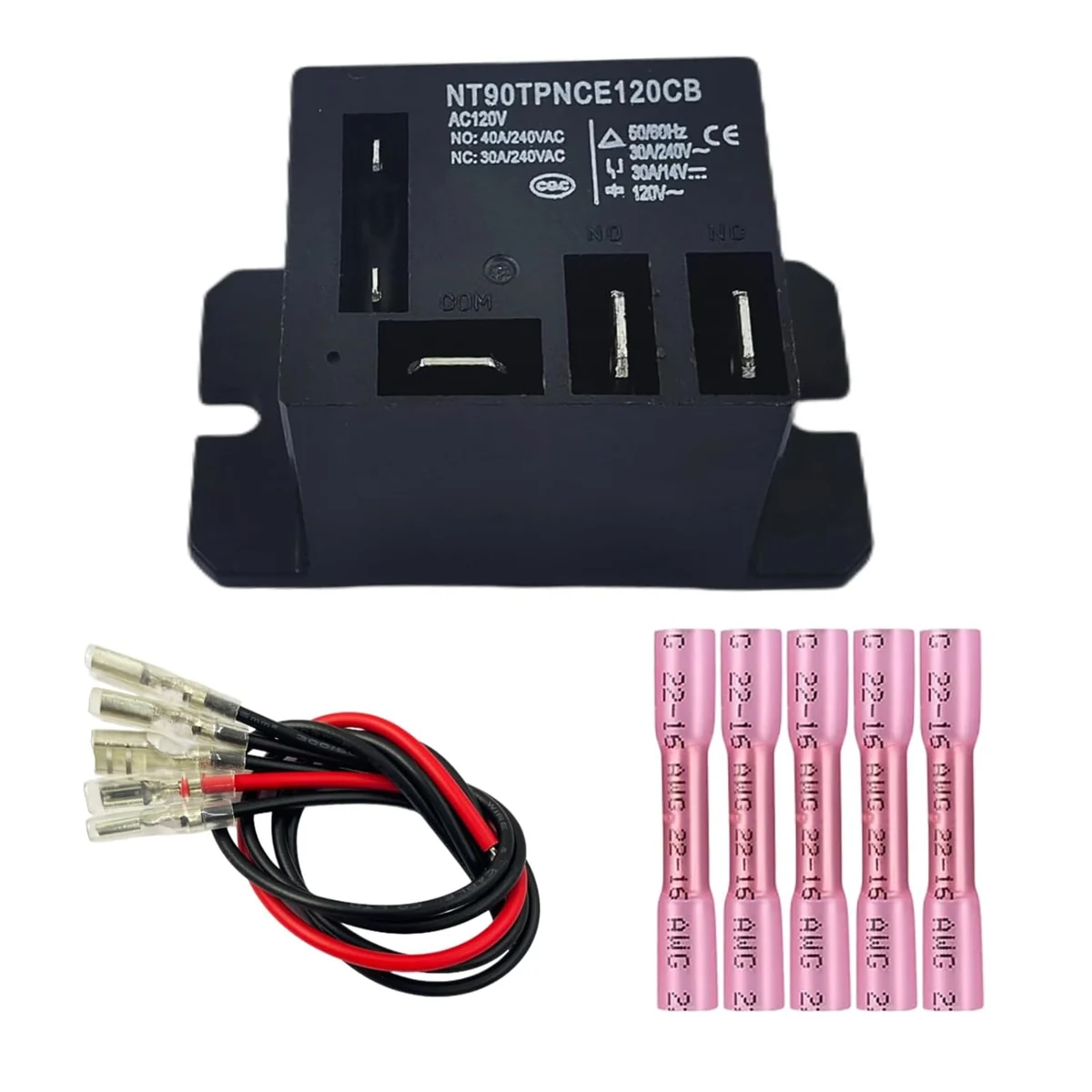
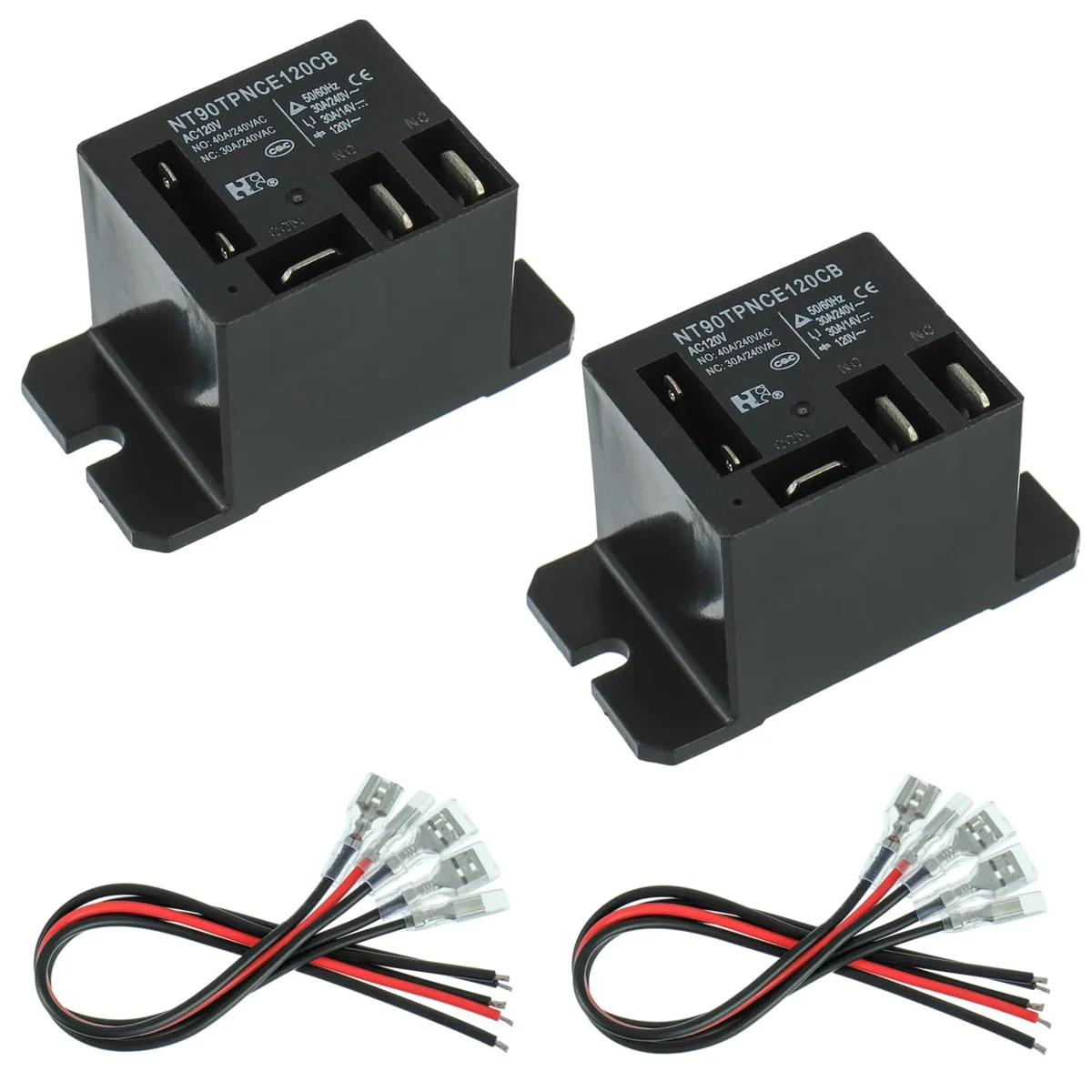
Comparing the Relay Coil Format and Supplied Leads
I pulled the roof cables through the PVC route with fish tape.
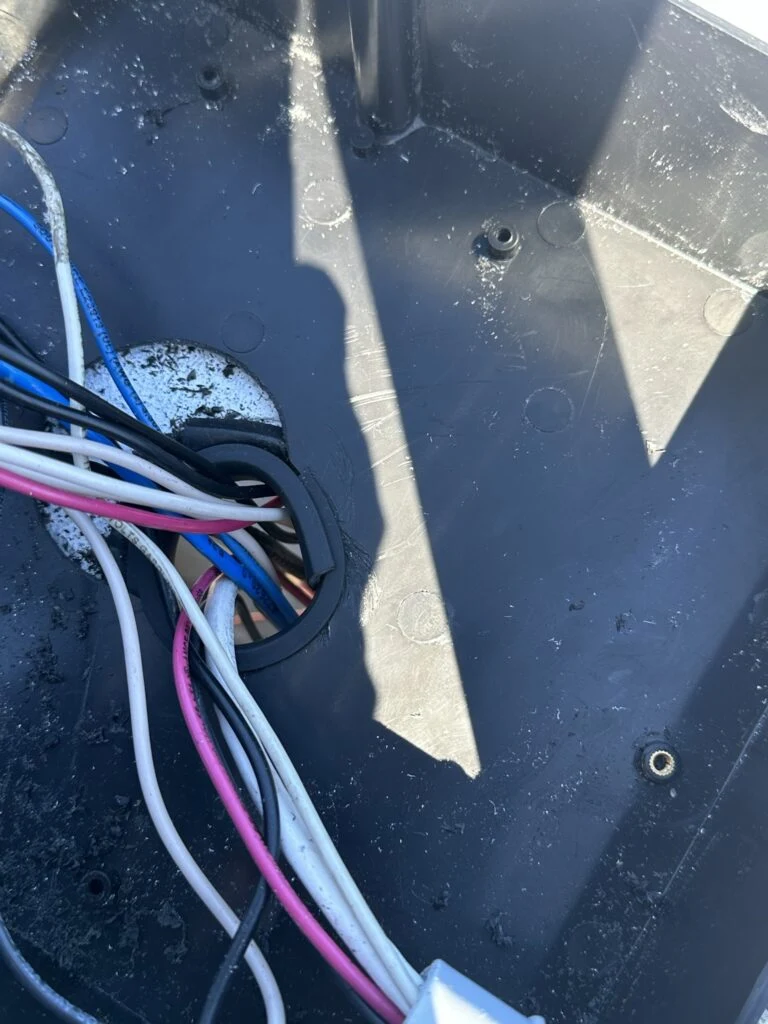
I fitted plastic trim around the roof opening where the wires entered the van.
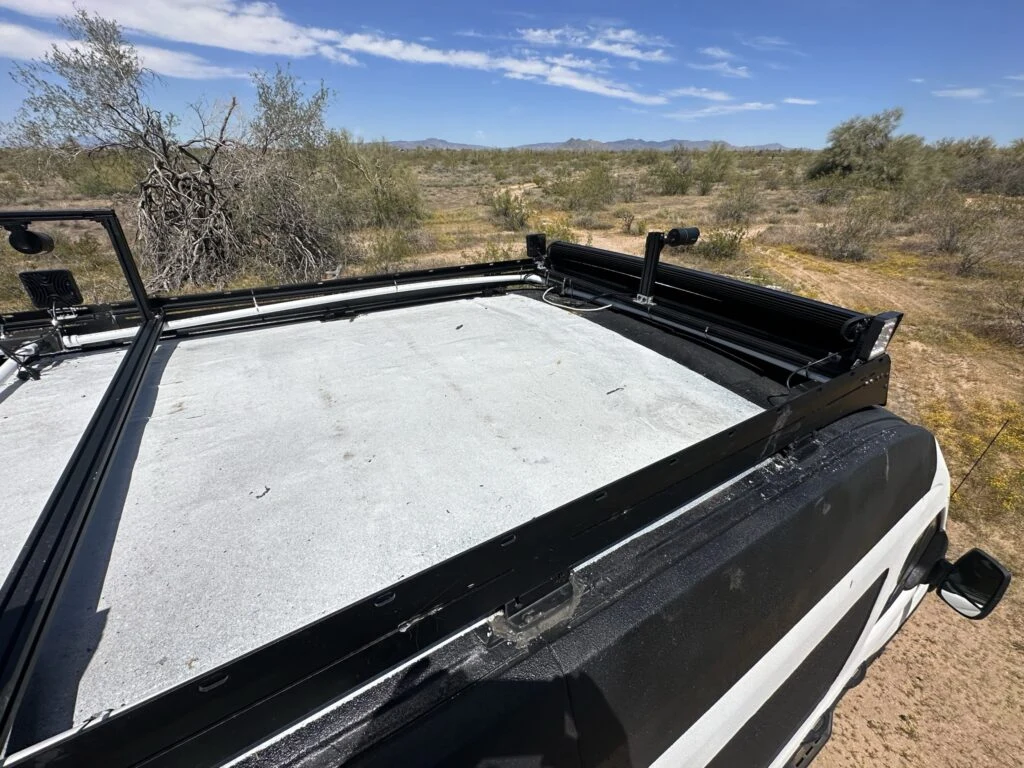
I completed the remaining light connections, covered the boxes and joined the final conduit sections.
The roof at the end of my Roof Wiring and Devices Project Day 8 wiring session.The trimmed roof opening where my cable groups enter the van.
My Takeaway from This Job
The three products retain 120-volt AC coils and SPDT contacts in flange-mounted relay bodies. Their supplied quick-connect leads and connector packages distinguish the kits; I keep that coil identity separate from the other automotive relays in my purchases.
Product Details And Van-Build Uses
Specification
Product Detail
Coil
120V AC
Contacts
SPDT
Mounting
Flange-mounted body
The coil designation and contact arrangement describe different sides of the relay. Record the 120-volt AC coil identity separately from the common, normally open and normally closed contact labels. The flange-mounted body also needs space for the quick-connect leads. For a van equipment drawing, show the physical relay and its terminal identifiers beside the circuit reference. That makes this component distinguishable from the small low-voltage relay boards elsewhere in the parts collection.