I bought the Veepeak inlet as a fixed connection component for my camper equipment. The build diary's roof-entry photographs provide context for the separate work of making cable routes and mounting enclosures on the van.
I bought Veepeak L5-30P Shore Power Inlet as part of my camper van equipment.
I bought the Veepeak inlet as a fixed connection component for my camper equipment. The build diary's roof-entry photographs provide context for the separate work of making cable routes and mounting enclosures on the van.
Comparing the Housing Around a Fixed Twist-Lock Inlet
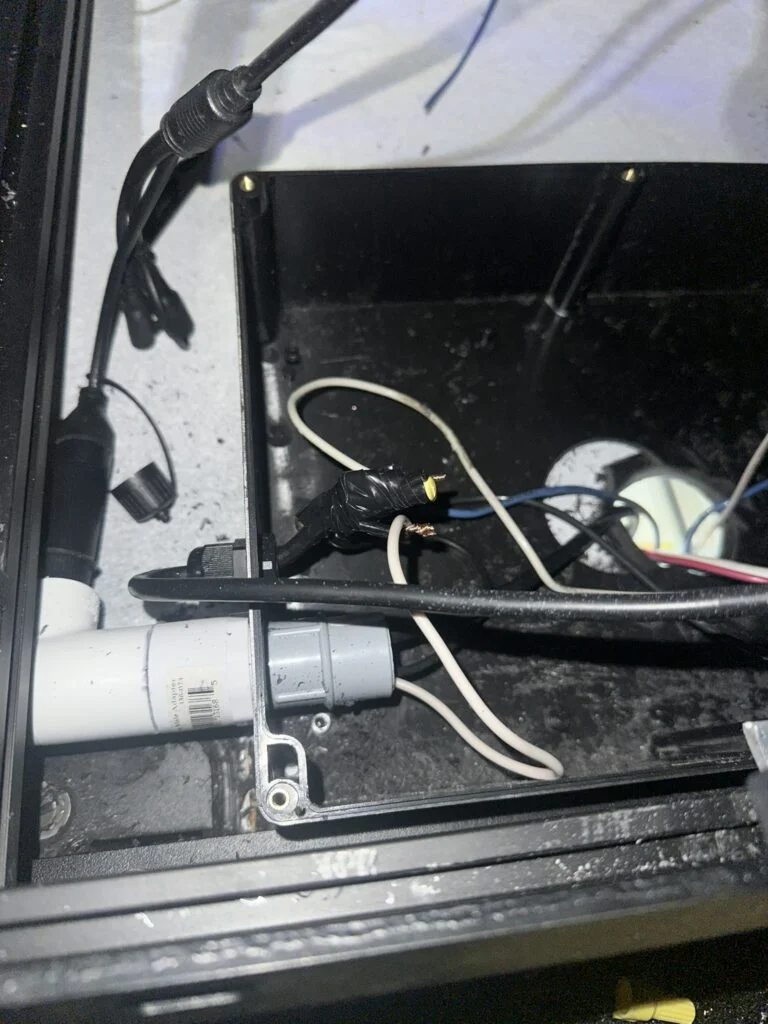
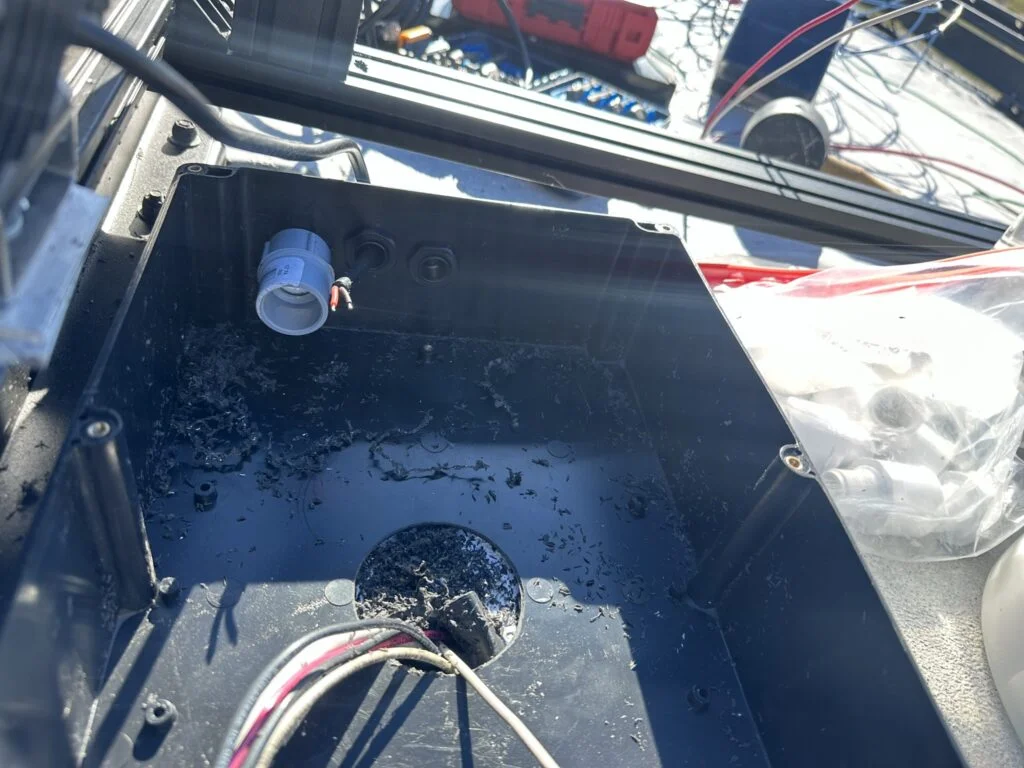
My roof-entry work involved preparing openings and fitting separate enclosures.
I bought fixed shore-power connection hardware as another electrical category.
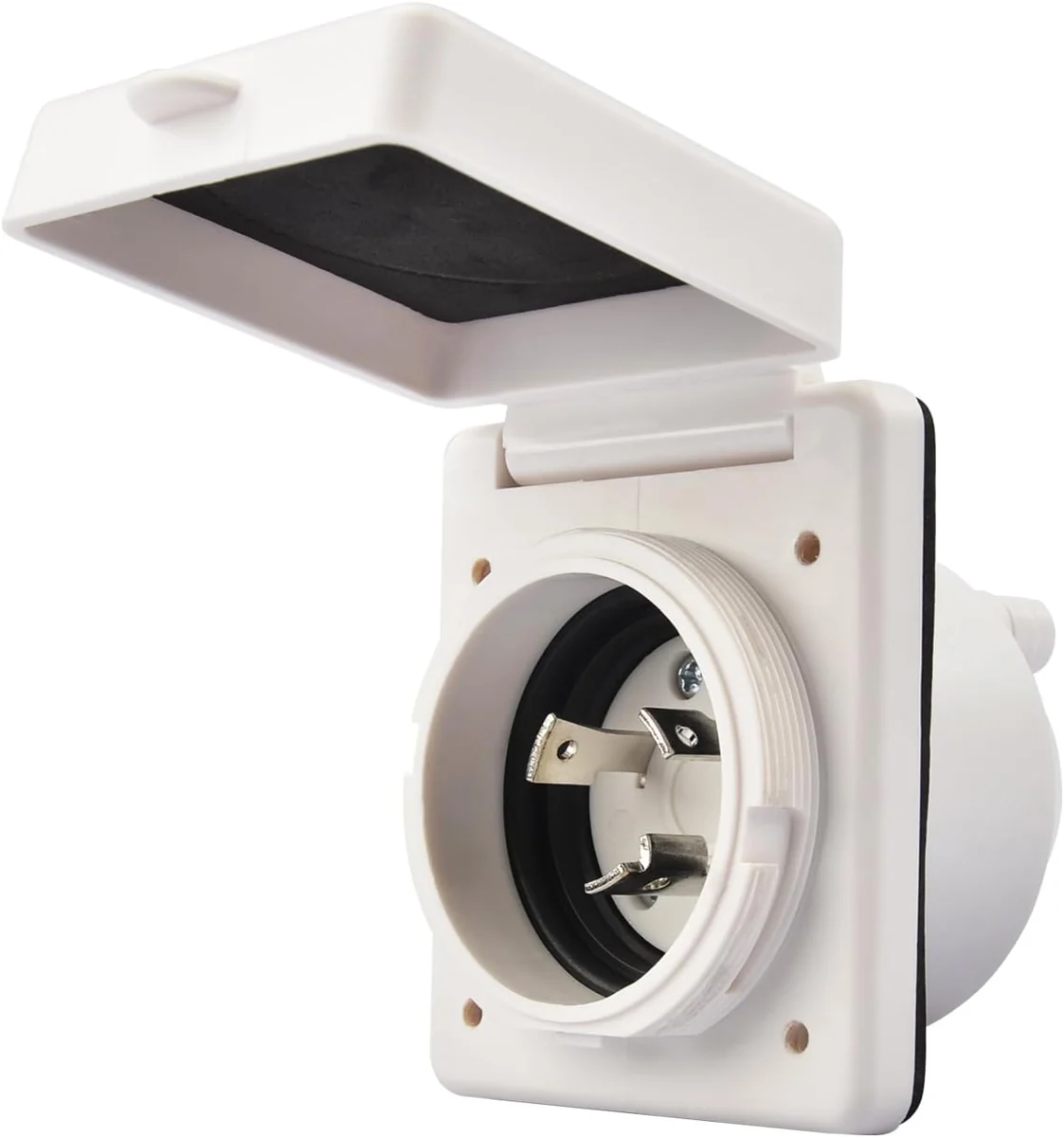
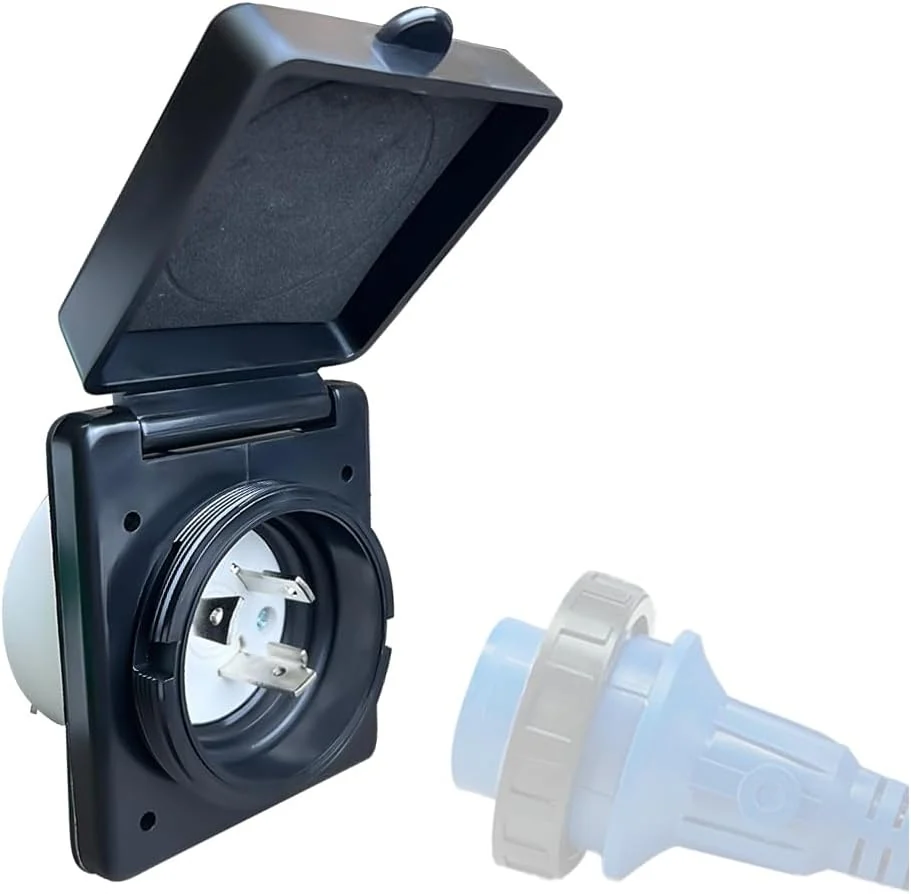
The Veepeak inlet supplied a covered L5-30P connection with a mounting flange.
A grouped roof-wire connection before the final conduit work.The larger roof enclosure during my cable-entry work.
My Takeaway from This Job
All three options keep the L5-30P connector pattern. The useful physical comparison is the flange and cover design around that connection, including the white RVGUARD housing.
Compare the flange and cover within the shared L5-30P pattern.
Product Details And Van-Build Uses
Specification
Product Detail
Model Family
RV100R
Pattern
NEMA L5-30P
Format
Covered fixed inlet with flange
The fixed inlet needs space at the panel face and behind the flange. Draw the opening, mounting points and rear cable route together before choosing its position. The Veepeak reference identifies the L5-30P twist-lock pattern, which is distinct from the TT-30 cord-end plug elsewhere in the kit. For the van equipment record, keep the inlet identity with the mating cord connector and the actual mounting measurements so the complete connection can be identified later.