Grouping and positioning wires was part of the roof-conduit work. These adhesive bases are another routing purchase in my kit, with a different attachment format from the screw-mounted saddle bases.
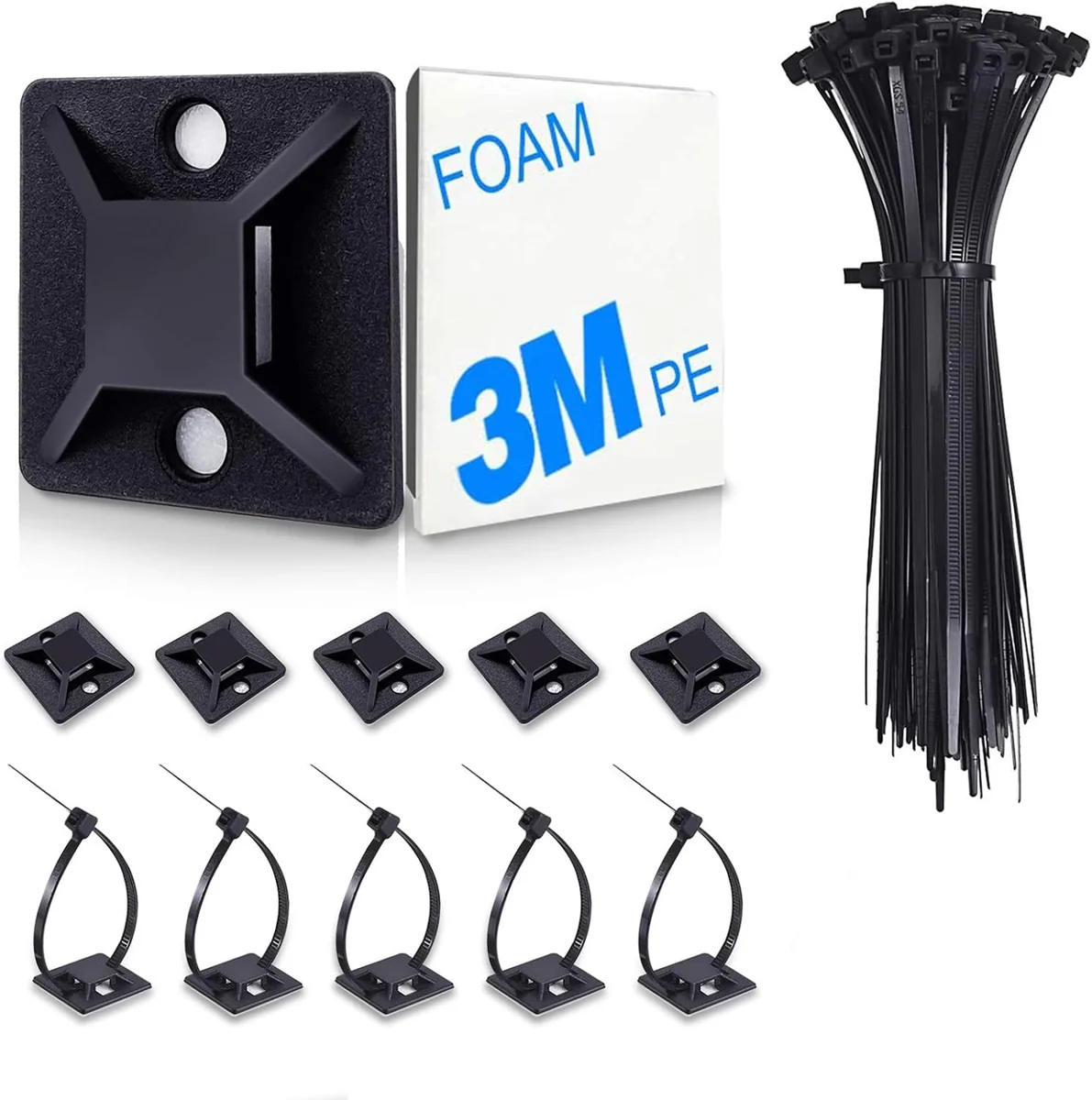
I bought XHF Adhesive Cable-Tie Mounts as part of my camper van equipment.
Grouping and positioning wires was part of the roof-conduit work. These adhesive bases are another routing purchase in my kit, with a different attachment format from the screw-mounted saddle bases.
Comparing the Attachment Base Along a Cable Path
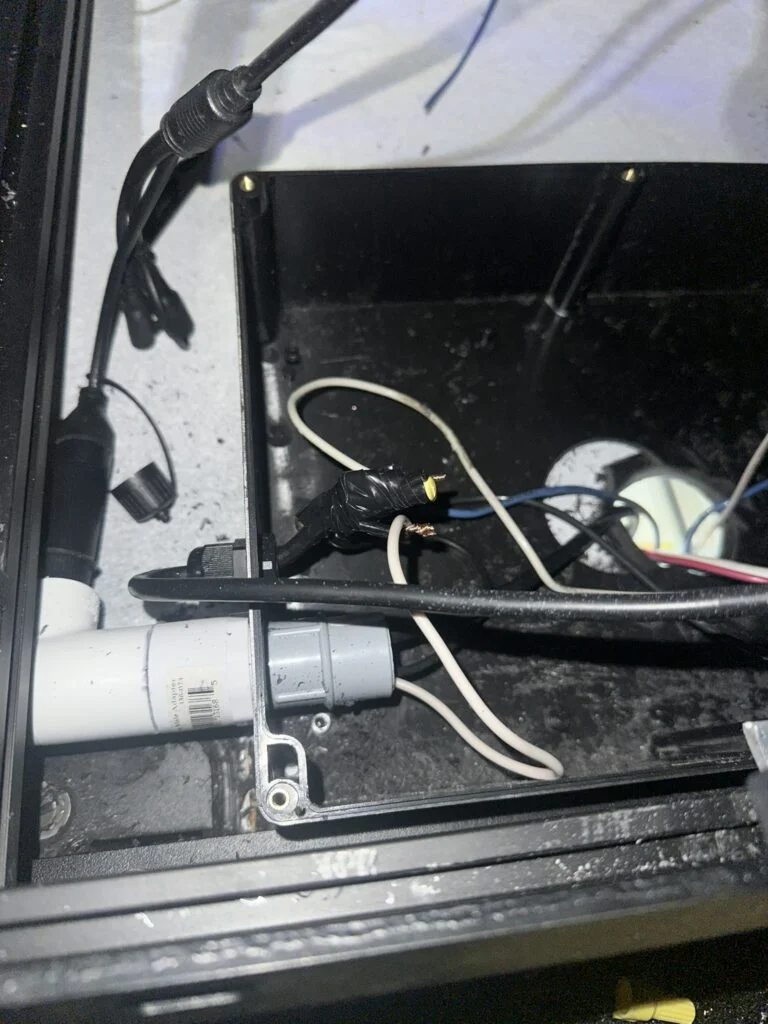
I grouped the roof-light wires and camera cables around the conduit entries.
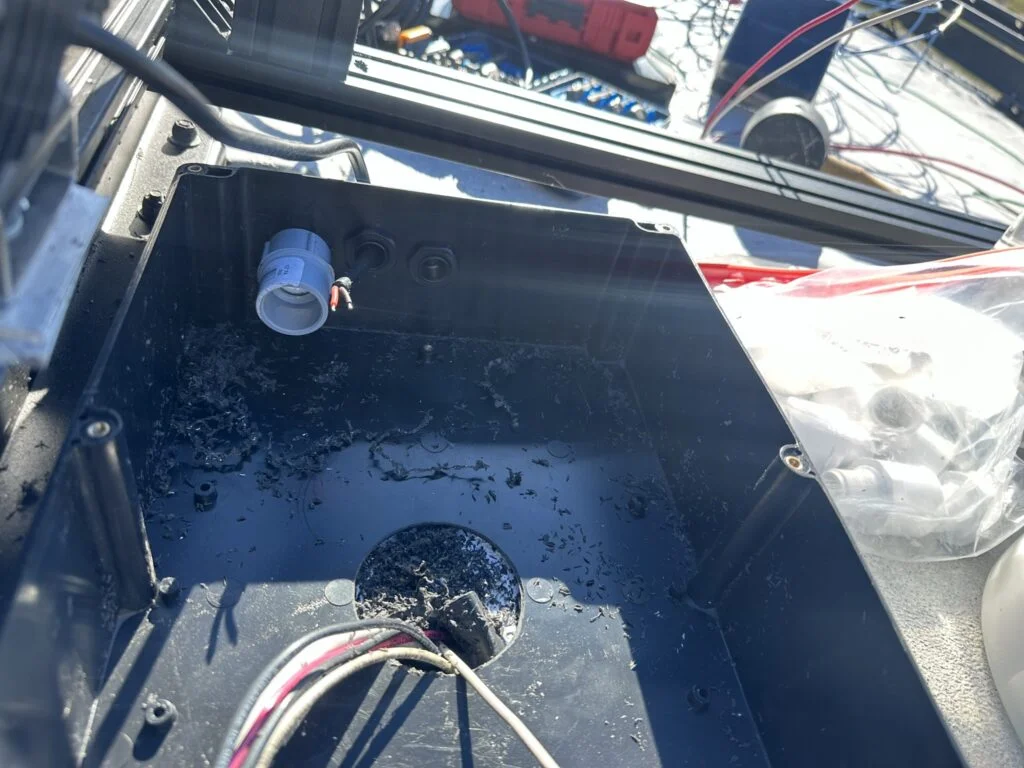
I worked through the drilled boxes, threaded fittings and glands before completing the route.
I bought adhesive cable-tie bases alongside the screw-mounted routing supplies.
A grouped roof-wire connection before the final conduit work.The larger roof enclosure during my cable-entry work.
My Takeaway from This Job
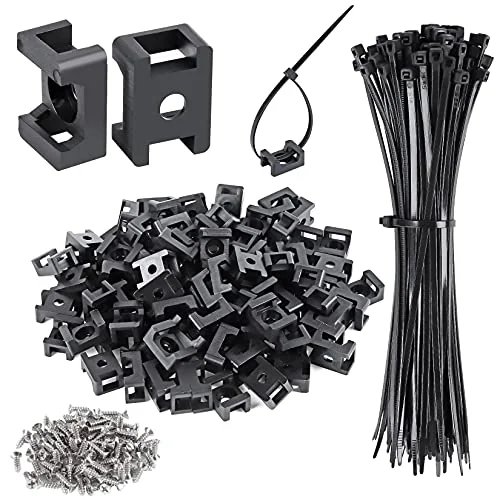
The open-box and grouped-wire photographs show the intermediate routing work. The XHF and HUASAI options use adhesive-backed bases with separate ties; the saddle alternative changes the surface attachment to screws.
Adhesive bases and screw-mounted saddles use different surface attachments.
Product Details And Van-Build Uses
Specification
Product Detail
Base
Adhesive-backed mount
Tie Path
Passages through the base
Function
Locates a tied bundle
The base locates a cable tie against a surface, while the tie forms the loop around the wires. Mark the bundle route before choosing the base positions, including the places where individual device leads branch away. For a van cabinet or equipment board, the physical surface and tie direction belong in the same sketch. Keeping those details with the mount reference makes the chosen attachment arrangement easier to identify after the surrounding panels are installed.
These saddle-style mounts attach to a surface with screws and guide a cable tie through the base. The tie and base form a separate anchor around a wire bundle.