The Item in My Kit
I bought FoamPRO Corner Paint Roller as part of my camper van equipment.
The van's painting work included long boundaries and smaller transitions between surfaces. My corner roller is a specialized application tool in the finishing kit I bought for the build.
Distinguishing a Corner Head from a Straight Roller
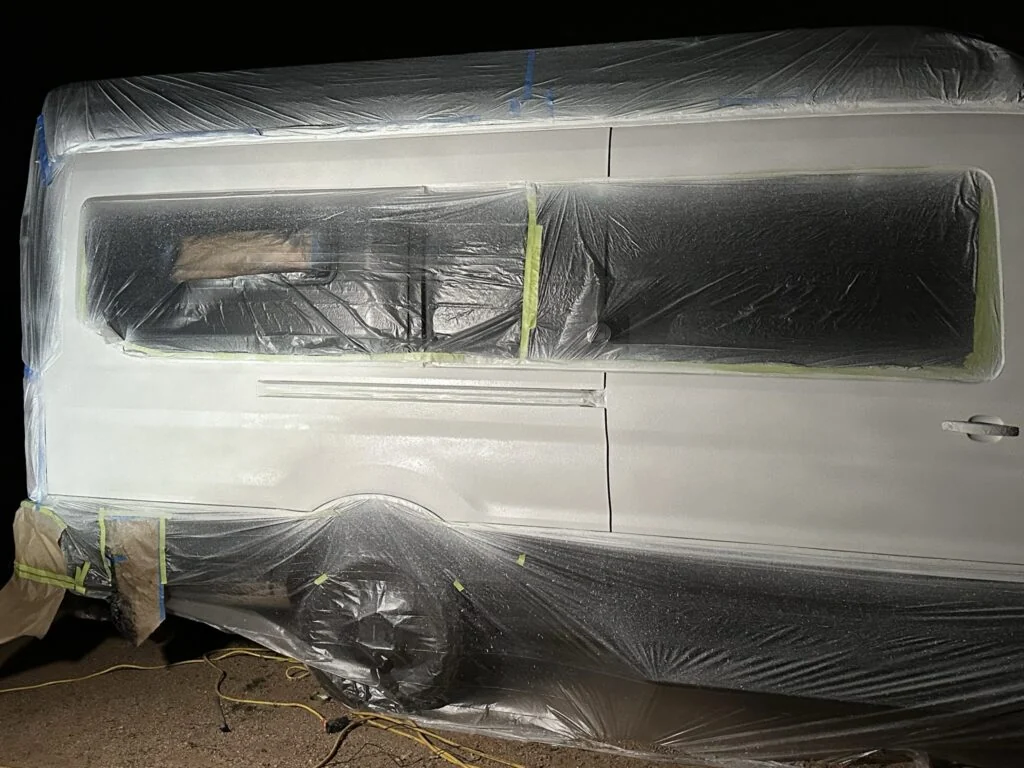
- I taped the coating boundaries and covered the surrounding areas.
- I sanded, cleaned and sprayed the exterior.
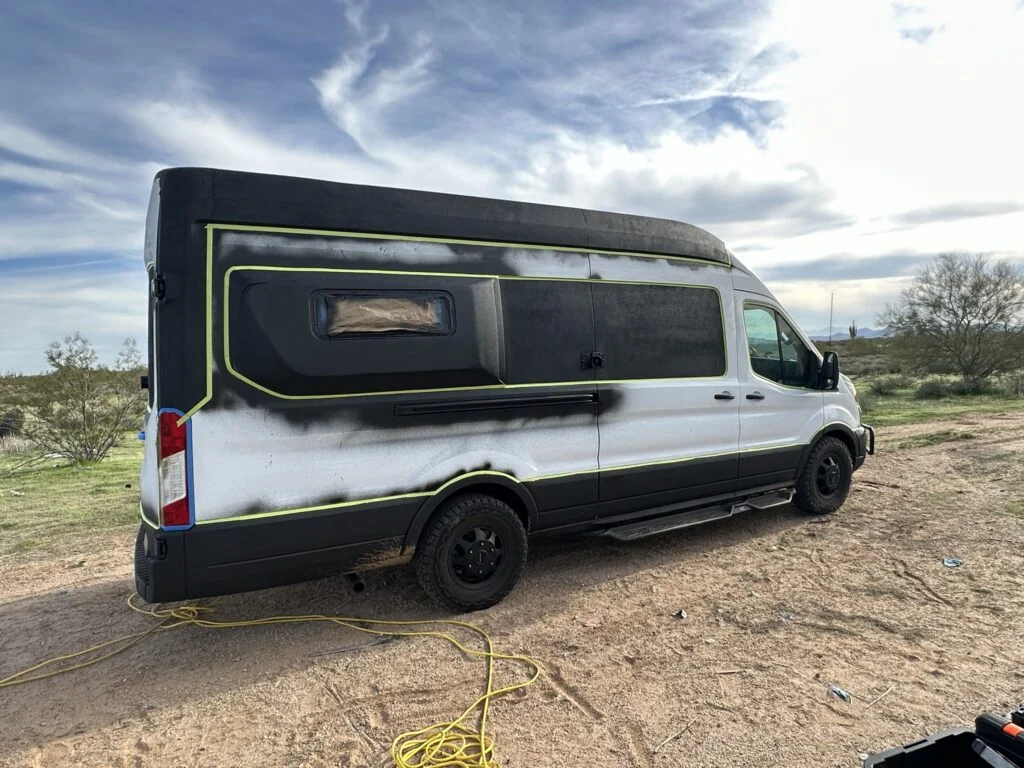
- I removed the masking after drying and recorded the touch-ups still needed at the edges and uneven areas.
Camper Van Project Applications
A corner roller is designed around access to an inside corner rather than a broad flat panel. Refill geometry and coating suitability are useful comparison points. Steven did not use this one on the van, so potential interior-finishing roles do not change that purchase status.
For a wider view of the build kit, see my van conversion tool checklist and budget versus professional tool comparisons.
Manufacturer Specifications And Instructions
| Specification | Manufacturer Detail |
|---|---|
| Manufacturer Model | No. 3 Corner Roller |
| Applicator | Shaped soft foam |
| Intended Area | Inside corners between adjoining surfaces |
FoamPRO’s catalog describes this shaped roller as a way to reach both sides of an inside corner. That makes its intended role different from a flat roller covering a broad panel. Possible camper-van uses include painted cabinet corners and other adjoining painted surfaces. I did not use this roller on my van, as recorded in my review below.
My Purchase and Use Status
I did not use this corner roller on my van. I do not have build experience with it to review.
Watch My FoamPRO And XDT Foam Roller Review
My shared review includes this corner roller as an unused purchase, alongside the separate nine-inch FoamPRO cover I used and the XDT rollers that failed during bedliner work.
Press Play To Start The Video.
Read The Video Transcript
Hi, I'm Steve Smith with Camper Van Freedom. Today I'm going through the FoamPRO and XDT foam rollers in my van-building supplies. The nine-inch FoamPRO covers worked for small jobs, the XDT foam tore off during my bedliner attempt, and the shaped FoamPRO corner roller stayed unused. Those are three different outcomes worth keeping separate.
The nine-inch FoamPRO cover was an inexpensive option for small painting jobs where I was not especially concerned about the finish. It worked for that purpose. I would put it in the craft-and-hobby category rather than choose it for a professional-looking result. The cover is the replaceable part that contacts the surface; the frame and handle are separate pieces.
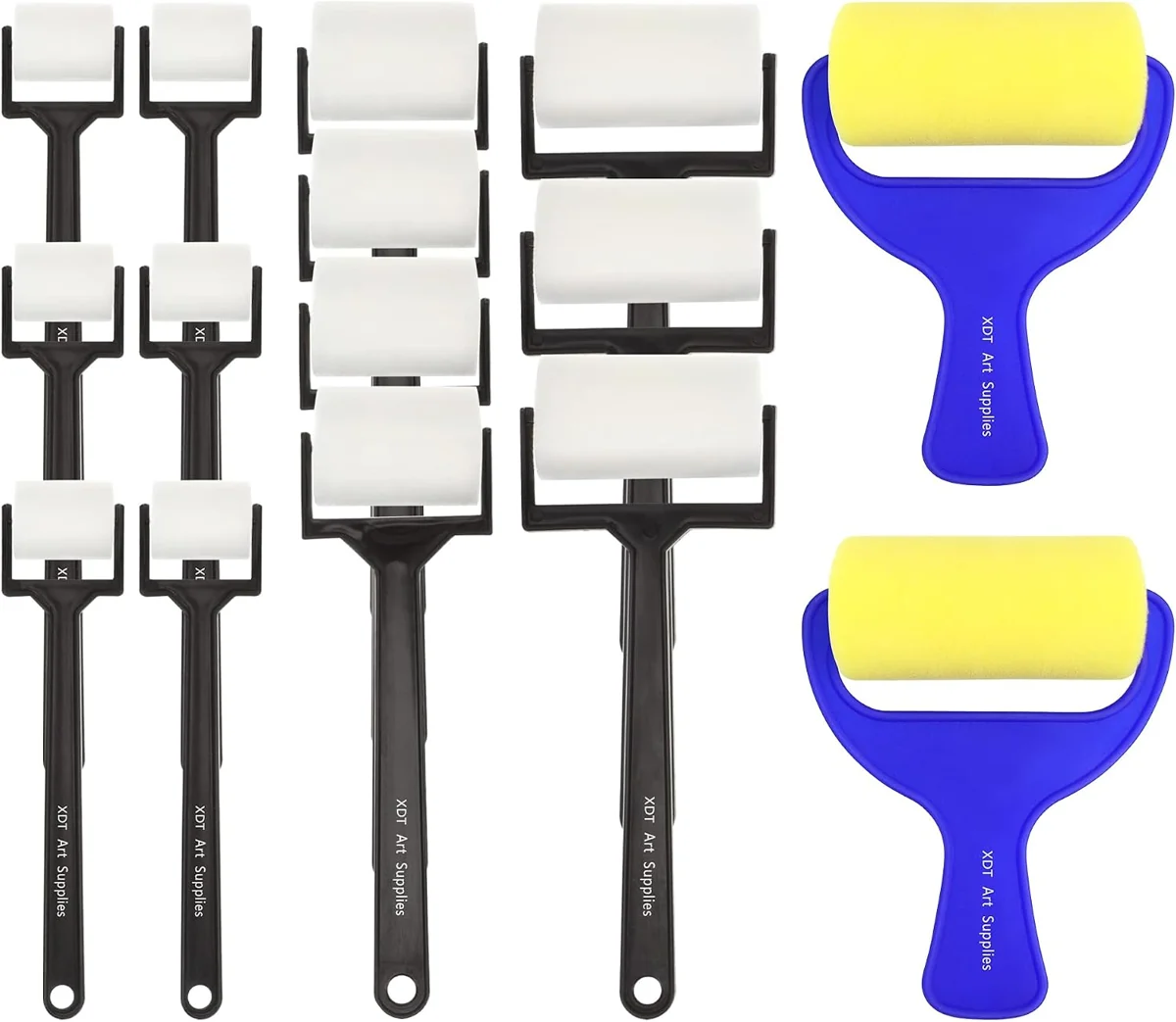
The XDT small foam rollers were a different experience. I bought these for bedliner, but the foam tore off immediately when I tried to use them. They were too flimsy for that job. I would reserve them for much smaller craft or hobby work. Small size was convenient in principle, but the material holding together mattered more in that application.
My exterior coating project explains why I was trying different applicators. I masked the van, sanded and cleaned the exposed areas, and sprayed the exterior coating. Some areas pooled or dripped. After a brush repair made one patch worse, my diary recorded a foam roller for the next touch-up. That plan and my later product experience are separate parts of the story.
The shaped FoamPRO corner roller was another purchase in the finishing kit, but I did not use it on the van. Its profile is intended for the meeting line between adjoining surfaces. The picture shows why it is a different format from a broad straight cover or the small XDT heads. My unused purchase does not add a performance result to compare with the two products I actually tried.
Comparing the contact surfaces makes the alternatives easier to understand. A broad foam cover, a small straight foam head, and a shaped corner head present different working faces. This moving painting footage illustrates roller work alongside my actual van photographs. The foam is the part contacting the coating, while the support and handle carry the head.
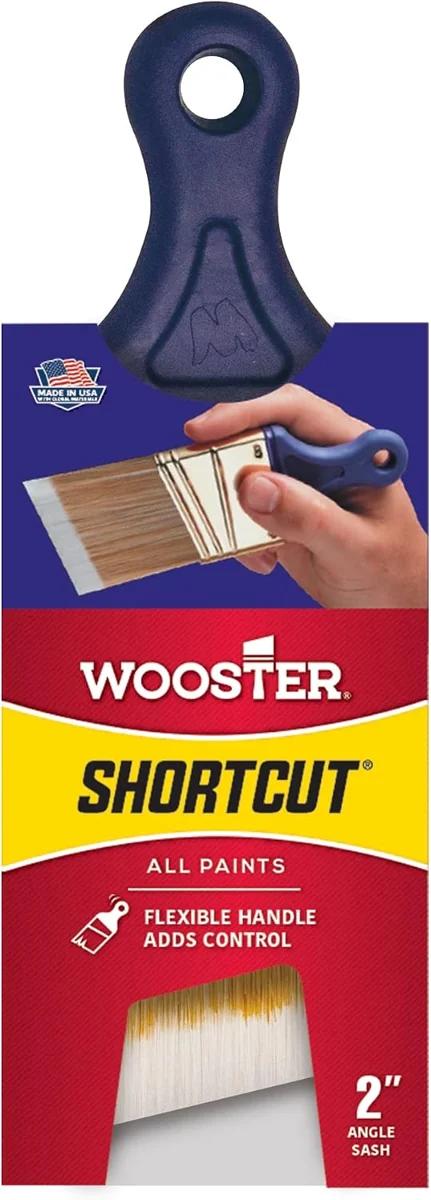
The nine-inch cover page also compares Wooster Super Fab fabric covers and the smaller XDT format. The corner-roller page compares XDT and the short-handled Wooster Shortcut angled brush. These pictures show the different formats. The Wooster products are shopping alternatives, rather than tools I am claiming to have used in this review.
For my bedliner comparison, the XDT page links the Custom Coat roller kit I also used. Those textured rollers lasted longer than others I tried, although they still gradually came apart. I prefer that experience over the immediate XDT foam failure. The full Custom Coat review is linked with the other product pages below.
Thanks for watching. I'm Steve Smith with Camper Van Freedom. You can find the matching pictures and Amazon buying options on the linked product pages. My takeaway: inexpensive FoamPRO covers worked for my basic small jobs, XDT did not hold up for my bedliner, and my FoamPRO corner roller remained unused. Until next time.
Watch This Review On YouTube · English Captions (VTT) · Download The Transcript
My Takeaway from This Job
My finishing purchases include different tools for broad areas and smaller transitions. The corner roller’s shaped head is the main distinction here; a straight foam roller and an angled short-handled brush make contact with the surface differently.