The Item in My Kit
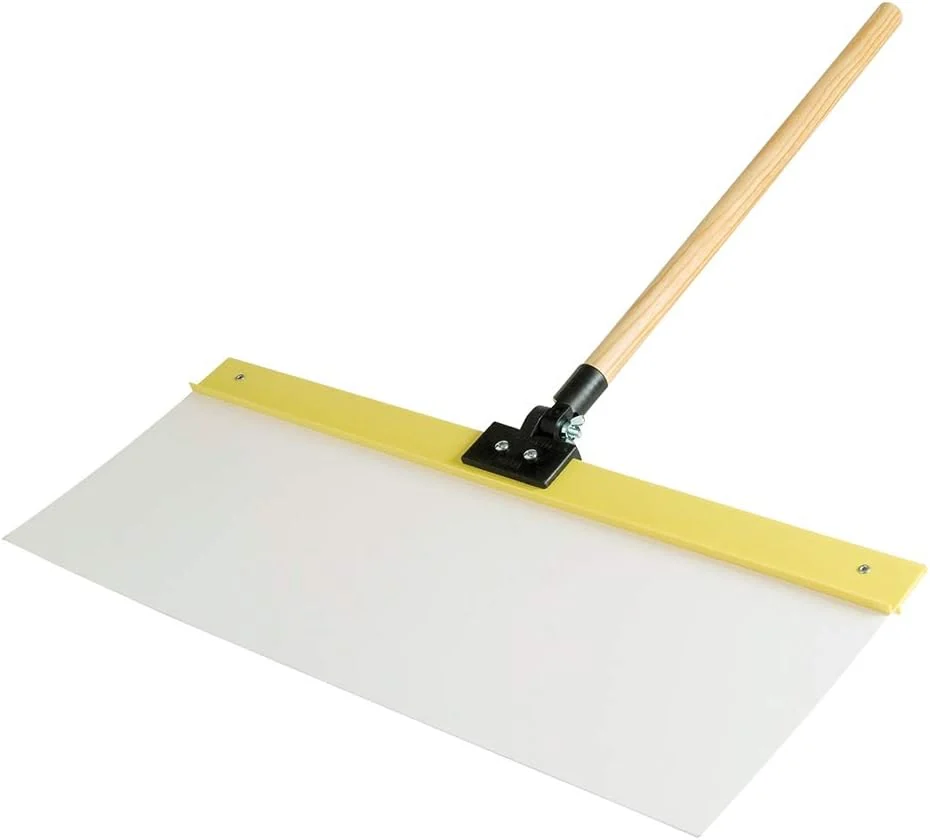
I bought Warner Plastic Spray Shield as part of my camper van equipment.
Masking the van involved both defining edges and covering broad areas. This handheld shield is another purchased painting tool for controlling the boundary of a smaller spray area.
Comparing a Movable Edge with Fixed Masking
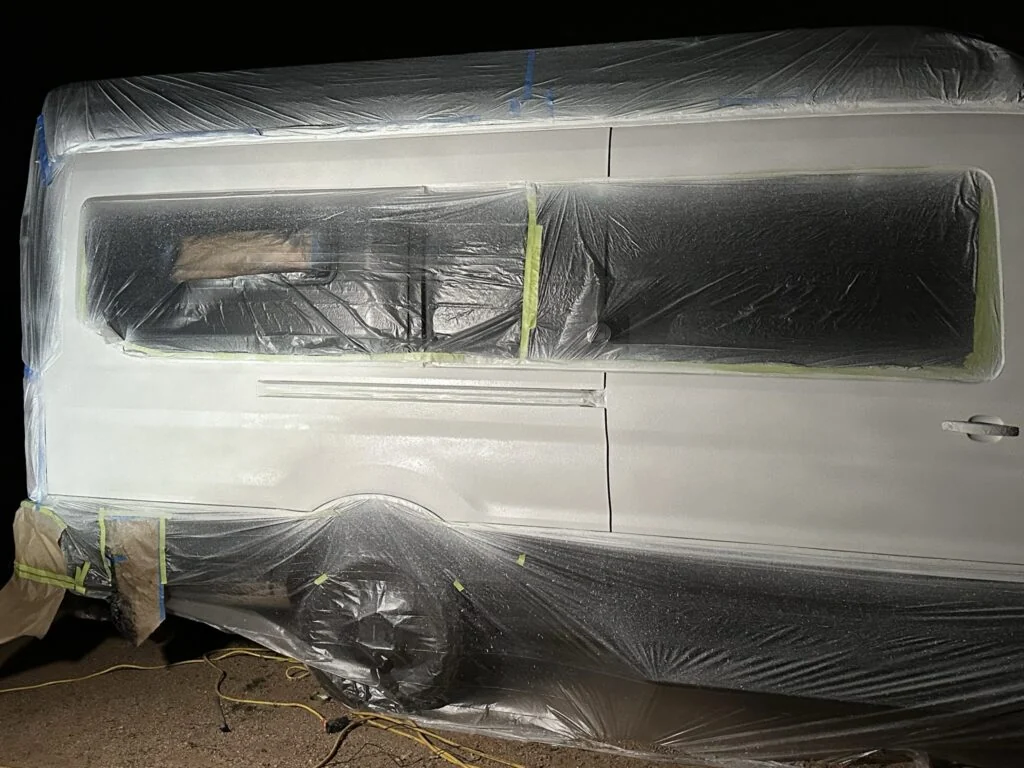
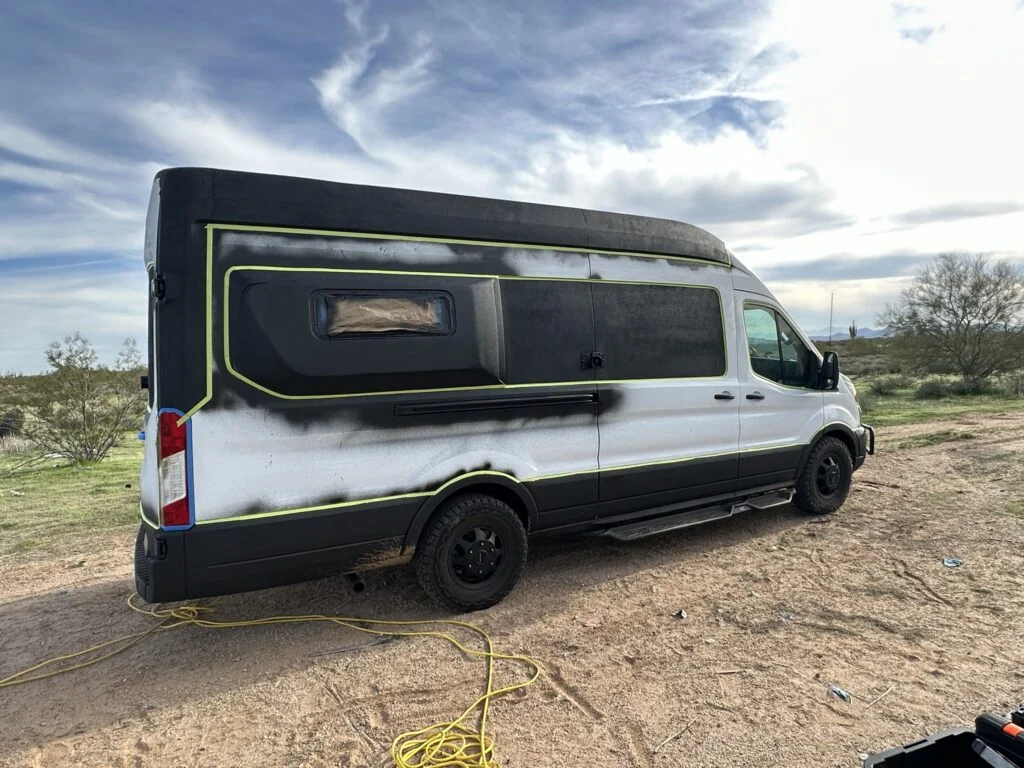
- I taped the paint boundaries and covered broad areas with plastic sheets.
- I prepared and sprayed the exposed van bodywork.
- My painting-tool purchases also included a handheld shield for a movable spray boundary.
Camper Van Project Applications
A spray shield is useful along a local boundary that needs protection from overspray. It complements the masking over the wider surrounding area. Its working edge, size and access around the panel determine where it is practical to hold it during the job.
For a wider view of the build kit, see my van conversion tool checklist and budget versus professional tool comparisons.
Manufacturer Specifications And Instructions
| Specification | Manufacturer Detail |
|---|---|
| Model | 305 |
| Shield Width | 24 inches |
| Handle | 12-inch pivoting plastic handle |
| Shield Material | Plastic |
Warner’s catalog identifies model 305 as a plastic spray shield with a pivoting handle. The broad edge provides a movable paint boundary, which is useful to compare with fixed masking when working along a panel edge.
My Experience with This Tool
I used this shield to keep bedliner and paint off areas I did not want to spray. It worked well.
Watch My Warner Spray Shield Review
My narrated review covers the shield I used to keep bedliner and paint off unwanted areas, alongside the role of fixed masking.
Press Play To Start The Video.
Read The Video Transcript
Hey, I'm Steve Smith with Camper Van Freedom. I used this Warner plastic spray shield to keep bedliner and paint off areas I did not want to spray. It worked well. Its role was a movable barrier at a local edge, alongside the wider masking used around the van.
The shield has a broad plastic panel and a pivoting handle. The panel provides the working edge, and the handle lets that barrier be positioned beside the area being sprayed. Those two parts make its purpose easier to understand than the product name alone.
Spraying involves a coating area and the surrounding surfaces. A handheld shield puts a movable panel beside a local boundary. Fixed masking uses tape and covering film that stay on the surface. They change how the covering is positioned as the work progresses.
During my van's exterior coating project, I taped paint boundaries and covered broad areas with plastic. The photographs show that larger masking layout around the bodywork. The Warner shield was another painting tool in that setup, and my direct experience was that it kept paint and bedliner off the areas I was protecting.
The useful comparison is a movable edge against a fixed covering. The shield can move with the work, while a taped sheet remains attached over a wider area. Looking at both jobs explains why a shield and masking plastic can belong in the same painting kit.
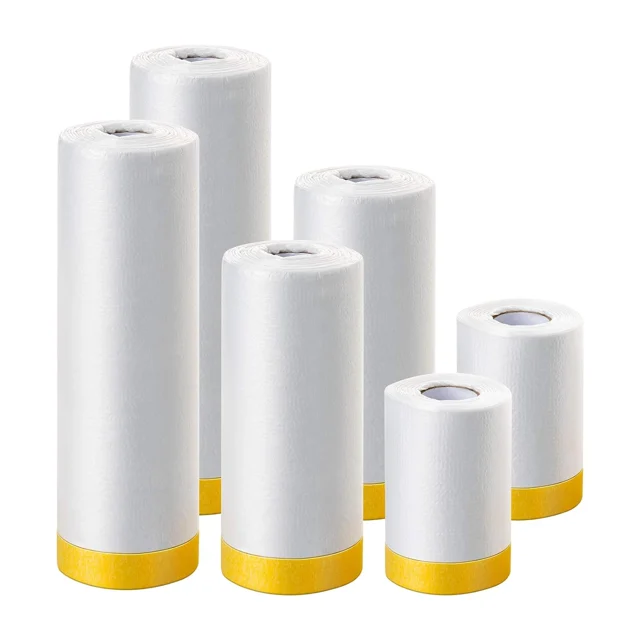
My full page compares the Hyde ProShield, another handheld plastic shield, with MyLifeUNIT tape-and-drape masking film. The film combines a taped edge and folded covering material. Those alternatives illustrate the two covering approaches; this review of what I used is about the Warner shield.
Thanks for watching. I'm Steve Smith with Camper Van Freedom. The Warner spray shield worked well for keeping paint and bedliner off unwanted areas during my build. Read the full review to see the matching tool, my coating-project photographs and the alternatives. See you on the next project.
Watch This Review On YouTube · English Captions (VTT) · Download The Transcript
My Takeaway from This Job
The full-van masking stayed in place throughout the coating stage. A handheld shield changes that workflow to a barrier that moves with the work; the tape-and-drape alternative returns to a fixed covering on the surface.