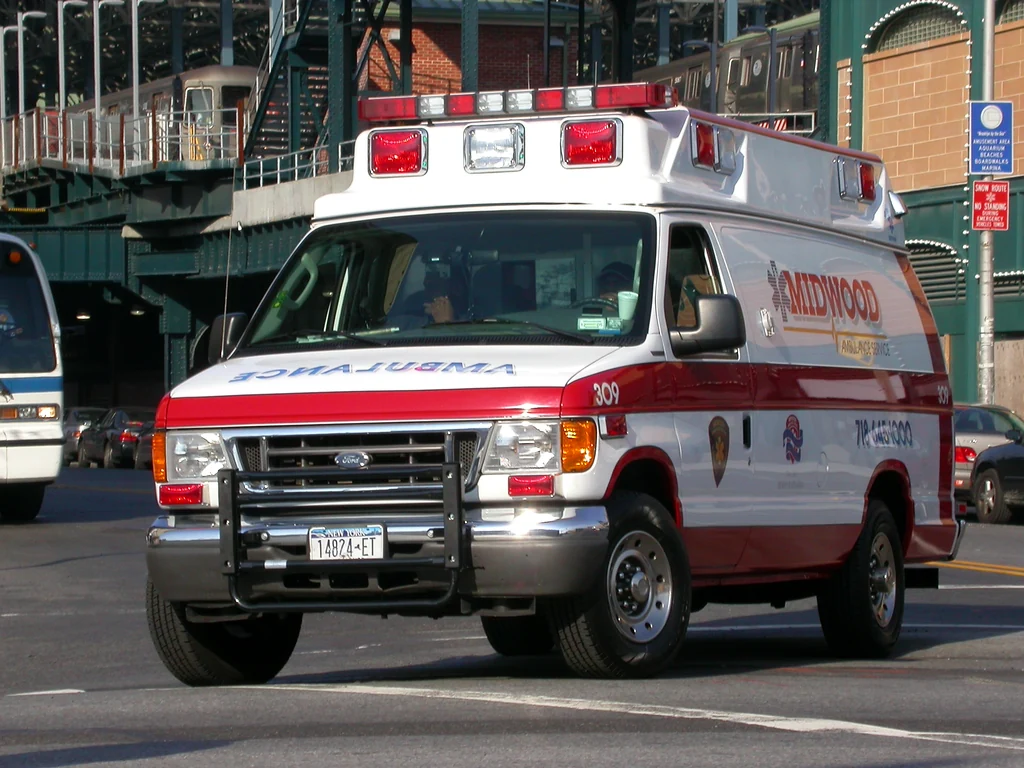
An ambulance camper conversion can begin with far more installed equipment than an empty cargo van. That makes the first useful job a handover plan: identify the chassis and body, record what remains, and decide which parts genuinely belong in the camper brief. I would do that before celebrating the cabinets or sketching a mattress across the patient compartment. Existing equipment is a starting condition, not automatically a completed camper system.

My own project is a 2023 high-roof extended Ford Transit. I built its interior around aluminum extrusion, black-and-gray carpet and the living functions I wanted. An ambulance would present a different starting point, with more original interfaces to understand. I would use the same practical discipline from my build: keep the evidence for each part, draw access before enclosing it, and separate a proposed use from something already verified in the vehicle.
Identify The Chassis And Body Separately
I would open the project record with two identities: the vehicle chassis and the ambulance body. The listing title might mention only the familiar vehicle brand, while the fitted module has its own manufacturer and documentation. Both records matter when finding the right doors, panels and system information. I would photograph the identifying plates and keep the original seller material beside them rather than reduce the donor to a single model name.
Braun's manufacturer explanation distinguishes a Type I ambulance on a truck-style chassis from a Type III on a cutaway van chassis. That is useful terminology for organizing the shortlist, not a substitute for the candidate's actual record. I would identify the type, then confirm the precise chassis and body. A camper idea drawn inside one rectangular module should not quietly borrow dimensions or access details from a different body that happens to look similar.
Record Any Chassis And Body History
I would ask for the available chassis and body history separately, including any documented remounting. Braun publishes remount information, which illustrates why the body and its present chassis should retain distinct records. I would not assume that the date or identity attached to one establishes the history of the other. The exact records available for the candidate should stay together in the project folder.
Next I would make a simple timeline of verified work and unresolved items. Each entry would name the source rather than turn a seller's broad description into a detailed service claim. This makes the later conversion plan easier to scope. If the donor needs work before furniture can be fitted, that work belongs in the project budget and sequence. It should not be hidden beneath the appeal of an already finished-looking patient compartment.
Photograph The Donor Before Removing Anything
I would begin with wide photographs of the cab, compartment, roof and exterior access areas, followed by closer photographs of labels, controls and visible connections. Then I would name those images consistently so the original position of a part can be found after it moves. The first set should preserve the donor as received, including unfinished or disconnected features rather than only the attractive surfaces.
I would use the images to build an inventory, not to claim that a system's purpose or condition is known from its appearance. Each visible cabinet, enclosure and access panel would get a location and an identity field. A blank field is a research task in the private record. The camper drawing can then distinguish known retained features from proposed changes without turning unidentified equipment into a benefit that has already been earned.
Define What The Camper Must Do
Before evaluating the original cabinets, I would write a trip brief. How many people travel? Where does each sleep? Is computer work part of the day? What food routine and belongings need space? Those answers provide a way to judge the donor's existing layout. Otherwise, every original compartment can seem worth keeping simply because it is already there, even when it makes the intended camper harder to use.
My Transit contains dedicated functions suited to my build. I would use those as prompts, not a furniture template for the ambulance. The new brief should distinguish activities that need permanent positions from activities that can share space. Once those requirements are clear, I would compare them with the donor inventory and identify the smallest set of changes that completes the intended routine. That turns reuse into a deliberate design choice.
Sort The Inventory Into Keep, Change And Remove
I would give every original feature one provisional status: keep, change or remove. Beside that status I would write its role in the camper and the evidence still needed to finalize it. A cabinet kept for food storage needs useful access and suitable dimensions. An enclosure retained for equipment needs an identified purpose. The status should explain the design, rather than reward the donor for containing the largest number of original parts.
I would also preserve a fourth category in private notes for unresolved items. That keeps the draft honest while research continues without inserting public warning language around every paragraph. The conversion sequence should not depend on those items until their role is understood. As the information improves, I would update the same inventory instead of producing disconnected lists that disagree about what the donor contains and what the camper actually uses.
Draw Existing Cabinets At Their Real Depth
I would measure the cabinets and aisle at the heights used by the camper. An upper cabinet can affect seated or standing movement even when the floor plan looks generous. A lower cabinet can interfere with the bed or with reaching an exterior compartment. I would record doors and drawers in their open positions as well as the closed outline, because opening space is part of their footprint.
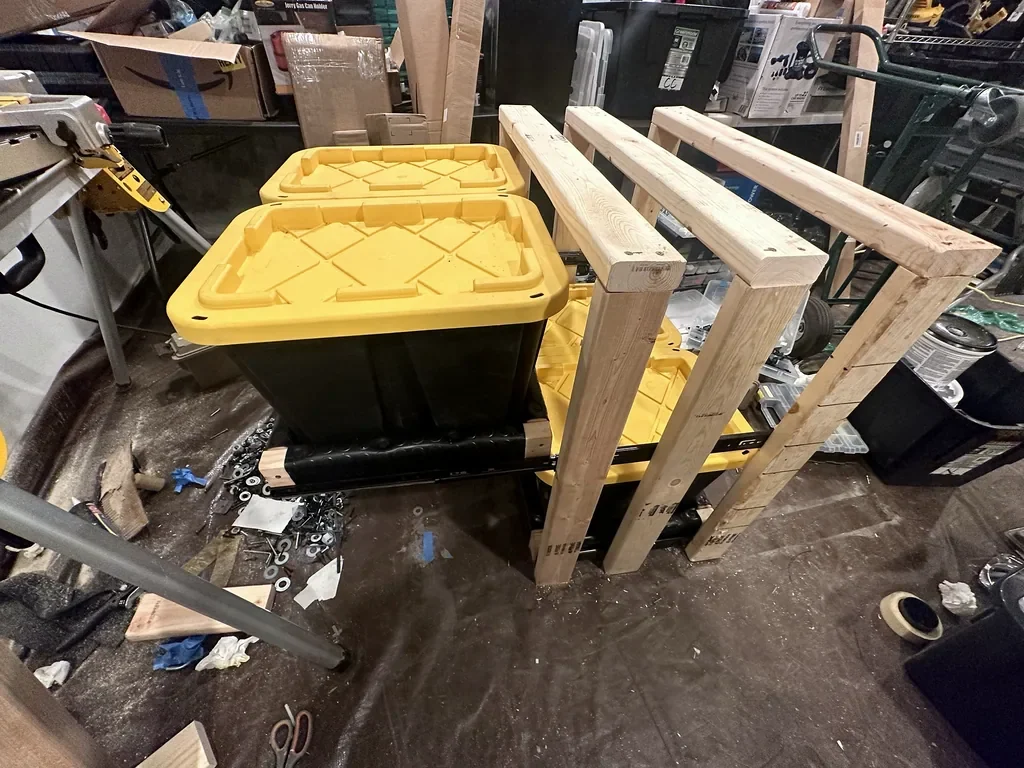
Then I would test the planned contents. A narrow original compartment may suit a specific group of small items, while a larger one may be awkward for the luggage already owned. I would avoid calling the interior organized merely because it contains many doors. The useful test is whether the intended equipment can enter, be reached when needed and be returned without moving several unrelated objects. Those movements belong in the layout comparison.
Give Exterior Compartments A Camper Role
I would inspect each exterior compartment as a distinct storage position, recording its opening, internal shape and available documentation. Then I would assign potential contents according to the trip routine. Equipment used outside might fit one access pattern; items needed from bed require another. The existence of an outside door does not automatically make the space useful for the most important camper belongings.
I would rehearse arrival and departure with the doors in use, including where the person stands and where removed equipment rests. The finished exterior envelope and operating space should be checked against ordinary stops. A camper can have excellent compartment volume yet require awkward unloading in the places it actually visits. I would preserve that difference in the plan, using photographs and actual container dimensions rather than a general statement about plentiful storage.
Separate Existing Electrical Equipment From The New Design
I would inventory visible electrical equipment and available labels, then seek the body-specific documentation that explains the original installation. Existing controls, wiring and enclosures should retain their original identities in the record. I would not use an attractive control panel as proof that the camper's intended equipment has an established power arrangement. The new requirements and the donor's actual system are two separate inputs that need reconciliation.
At the layout stage, I would reserve space for the selected camper design and its access, keeping unconfirmed reuse out of the final equipment list. If an original component is retained, the record should show what it is and the role it serves. My Transit electrical pages can provide documented project context, but they do not establish a design for an ambulance donor. The goal here is a clear handover between original equipment research and the new system plan.
Keep Removed Equipment And Remaining Interfaces Together
Removing a component can leave openings, brackets, cables or other interfaces that still affect the interior. I would record those as part of the removal job rather than mark the whole area complete when the visible box is gone. Each change would have before-and-after photographs and a note describing the remaining work. That keeps later furniture from concealing unfinished interfaces that the plan has simply forgotten.
I would also keep the identity and destination of removed parts in the private project record. The point is not to retain everything indefinitely; it is to preserve enough information to understand what changed. For the camper layout, the output is an accurate starting surface and a known access requirement. A clean drawing should represent completed preparation work, not erase work that still has to happen before the wall or cabinet can be finished.
Design The Cab-To-Living-Space Boundary
I would photograph and measure the connection between the cab and the body, including its actual operating arrangement. That boundary can influence daily movement, storage and the placement of furniture near the front of the living area. I would not assume that every ambulance type provides the same route or that an opening visible in one manufacturer's photograph matches the candidate.
Then I would rehearse the intended travel and camp routines. Which items must be reached from the cab? What happens after parking? Does a storage box occupy the space used to move into the living area? The design should show those actions directly. A partition can be a deliberate choice, and so can a usable connection, but either needs to fit the actual donor. The boundary deserves its own measured detail before the rest of the interior becomes crowded.
Put The Bed In A Fully Occupied Layout
I would draw the mattress, bedding, people and the route into the bed before deciding which original cabinets remain beside it. Then I would test seated headroom and the path to the relevant door. A large rectangular body can still contain awkward furniture relationships. The apparent size of the room should not substitute for checking the exact sleeping and access positions.
If the bed converts from another function, I would list every piece that moves and where it goes. If it stays permanent, I would check which original compartments it covers and how their contents remain reachable. My bed planning guide provides the wider comparison. This ambulance article should focus on how that decision interacts with the donor's actual retained interior.
Give The Galley A Complete Work Sequence
I would plan food storage, preparation, serving, cleaning and packing as one sequence. Original countertops and cabinets may help, but I would test their heights and access against that routine. A surface previously used for a different job should earn its place in the camper through the functions it supports now. The layout should identify what changes around it rather than simply rename it a kitchen.
I would also reserve space for the actual selected equipment and its requirements once known. Generic outlines are useful for an early drawing, but the finished cabinet needs real component dimensions and access. The same is true of water containers and their handling route. I would keep the original body interfaces in view while developing this part of the camper, so a convenient-looking corner does not become a collection of assumptions hidden behind a new front panel.
Retain Service Access Through The Finish Plan
I would create an access schedule before finishing the interior. Each entry would name the original or new component, how its access opens, the space needed to reach it and any furniture that moves first. Photographs should show both the closed surface and the open working position. This makes access a property of the finished design rather than a vague intention recorded during demolition.
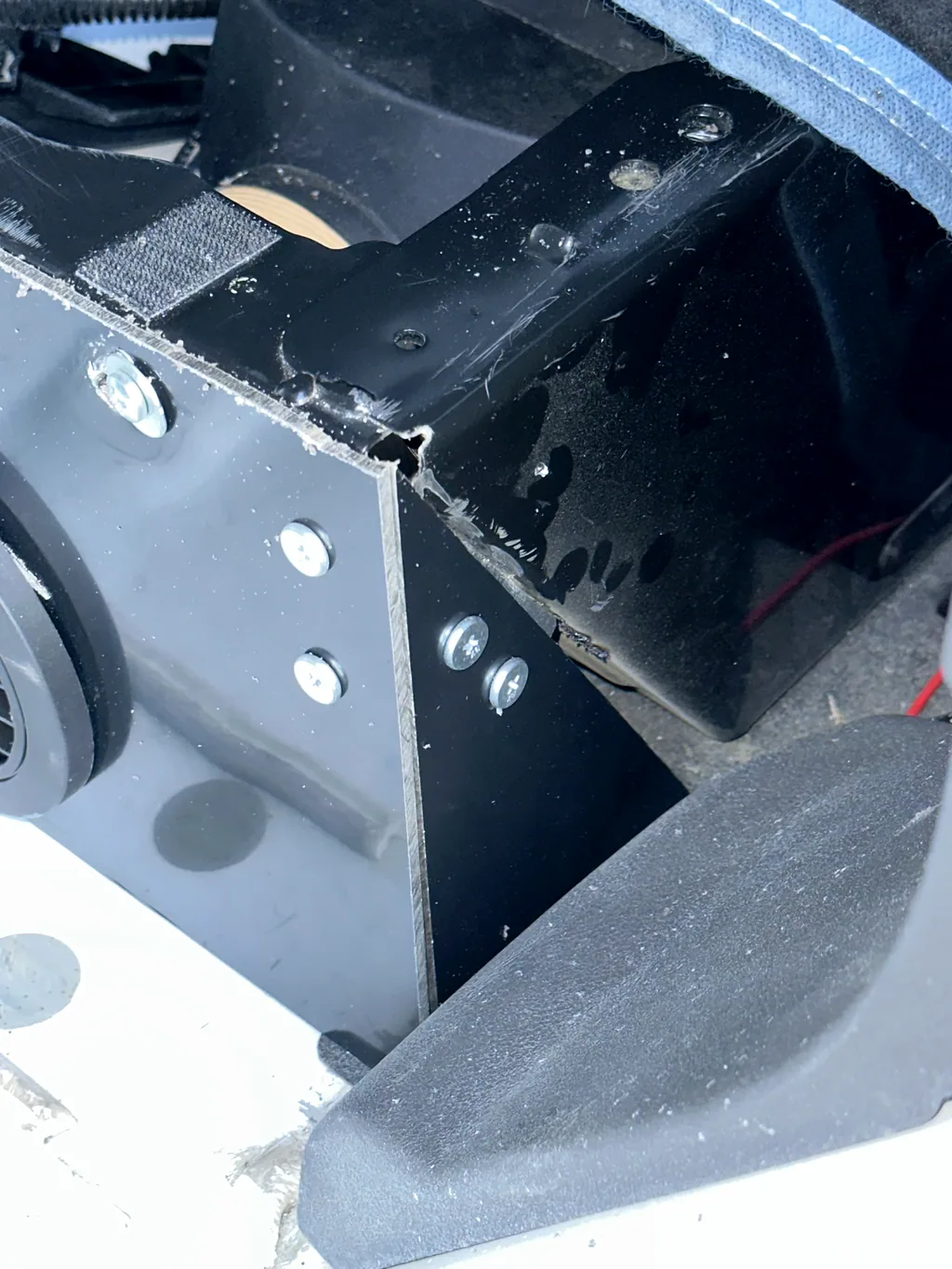
Then I would repeat the check with storage full and the bed made. A panel can remain technically removable while being impractical to reach beneath trip equipment. If the access depends on unloading, I would record the sequence and decide whether that is acceptable for the particular task. The important point is to choose deliberately. I would not describe every original enclosure as useful retained equipment unless its identity, role and access actually support the camper brief.
Use A Finished Weight Inventory
I would separate the donor's starting condition from the proposed camper inventory. Removed equipment, installed furniture, replacement parts, people and trip-packed belongings belong on distinct lines so they can be reconciled consistently. A body that appears ready-made does not eliminate the need to understand the finished configuration. The individual vehicle's own records should stay with that inventory.
I would avoid substituting a general ambulance model figure for the candidate's information. The camper weight-budget guide explains the broader bookkeeping method. For this project, I would use it to prevent the keep-and-remove list from drifting away from the actual vehicle. The final plan should show which original parts remain, what replaces removed equipment and which travel items are additional, rather than assume that reuse automatically leaves a generous allowance.
Budget For Investigation And Interfaces
I would divide the budget into vehicle acquisition, work needed before conversion, documentation and investigation, removals, retained-equipment changes, new furniture, systems and finishes. Then I would add the connections between those categories. The appeal of existing cabinets can make the project look nearly finished while the work required to adapt them remains unpriced. Each retained feature should have a clear scope of work beside it.
I would use current quotes for identified tasks and keep unresolved items separate rather than assign a reassuring single total. The conversion budget guide provides the wider method. In an ambulance project, the useful addition is the distinction between buying space and completing a handover. A lower furniture-material list does not by itself tell me the total work needed to turn this donor into the camper described in the trip brief.
Compare Reuse Against Replacement One Feature At A Time
I would compare each major retained feature with a specific replacement concept. For a cabinet, the comparison includes access, usable interior dimensions, finish work and the effect on the surrounding layout. For equipment, it includes identity, intended role and the work required to incorporate it. I would not make the decision from appearance alone or presume that keeping the original always saves time.
The comparison should end with a short reason tied to the camper brief. A cabinet might stay because its access and dimensions suit the actual inventory. Another might change because it blocks the sleeping arrangement or an important service position. Recording those reasons makes future changes easier to evaluate. It also avoids a conversion that slowly loses its coherent plan because every original feature has been preserved separately without considering how the complete interior works.
Rehearse A Packed Day In The Proposed Camper
My mockup would include the trip inventory, retained cabinets and the proposed bed. I would enter, retrieve food, use the work position, change clothes, make the bed and reach the night items. Then I would pack up and check the original access points that the new furniture surrounds. This makes the donor's existing layout participate in the test rather than sit untouched around an idealized sleeping platform.
I would photograph specific conflicts and change the proposal in response. A drawer blocked by bedding, a compartment reachable only from outside or a cab route occupied by luggage each suggests a different solution. The useful result is a set of observed layout changes, not a claim that an ambulance is inherently the best camper shell. The donor earns its place through the complete routine and the work needed to finish it.
Create A Handover Packet Before Building
I would finish this stage with the chassis record, body record, original photographs, inventory, retained-equipment decisions and measured camper layout in one packet. Each unresolved item would name the next action that can settle it. That might be obtaining a body document, measuring an opening or receiving a scoped quote. The packet should let the next work session begin with a clear task rather than another broad examination of the entire vehicle.
This is the practical distinction I would preserve between an ambulance conversion and an empty-van build. The starting interior contains more history and more interfaces, so the project benefits from an explicit handover. Once that is complete, the new camper can be designed around the intended trip instead of around assumptions about what an ambulance must already provide. The finished result begins with understanding the donor, not with counting its cabinets.
Keep A Change Log For The Original Body
I would keep one chronological change log tied to the donor inventory. Each completed change would identify the original feature, the new camper role and the evidence showing what was actually done. The log should distinguish a decision from completed work. A cabinet marked for removal is still part of the vehicle until it has been removed, and a proposed replacement should not appear as installed equipment simply because it has entered the shopping list.
This becomes useful when the conversion moves between research, preparation and furniture work. The next session can read the current state without reconstructing it from scattered photographs. I would keep source files untouched and add separate annotated working copies where needed. The objective is an accurate handover between tasks, preserving enough detail to understand the original interfaces while avoiding repeated investigation of questions that have already been settled.
Make The Next Supplier Conversation Specific
Before contacting a body manufacturer or service provider, I would collect the relevant identity, photographs and exact question. Asking how a named access panel is intended to operate is more useful than asking whether an ambulance is suitable for conversion. I would save the answer beside the inventory entry it resolves, then update the drawing and work list. That keeps outside research focused on a concrete interface and gives the project a measurable next step instead of another broad opinion about the donor.
Frequently Asked Questions
Does An Ambulance Already Have Everything A Camper Needs?
I would judge the actual inventory against the camper brief. Existing cabinets and equipment have original roles that need to be identified. Some may fit the new project; others create adaptation or removal work. The useful answer is a documented keep-and-change list, followed by a layout that explains how the retained parts support the intended routine.
Why Keep Two Vehicle Records?
The chassis and fitted body can have different manufacturers and histories. Keeping them separate helps locate the relevant documents and prevents a familiar chassis name from standing in for every feature of the module. If remounting is documented, preserve that history with the candidate rather than infer it from a model year or a photograph.
What Would I Do Before Buying Furniture?
I would identify the donor, photograph it fully, create the retained-equipment inventory and mock up the bed and main access routes. Then I would price the specific preparation and interface work. The used-conversion viewing guide supports the wider viewing process while the ambulance handover packet keeps the chassis and body questions together.
Manufacturer References
The vehicle-type terminology comes from Braun's Ambulance Types explanation. Its ambulance remount literature provides manufacturer context for keeping body and chassis histories distinct. These references inform the project record; the actual donor's documents and measured condition govern its conversion plan.