When buying a used camper van conversion, I would look at the vehicle and the living installation as two connected subjects. A van can have an appealing interior while leaving important questions about what is fitted, how it is accessed and what work remains. A useful viewing turns those questions into a record you can compare with another actual vehicle.
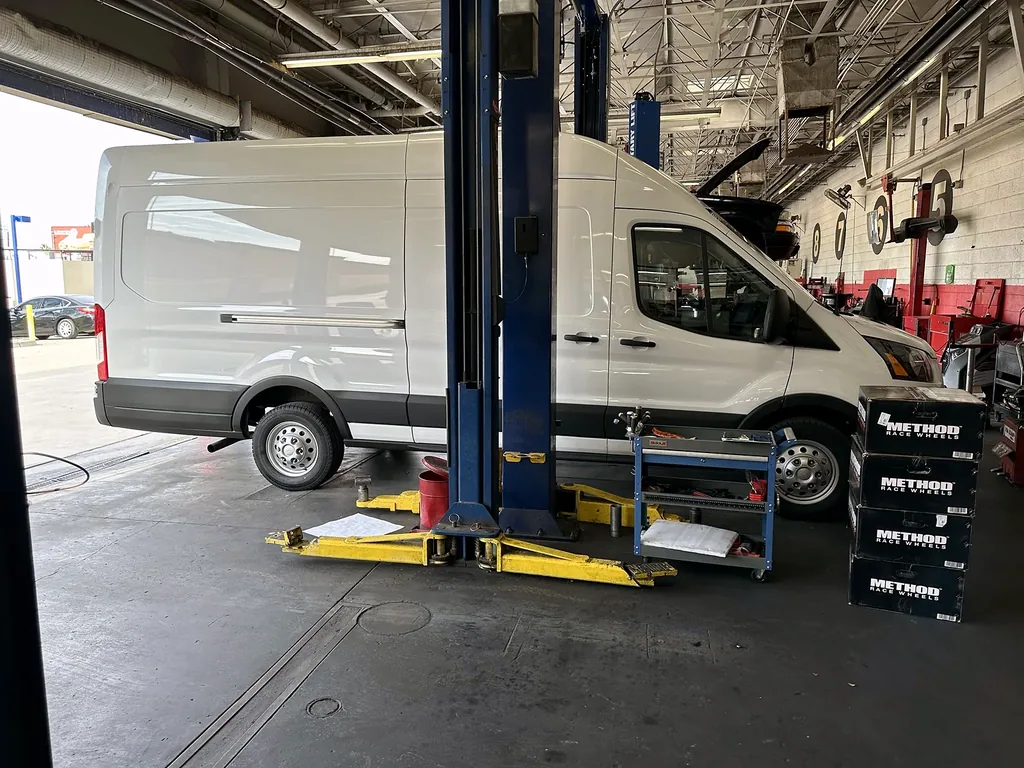
My reference is the work on my 2023 Ford Transit 250 high-roof extended build. Recording separate projects has made the difference between a purchased part, an assembled part and a completed job very clear. I would bring that same distinction to a used conversion: identify what is present, observe what is demonstrated and keep unfinished work visible.
The van-platform comparison helps build a vehicle shortlist. This guide focuses on the conversion you encounter during a viewing. Its output is a practical evidence record, with the layout observations, equipment identities and follow-up questions needed to decide whether that particular interior suits your plans.
Download The Blank Used Conversion Viewing Worksheet
Write Your Requirements Before Arranging A Viewing
Begin with the people, trips and equipment the van must accommodate. List the sleeping arrangement, everyday activities and possessions that matter to the decision. Separate requirements from preferences. A particular finish may appeal to you, while an accessible bed or a usable work position may determine whether the whole arrangement can serve your intended routine.
Use requirements you can check in the actual interior. “Reach clothing while the bed is ready for sleep” is more useful than “plenty of storage.” “Keep the entrance usable during meal preparation” is more useful than “good kitchen.” These statements give you a specific observation to make and prevent a polished photograph from becoming the only basis for comparison.
Decide what changes you would accept after purchase. A different curtain or storage organizer creates a different commitment from moving a permanent cabinet. Keep an initial list of acceptable adjustments and major changes you would prefer to avoid. That helps distinguish a candidate that already suits you from a project whose attractive starting point still requires substantial rebuilding.
Choose a consistent record for every candidate. Give each vehicle an identifier, save the listing and record the viewing date. Keep photographs, seller answers and documents under the same identifier. If you see several similar vans, a photograph of one electrical compartment should not become the evidence used to answer a question about another vehicle.
Request Documents That Identify The Actual Build
Ask what records exist before the viewing. Useful material includes component lists, installation documents, receipts, layout drawings and photographs of work before panels were fitted. The value is in connecting a document to the actual installation. A folder full of generic manuals is less informative if you cannot identify which version belongs to the equipment in the van.
Separate vehicle documents from conversion documents. The base vehicle has its own year, body configuration and service history. The furniture and systems may have been installed later, changed by another owner or assembled in several stages. Record the dates and identities where available instead of assuming the age of the van describes every part inside it.
For a manufactured conversion, look for the specific model and year in the manufacturer's resources. Winnebago's operator-manual library, for example, organizes manuals by year. That is useful as a model for document matching: locate the appropriate version, then confirm it corresponds to the actual vehicle and equipment being considered.
For an individual build, ask for the owner's equivalent record. A dated drawing, equipment label and photograph can answer a specific question even without a formal brochure. Keep missing records as named follow-up items. Do not turn the absence of a particular document into an invented explanation of how the work was performed.
Walk Through The Layout In Its Normal State
Start with the cabin as it is normally used, rather than asking for every cupboard to be emptied immediately. Look at the route through the entrance, the bed position and the surfaces available for ordinary tasks. Notice what occupies the passage and what must move before another activity becomes possible.
Then compare the arrangement with your requirements. Check the route from the bed to clothing, the access to food and the place where work equipment would sit. My full-time-living guide explains how to compare daily routines. Use the same method during a viewing, even if your intended trips are shorter.
Ask about movable or convertible furniture and observe the actual changeover. Record the parts moved, the space used temporarily and where bedding or other displaced items go. A table and a bed may both fit in the same area, but the transition between them can determine how pleasant that area is to use repeatedly.
Measure the clearances that matter to your decision using the actual finished surfaces. Keep your measurements separate from a listing's dimensions. The usable-space guide helps distinguish interior volume from openings, access and movement. A generous storage compartment is useful only if the items you intend to carry can be put in and retrieved.
Make An Equipment Identity List
For each installed system, record the visible equipment identity and the documents supplied for it. Keep model names, label photographs and the location together. Do not fill an unreadable label with the name of a similar-looking component found online. The purpose of the list is to establish what is actually present before researching its requirements or replacement options.
Separate fitted equipment from loose equipment included in the sale. A portable item stored in a cupboard may be part of the purchase without being permanently installed. Record what is connected, what is simply carried and what the seller intends to remove. This avoids planning your first trip around an item that appeared in photographs but is not part of the agreed contents.
Ask whether components have changed during ownership. If an older drawing shows a different device, preserve it as history and identify the current configuration separately. The same applies to unused parts and spare materials. They can be useful, but their presence does not establish that the installed system follows a particular design.
Keep comparison shopping separate from this identity record. First establish the actual installed item. Then, if you need to investigate current parts or alternatives, create a separate research note. A current sales listing should not silently replace the historical identity of the component you saw during the viewing.
Observe Demonstrations And Record Their Conditions
Ask the seller to demonstrate the ordinary operation of the fitted equipment and explain its controls. Record what was operated, what you observed and the conditions of the demonstration. A note saying “worked” loses useful information when you later try to remember whether a device was operating from an external supply or from the van's own stored energy.
Use straightforward observations. A light illuminated, a display showed a particular screen or water flowed at a particular outlet. Keep those observations distinct from broad claims about endurance, capacity or performance. The viewing may answer a control or operation question without establishing every result that matters on your intended trip.
If something cannot be demonstrated, record the reason given and the question that remains. Perhaps a supply is unavailable, an item is winterized or a component is not connected. Preserve that explanation without converting it into a successful test. A useful record can contain an open item; it does not need to make every row look complete.
Ask how the owner normally starts and stops each routine. Identify the relevant switches, controls and stored accessories. The electrical-system hub shows how equipment can be organized by function. For a candidate vehicle, build your own functional map from the actual installed items and the documents supplied with them.
Check Inspection, Working And Removal Access
Open the access points the seller identifies and note what each opening allows you to do. Can you see the component, reach the connection or remove the item? Those are separate questions. A small panel may provide a clear view while leaving insufficient space for the later task you are trying to understand.
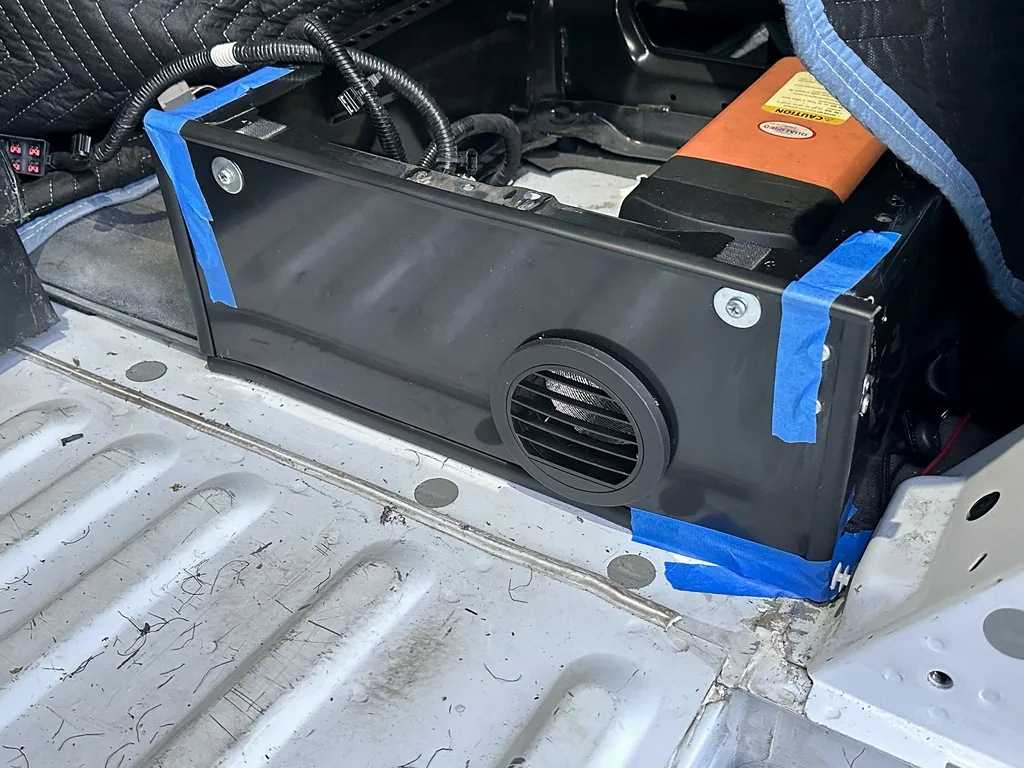
Look for the route needed to remove a component without assuming the whole interior was designed around replacement. Identify neighboring panels or furniture that would need to come out first. Record the sequence described and any available photographs. You are trying to understand the ownership work, not merely confirm that a door exists somewhere near the equipment.
Keep routine access separate from major removal. An arrangement may make everyday controls convenient while requiring more work for replacement. That can still be a deliberate choice, but it belongs in your comparison. The maintenance-access guide provides a useful worksheet for keeping the different tasks and openings distinct.
Use photographs that explain the relationship between the opening and the surrounding furniture. A close-up can identify a label; a wider photograph can show what blocks the approach. Keep both where needed, with permission during the viewing. That makes a later question easier to resolve without relying on an isolated image you can no longer place in the cabin.
Identify Finish Problems And The Work Behind Them
Walk through the visible finish with the owner and record specific observations. A marked panel, a loose trim piece and a damaged compartment edge are different jobs. Ask what happened and what work, if any, has already been attempted. Keep the explanation with the photograph instead of inventing a cause from appearance alone.
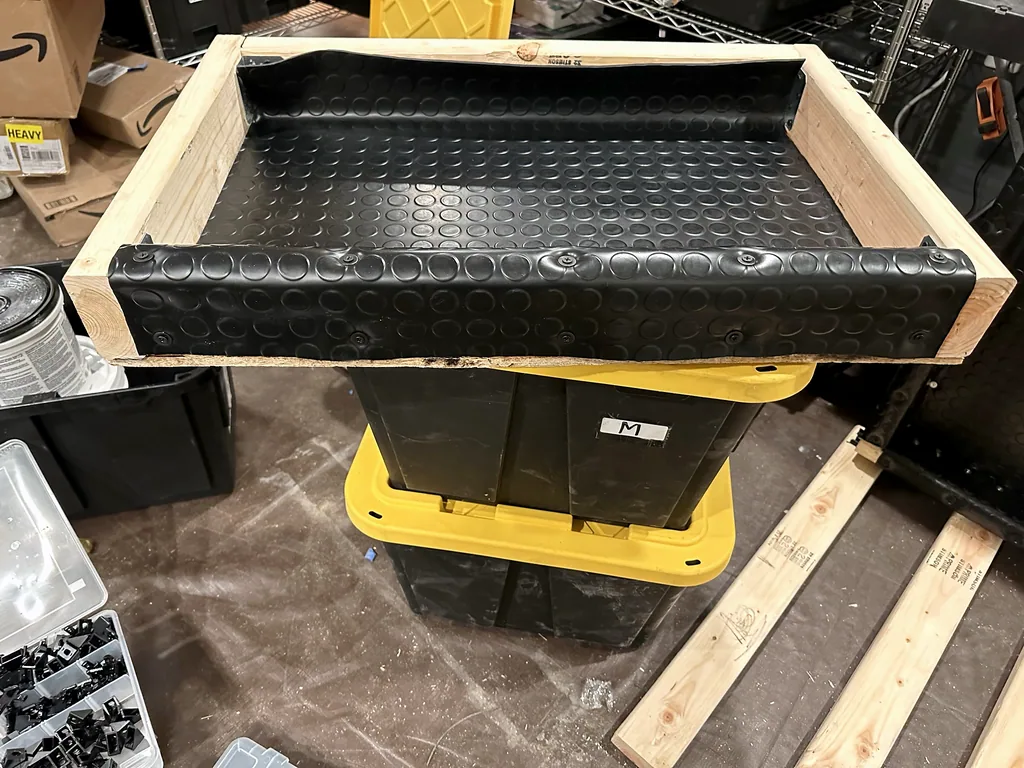
Distinguish cosmetic preferences from functional problems. You may dislike a color while the layout and access work well. Alternatively, a neat finish may conceal an opening that is awkward for your equipment. Put these subjects in separate columns so a preferred appearance does not erase a practical issue or make a minor cosmetic change look like a complete rebuild.
If a modification is proposed as the solution, identify what it affects. Moving a cabinet could change a neighboring opening, a service route and the materials needed to restore the finish. The remodel-planning guide turns those changes into a keep, remove and rebuild sequence. Use it when the candidate is attractive but needs more than a small adjustment.
Keep proposed repairs separate from completed repairs. A seller's intention to fix something before handover should remain a named item until the result is available to review. Record the actual state at the viewing, then add the later evidence if the work occurs. That preserves a clear account of what changed between first viewing and the final decision.
Make Unfinished Work Part Of The Comparison
Ask the owner what remains incomplete. A build can contain useful completed projects alongside work that is still planned. My own diary records individual stages, including tasks left for later. That is why I would ask directly rather than treating an attractive overall view as evidence that every area is finished.
Write each unfinished job as a specific result. “Finish kitchen” may include doors, a service panel, a component connection or a new countertop. Separate those tasks so they can be understood and priced. Record whether parts are included and whether the existing documents explain the intended arrangement.
Identify the dependencies that could expand the work. An unfinished panel may be waiting on an equipment decision. A missing door may depend on a final opening dimension. Those questions matter because the visible missing part can be smaller than the project required to resolve it. Keep the next check beside the task rather than assigning an unexplained allowance.
Compare the complete selected arrangement using the conversion-cost guide. Keep purchase, known unfinished work, proposed personal changes and unresolved amounts separate. That gives you a more useful comparison between candidates than the asking price alone, while preserving what remains unknown until an actual quote or decision is available.
Test Your Own Load Against The Interior
Bring the dimensions of the awkward items you intend to carry. A bicycle, work case or large storage container can determine whether an otherwise appealing layout suits you. Check the opening and retrieval route as well as the destination compartment. A space that holds the object in a drawing may still be difficult to load through the actual door.
Consider when the item is needed. Equipment retrieved at every stop deserves a different access position from something carried only occasionally. Put the bed and other furniture in the relevant state while checking the route. If the seller's normal load differs from yours, use that difference as a planning question rather than assuming their storage habits will transfer directly.
Include clothing, food and ordinary living items in the comparison. Large activity equipment often receives attention while everyday possessions are left to fit wherever room remains. The weekend-conversion guide provides a trip-based packing method that can be adapted to a viewing, including the return-home and cleanup stages.
Record where your intended load would go and which changes it would require. If several important items have no defined home, keep that visible in the decision. A mostly finished interior can still be the wrong arrangement for your equipment, while a simpler one may serve the actual routine with fewer changes.
Build A Viewing Record You Can Compare Later
Use the same headings for each candidate: vehicle identity, layout requirements, installed equipment, documents, demonstrations, access, visible condition, unfinished work and follow-up questions. Keep the record short enough to read, with photographs and detailed documents attached rather than copied into every row.
Give each answer a source. “Observed during viewing,” “seller statement,” “label photograph” and “document supplied” tell you how the information was obtained. Add the date. If a later answer changes the record, preserve the earlier observation and explain the update. That is more useful than overwriting the original note and forgetting why the question arose.
Prioritize unresolved questions by their effect on your requirements. A missing decorative detail may be easy to defer; an unknown dimension that determines whether your bed fits affects the whole choice. Write the next action beside each open item. The record should help you decide what to resolve next rather than simply accumulating concerns.
End with a clear status: keep on shortlist, revisit after specific answers or remove from consideration. Include the reason in ordinary language. You can like a candidate and still have an unanswered requirement. Keeping that distinction visible makes the next conversation or viewing more focused and prevents a vague favorable impression from becoming a completed decision.
Plan The Handover Information You Would Need
Before deciding, list the records and included items you would need to take over ordinary ownership. That may include manuals, keys, access-panel tools already associated with the build, component identities and the owner's explanation of routine controls. Match the list to the actual conversion rather than borrowing a generic contents list from another van.
Ask how the information will be supplied and keep it organized by system or location. A component manual is easier to use when it is linked to the label photograph and the place it is fitted. An installation photograph becomes more valuable when you can identify the panel that now covers it. Preserve those relationships in your own saved record.
Keep any promised remaining work in the same handover list, with the evidence needed to recognize its completion. If the arrangement changes between viewing and handover, revisit the affected requirements. A new component or altered cabinet can make an earlier observation outdated even if the van still looks broadly the same.
The useful outcome is a vehicle-specific decision supported by records you can understand afterward. My build diary is one example of preserving the work behind an interior. When considering a used conversion, look for the equivalent story of the actual van in front of you, then compare that arrangement with the life and trips you want it to support.
Use A Follow-Up Message That Resolves Specific Gaps
After the viewing, turn the important open rows into a short message. Identify the vehicle and viewing date, then ask for one answer or document per item. A useful question states what you saw, what remains unknown and what would resolve it. For example: “The drawer opened with the bed folded; can you show its opening with the bed in the sleeping position?”
For an equipment question, refer to the location and photograph rather than guessing a model. Ask for a readable label image and the matching manual or record. When an answer arrives, save it beside the original row and note whether it establishes identity, operation or a proposed change. These are different outcomes, even when all three concern the same component.
Keep promised changes in a separate list from information requests. A new photograph can resolve a label question without completing a repair. A description of intended work does not update the observed physical condition. Preserve the current status until the relevant result is available, then add that evidence rather than deleting the earlier viewing note.
If a response changes the layout or included equipment, revisit the affected requirements. Suppose an item seen during the viewing will not be included. Remove it from the included-equipment column, identify whether you need a replacement and update the complete-scope comparison. This prevents the first visual impression from remaining in the plan after the actual offer has changed.
Close the follow-up with the next decision you intend to make. That might be arranging a second viewing, comparing the newly supplied drawing or removing the candidate because an essential requirement remains unmet. Keep the message focused on the specific van and the evidence needed for that decision. You then have a coherent record from listing to viewing to follow-up, with each answer connected to a practical question rather than scattered across an unsearchable conversation.
Frequently Asked Questions
What Should I Ask For Before Viewing A Used Conversion?
Request the vehicle configuration, current equipment list, relevant manuals, installation photographs and a description of unfinished work. Keep each file tied to the specific candidate. Use the information to prepare focused questions about the actual layout and installed equipment.
Does A Working Demonstration Prove Every Performance Claim?
Record the function operated, the conditions and what you observed. A demonstration can answer a particular operation question. Keep other capacity or endurance questions open until their own evidence is available rather than expanding one observation into a broader conclusion.
How Do I Compare A Finished Van With One Needing Work?
Compare the same required result. Separate asking price, known unfinished tasks, your desired changes and unresolved amounts. Identify the dependencies behind each task before deciding whether the visible work represents a small adjustment or a larger remodeling project.
Should I Measure A Finished Interior Myself?
Measure the clearances that determine your requirements, using the actual finished surfaces and openings. Keep your measurements separate from listing dimensions. Include furniture in its normal use state and check the route needed to load and retrieve your equipment.
What Is The Best Result Of A Viewing?
A clear candidate record: requirements met, evidence obtained, open questions and a next decision. Save the supporting photographs and documents. That makes another viewing or comparison productive and gives you a useful ownership record if you proceed.