Two dimensions in one lug name
The cable barrel and the ring opening describe different ends of a lug. The AWG size identifies the cable-barrel size; the 5/16-inch dimension identifies the opening used at the bolted connection.
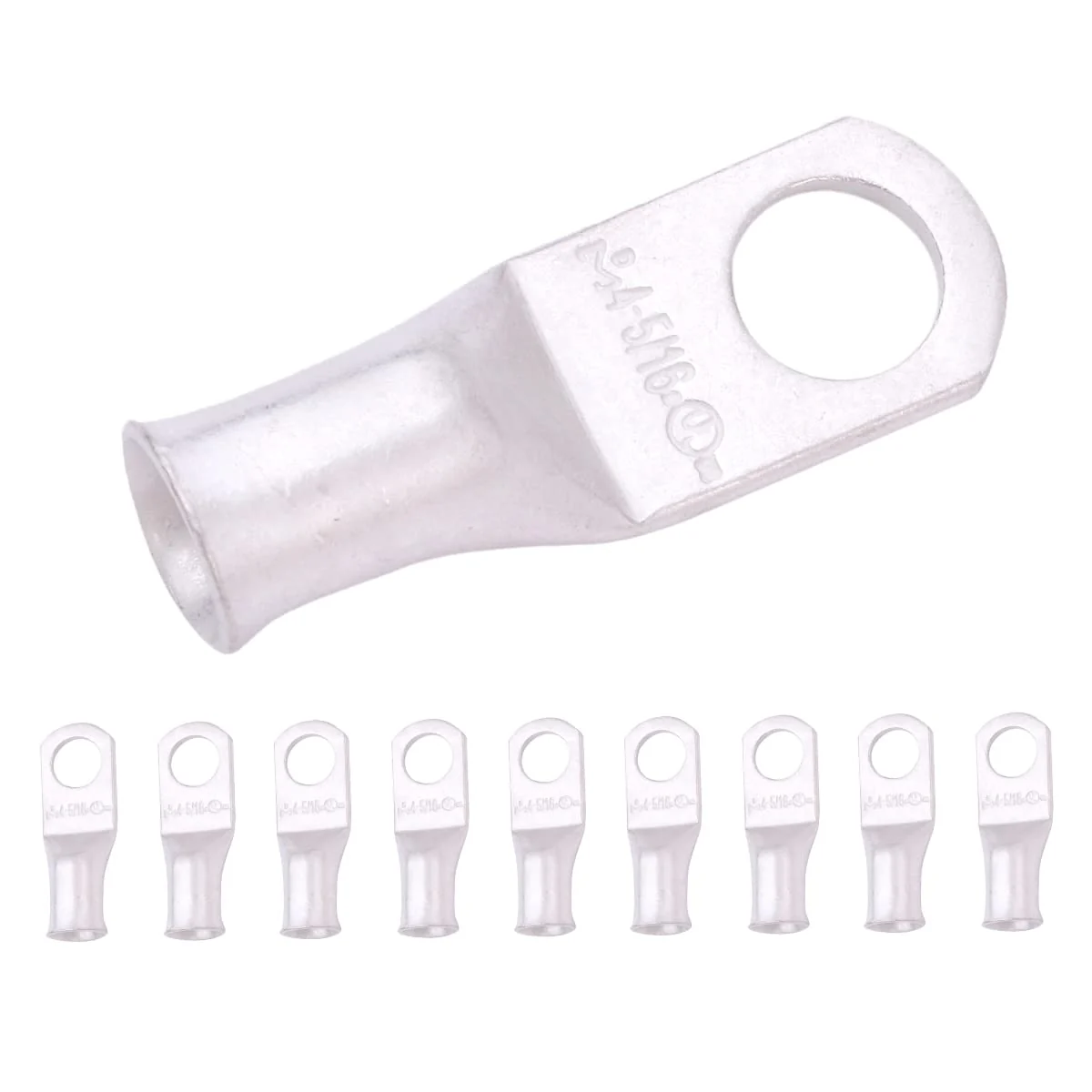
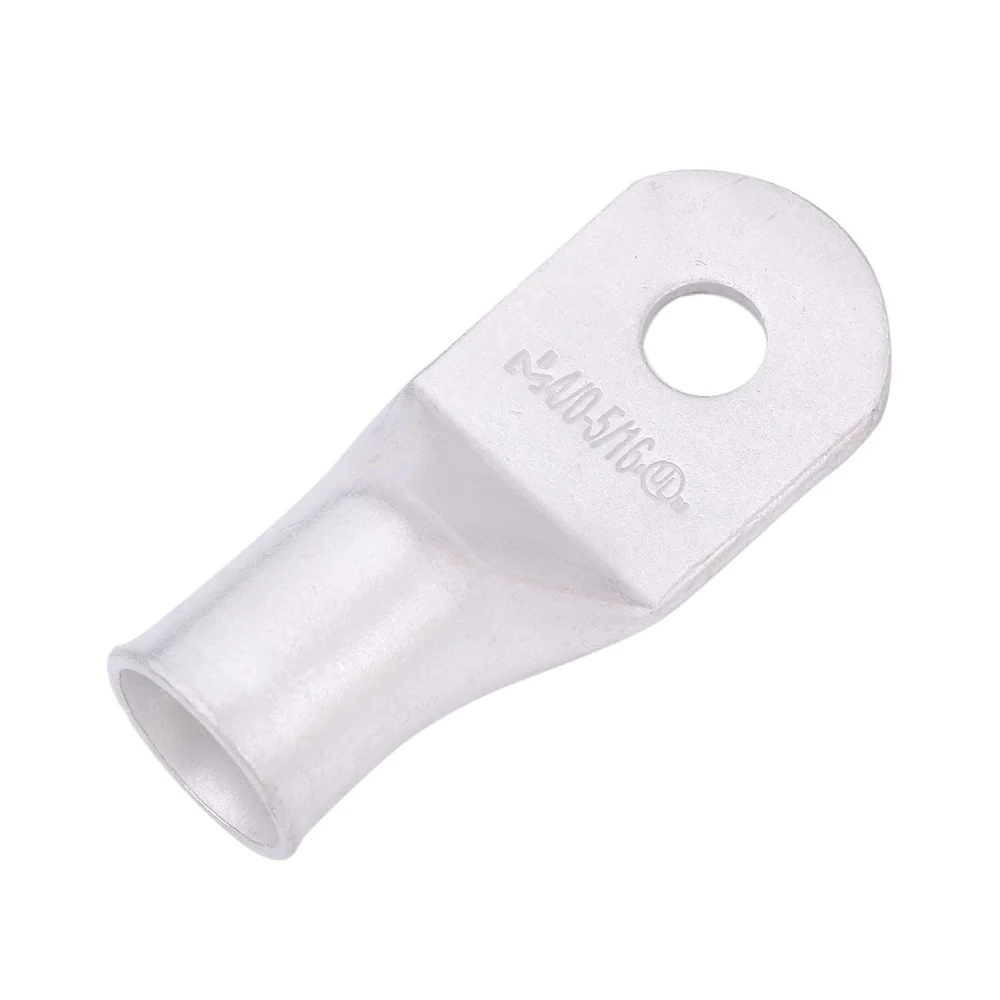
My purchase records include a SELTERM 4-AWG, 5/16-inch lug pack and a SELTERM 4/0-AWG, 5/16-inch pack. They share the ring-hole dimension while using different cable-barrel sizes.
| Cable-barrel size | Stud-hole size | Purchase |
|---|---|---|
| 4 AWG | 5/16 inch | SELTERM smaller-barrel purchase |
| 4/0 AWG | 5/16 inch | SELTERM larger-barrel purchase |
Where the lug references fit
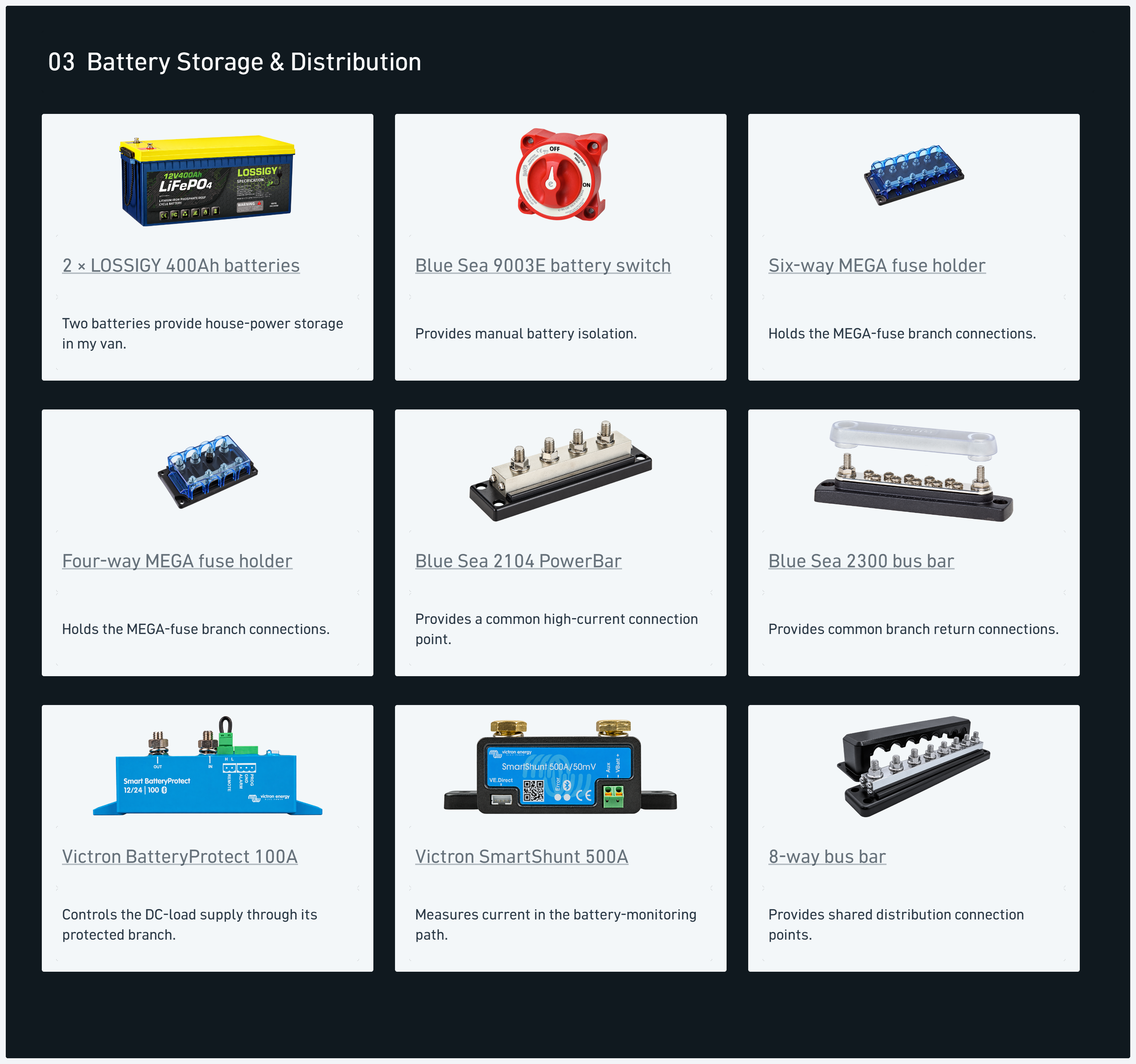
The original drawing includes 5/16-inch lug labels among the cable and connection notes. My system also includes large cable purchases, distribution bars and a battery on/off switch, each with its own item reference.
I keep the cable and terminal entries linked rather than treating “5/16-inch lug” as the complete product identity. The cable-barrel size remains part of the name when following the purchase page.
The surrounding build work
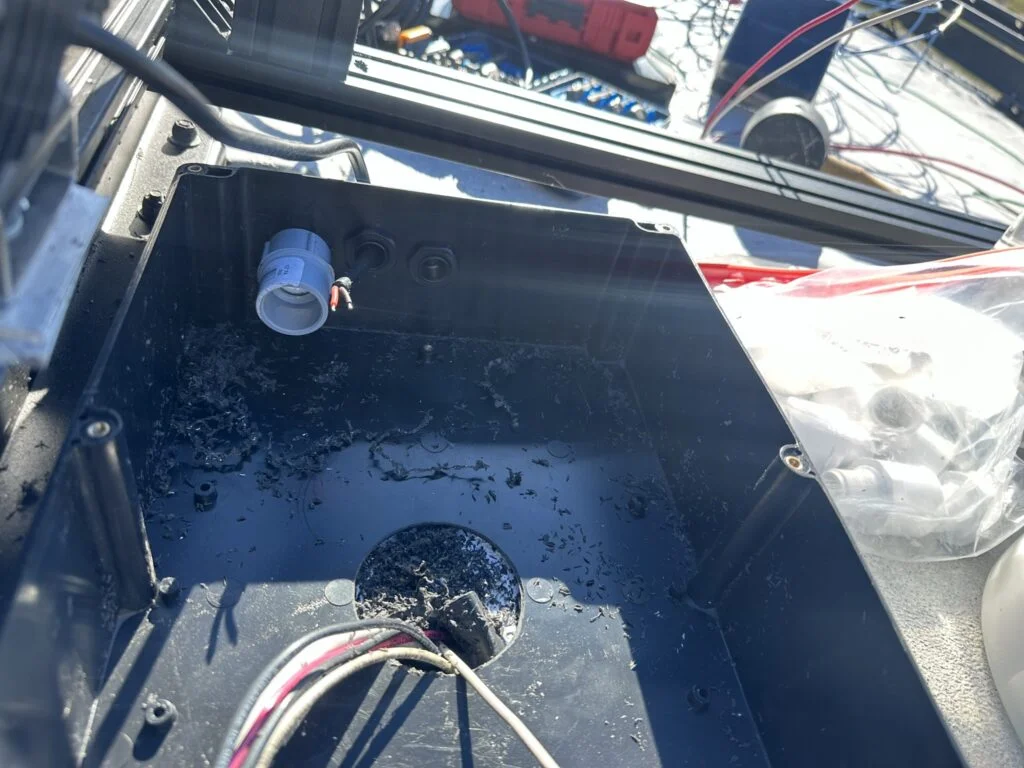
The electrical project included both the large power-system hardware in the diagram and the roof-device wiring in my diary. My roof work shows the time spent grouping leads, making entries and routing cables before fitting the final covers.
On Day 104 I pulled roof wires through PVC conduit using a fish tape and finished the connections and covers. That sequence is useful context for keeping cable routes and their eventual termination hardware organized in the build record.
My takeaway
My takeaway is to keep both sizes in the product name. The common 5/16-inch ring opening does not describe the different barrels on my 4-AWG and 4/0-AWG purchases.
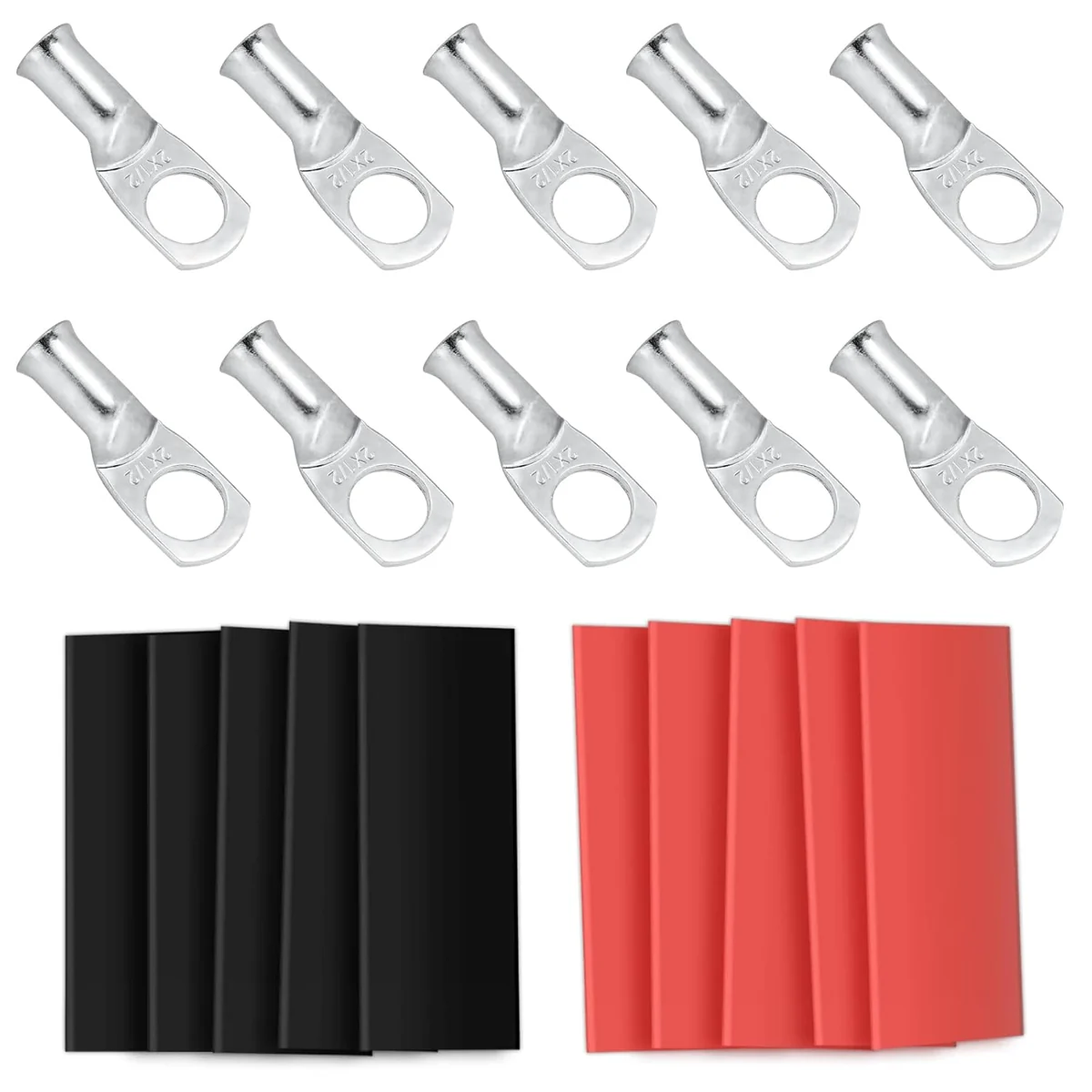
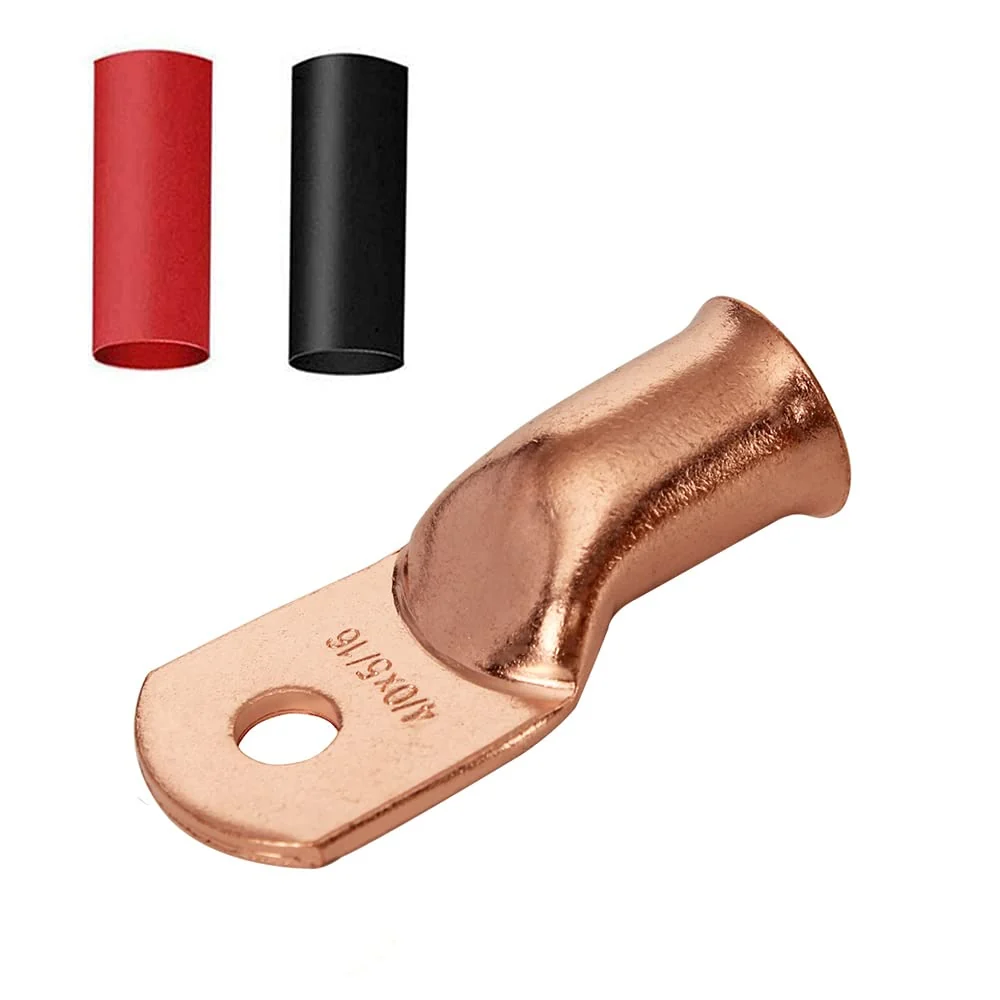
For alternatives, I compare the two dimensions first, then the lug material, pack count and included tubing. The Sanuke option below corresponds to the smaller barrel size; the second set uses a 4/0-AWG barrel and includes heat-shrink tubing.
From my electrical build
Read the roof-entry work · See the conduit pulls and final connections
Explore the complete component register and system diagram →