Manufacturer reference
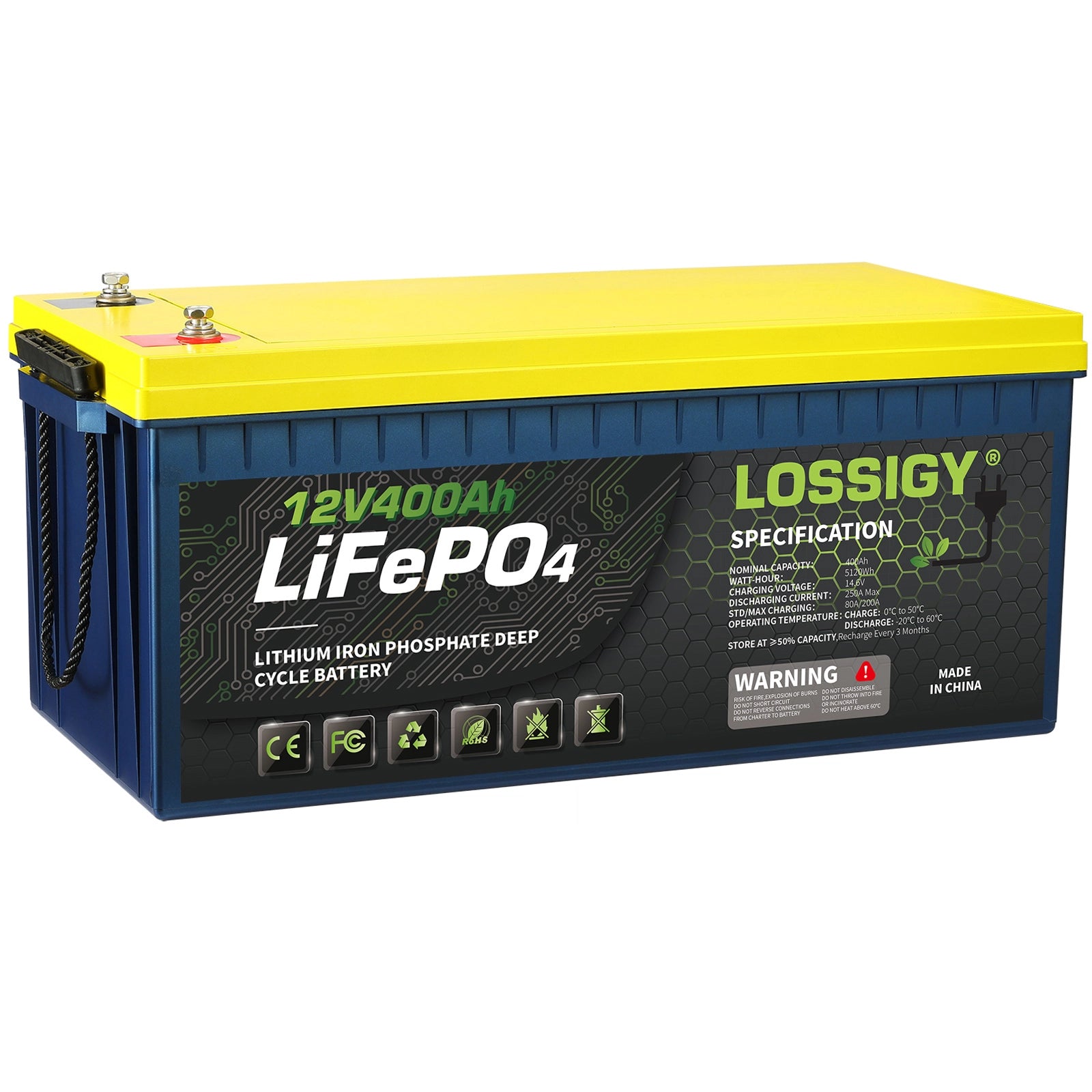
LOSSIGY 12V 400Ah Battery
LOSSIGY identifies this battery as a 12V 400Ah LiFePO4 model. I used two Lossigy 400Ah batteries for house-power storage in my van.
View manufacturer detailsMy Ford Transit electrical system uses two Lossigy 400Ah batteries, four Rich Solar 200W roof panels and Victron charging equipment. Here are the parts I used, how they fit together, and why I replaced my original Renogy charger with two Victron Orions.
Follow the build through storage, charging, distribution, monitoring and the devices in the van.
The two Lossigy 400Ah batteries in my van, how storage relates to charging and loads, and the difference between capacity and inverter output.
The four Rich Solar panels, Victron MPPT 150/60, cable-entry gland and connectors I used in my van solar setup.
Why I first chose a Renogy charger, what happened at its vehicle-battery input terminals, and the two Victron Orion chargers I installed afterward.
The Victron MultiPlus, Veepeak shore inlet, VictorsHome changeover switch and Firman generator used in my camper van electrical build.
The distribution components I used and how to distinguish component labels, circuit roles and the different versions of my electrical drawings.
The SmartShunt 500A, Raspberry Pi 4, USB hub and Victron interfaces I used, with a clear distinction between battery readings and communication hardware.
The San-Young lights, Nilight light bar, PLZ stereo, Ciascy camera system and video-interface components in my van build.
The house batteries supply the living area between charging opportunities. Roof solar, vehicle charging and external AC replenish them. The wiring connects these sources to the batteries and loads, with the inverter providing AC from stored DC energy.
It helps to separate the system into five jobs:
Start with the devices you want to power. Record whether each uses DC or AC, its operating watts and its time in use. Multiply watts by hours to estimate watt-hours, then add the devices for a daily energy total.
The examples below are hypothetical. They show why running time matters: a 300W device used for ten minutes consumes less energy than a 20W light used for five hours.
| Hypothetical load | Power | Time | Energy |
|---|---|---|---|
| Example A | 20W | 5 hours | 100Wh |
| Example B | 60W | 2 hours | 120Wh |
| Example C | 300W | 10 minutes | 50Wh |
Keep the measurement point with each value. An appliance-side reading covers the appliance; a battery-side reading also includes losses within that measured path. Use a consistent basis when adding the totals.
Battery capacity describes stored energy; inverter output describes the AC load the inverter can supply. A larger inverter does not extend battery runtime on its own.
Nominal voltage multiplied by amp-hours gives nominal watt-hours. The battery storage guide explains that calculation and how it relates to runtime.
The MultiPlus has separate inverter and charging ratings. The AC power guide explains its 3000VA, 12V and 120A labels.
A DC–DC charger manages charging from the vehicle electrical system into the house batteries.
I first bought and tried the Renogy DC–DC charger because it cost less than the two Victron Orion chargers.
The Renogy burned out at the input terminals connected to the vehicle battery, so I replaced it with two Victron Orion DC–DC chargers. The vehicle-charging guide follows that change.
My four Rich Solar 200W roof panels have a combined 800W nameplate rating. Their charging equipment includes a Victron SmartSolar MPPT 150/60 controller, BougeRV solar connectors and a Link Solar cable-entry gland.
The controller manages charging from the roof array into the batteries. Its model numbers describe PV voltage and charging-current limits, while panel wattage describes the array. The roof solar guide explains those ratings and the equipment along that path.
I used a Victron MultiPlus inverter charger, Veepeak 30A shore-power inlet, VictorsHome changeover switch and Firman dual-fuel inverter generator. The MultiPlus converts battery DC into AC and can use an external AC supply to charge the batteries.
The inlet and generator belong to the external AC side; the inverter supplies AC from stored energy. The AC power guide describes each component’s role.
Bus bars provide common connection points. Branch wiring carries power to individual circuits. Switches provide control, while fuses and circuit breakers provide overcurrent protection for their intended circuits.
My distribution equipment includes Blue Sea bus bars, fuse holders, a Victron Smart BatteryProtect 100A and a Nilight six-gang DC switch panel. The distribution guide covers these parts, cable labels and the arrangements shown in my drawings.
I used a Victron SmartShunt 500A for battery monitoring, along with a Raspberry Pi 4, USB hub, VE.Direct-to-USB interface and MK3-USB interface.
The shunt measures current in its monitored path; the monitor uses those readings and configured battery information to estimate state of charge. The monitoring guide explains the readings and the separate roles of the USB interfaces.
This table brings the main equipment together by its job in the van. The illustrated component references follow below.
| System role | Equipment I used |
|---|---|
| Storage | Two Lossigy 400Ah batteries |
| Solar charging | Four Rich Solar 200W panels; SmartSolar MPPT 150/60 |
| Vehicle charging | Two Victron Orion chargers, replacing the Renogy |
| AC conversion and charging | Victron MultiPlus |
| External AC equipment | Veepeak inlet, VictorsHome switch and Firman generator |
| Monitoring and interfaces | SmartShunt 500A, Raspberry Pi and Victron USB interfaces |
| Loads | Exterior lights, stereo and cameras |
LOSSIGY identifies this battery as a 12V 400Ah LiFePO4 model. I used two Lossigy 400Ah batteries for house-power storage in my van.
View manufacturer details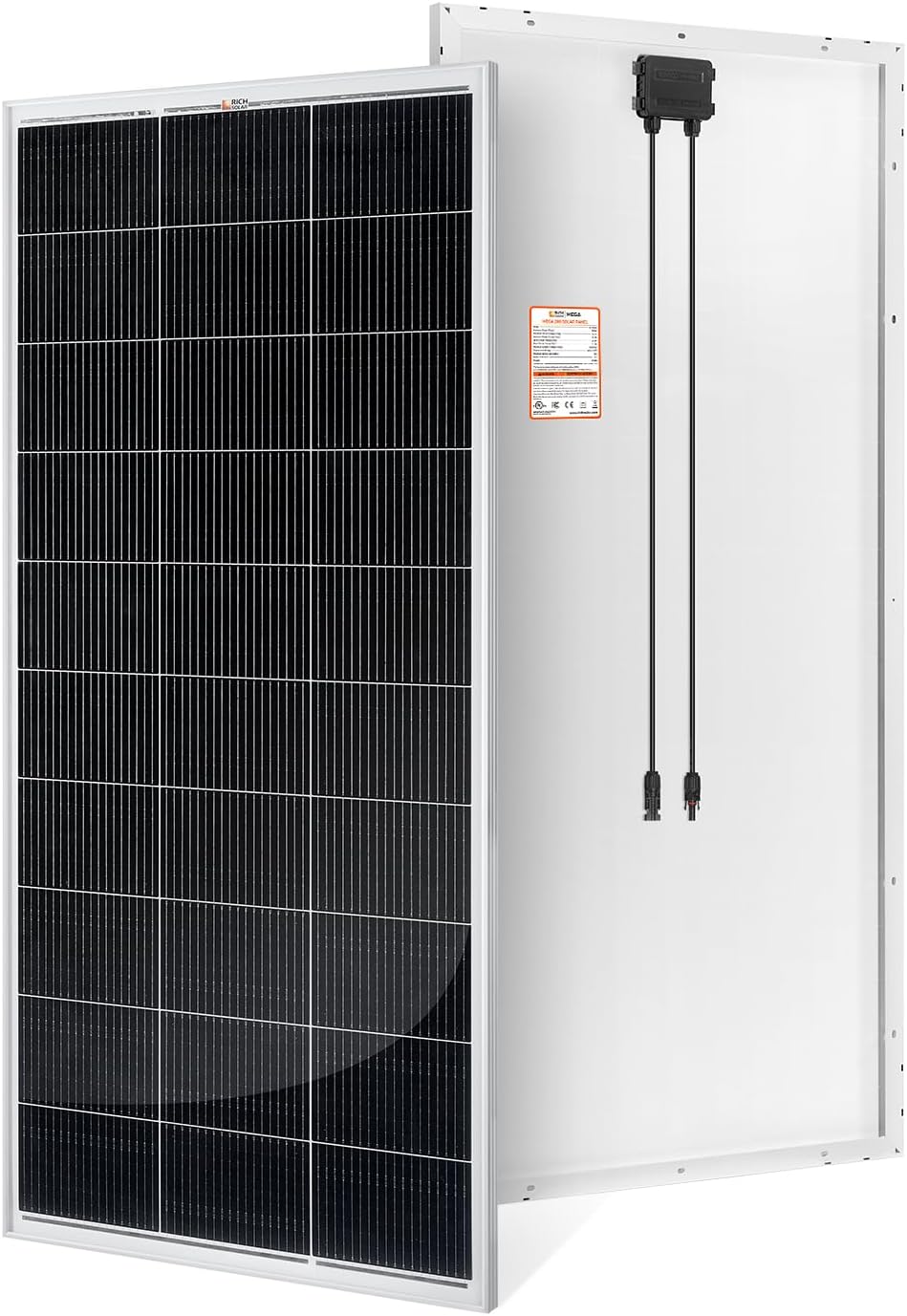
This rigid 200W solar panel has a rectangular frame and rear cable connections.
View on Amazon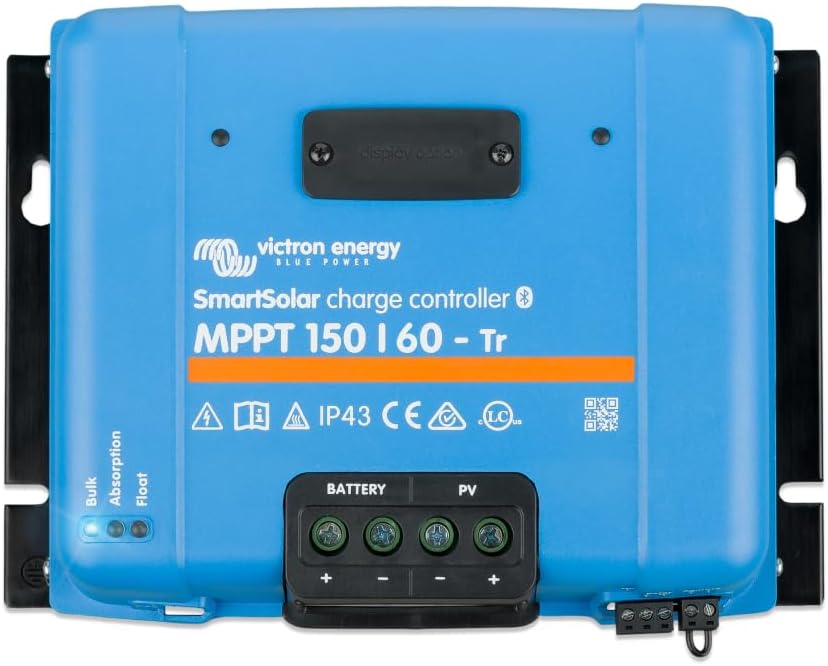
This SmartSolar controller manages charging from a solar array into a battery system. The 150/60 model designation identifies its 150-volt PV input limit and 60-amp charging-current class.
View on Amazon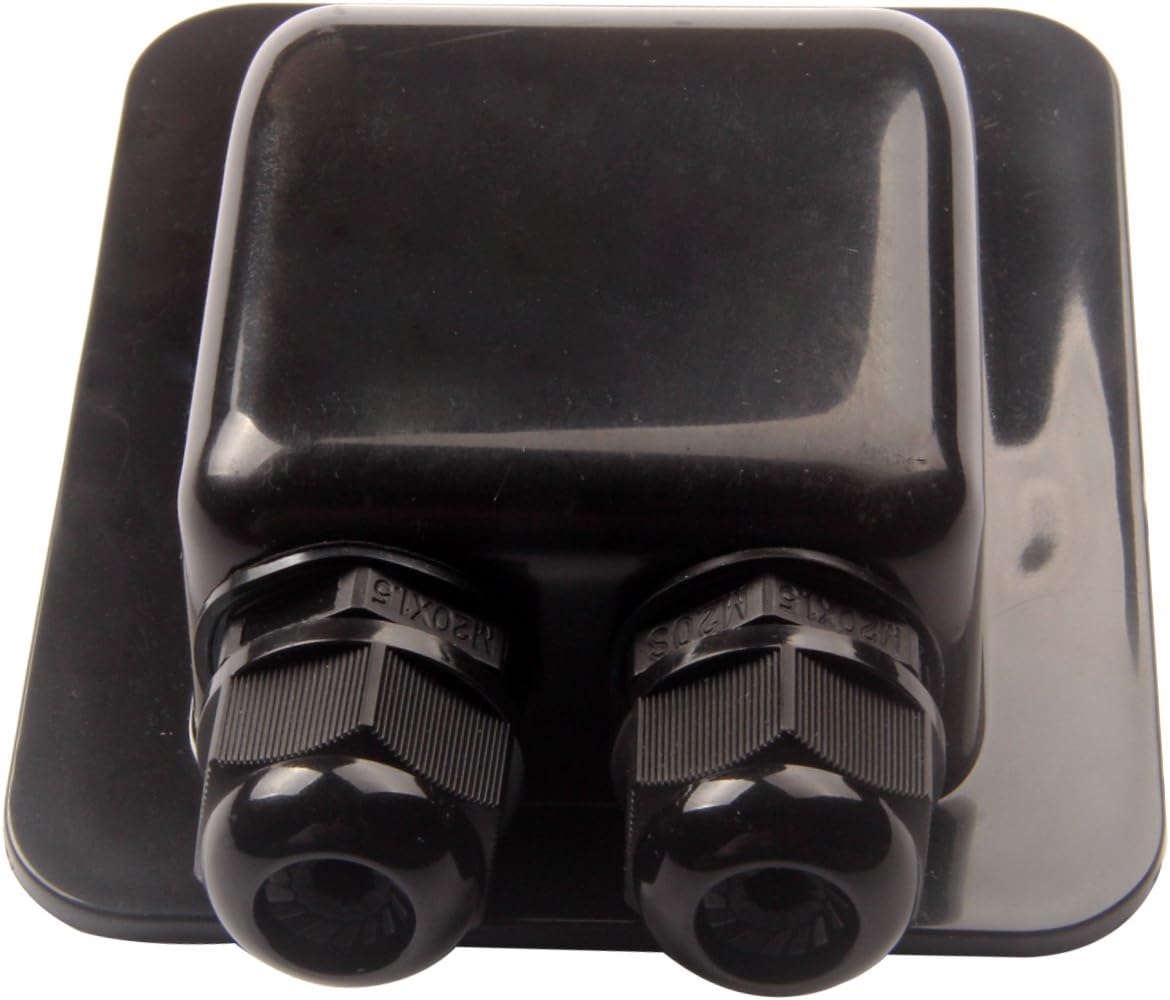
This black cable-entry housing brings two cables through separate compression glands. The curved ABS cover sits over the cable entry point.
View on Amazon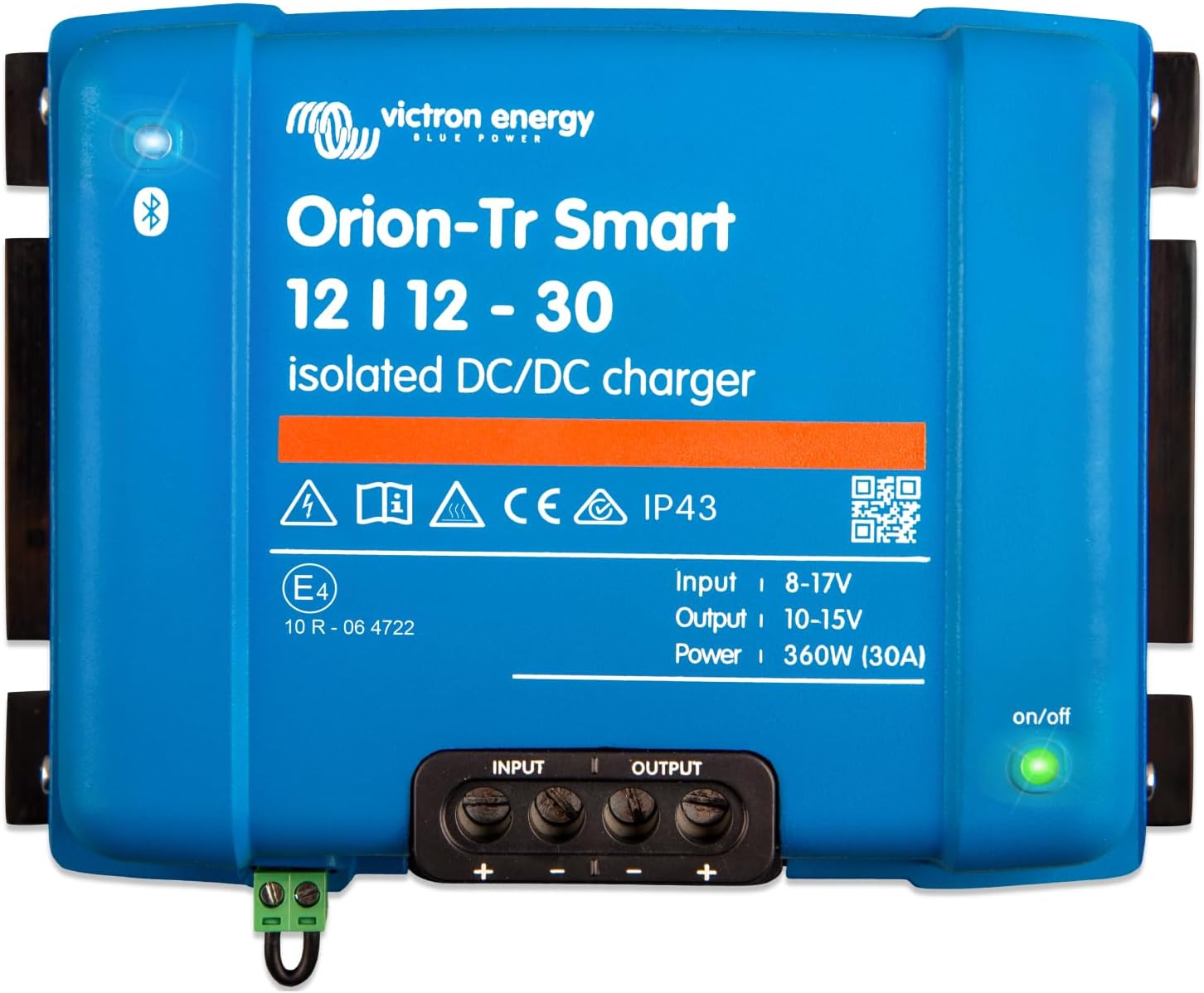
This isolated DC-to-DC charger transfers charging power between 12-volt battery systems. The Orion-Tr Smart 12/12-30 model includes Bluetooth access to its settings.
View on Amazon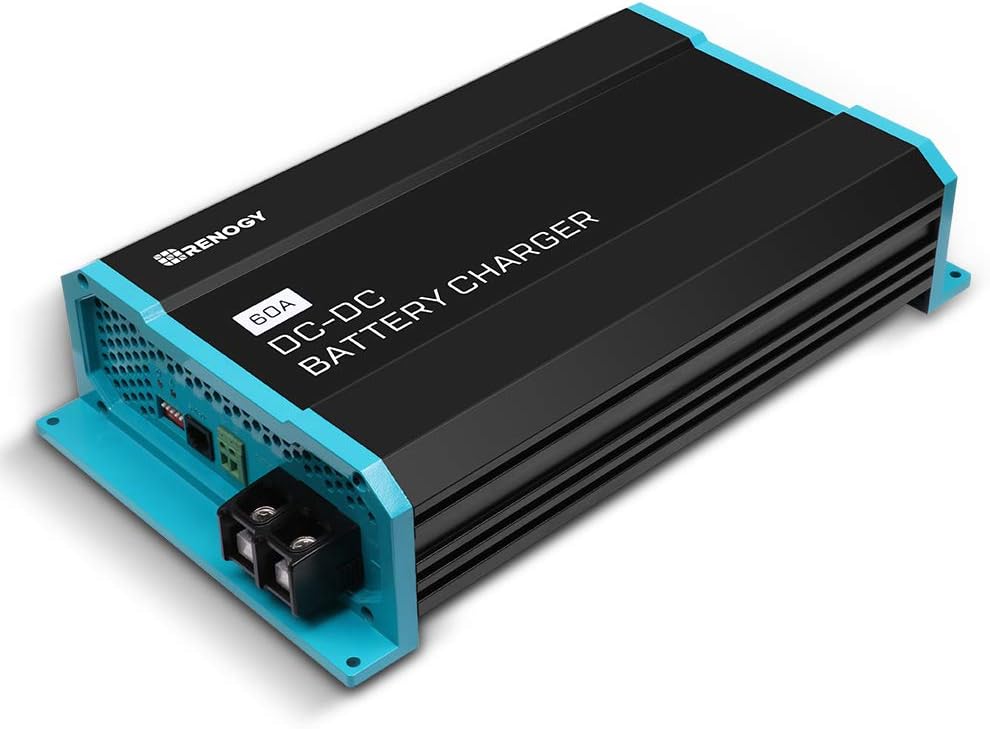
This DC-to-DC charger transfers charging power between 12-volt battery systems. Its enclosure provides separate input and output terminals for the two sides of the charging circuit.
View on Amazon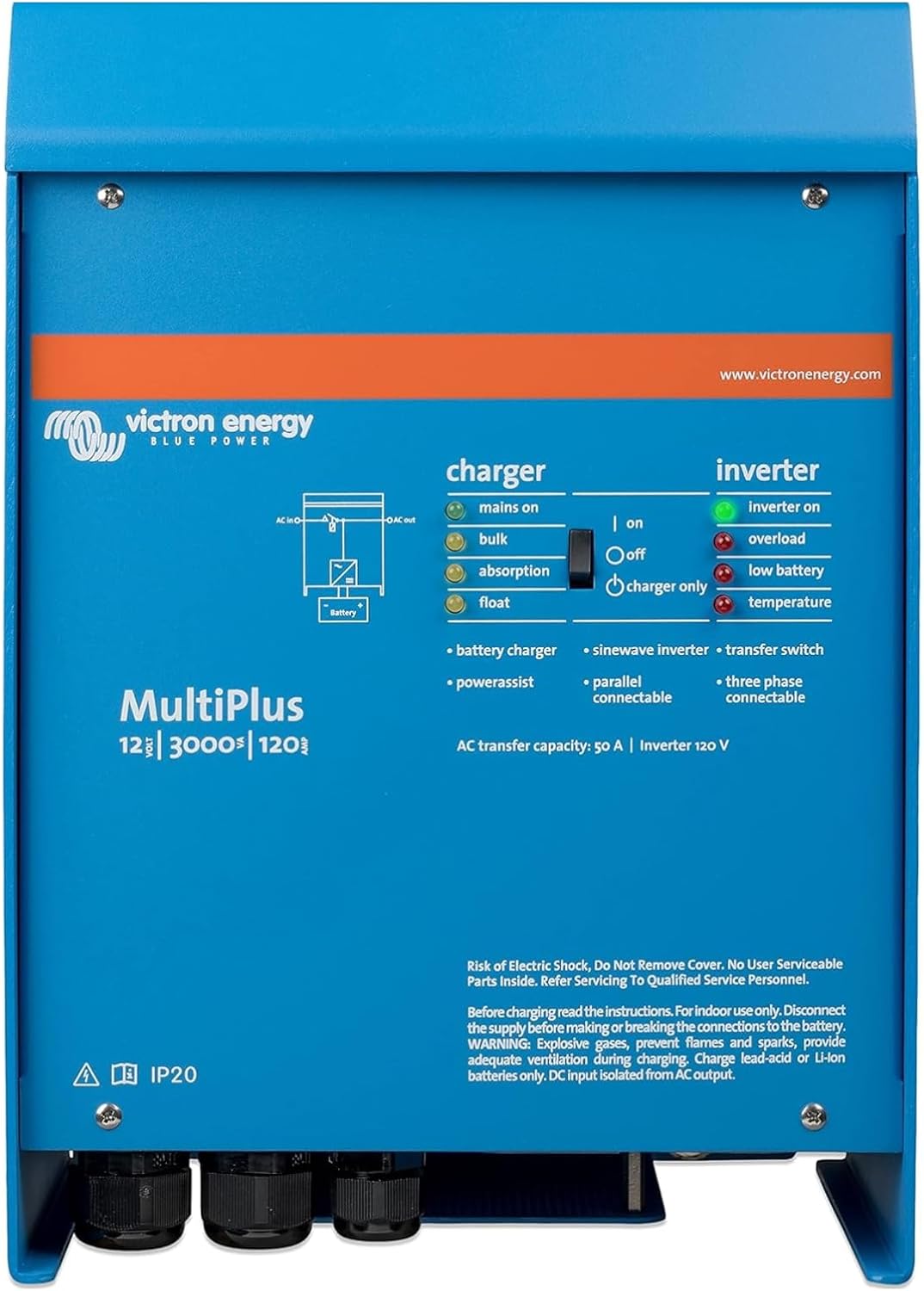
This MultiPlus combines a 12-volt battery inverter and an AC-powered battery charger in one enclosure. The purchased model belongs to the 3000VA inverter and 120A charger configuration.
View on Amazon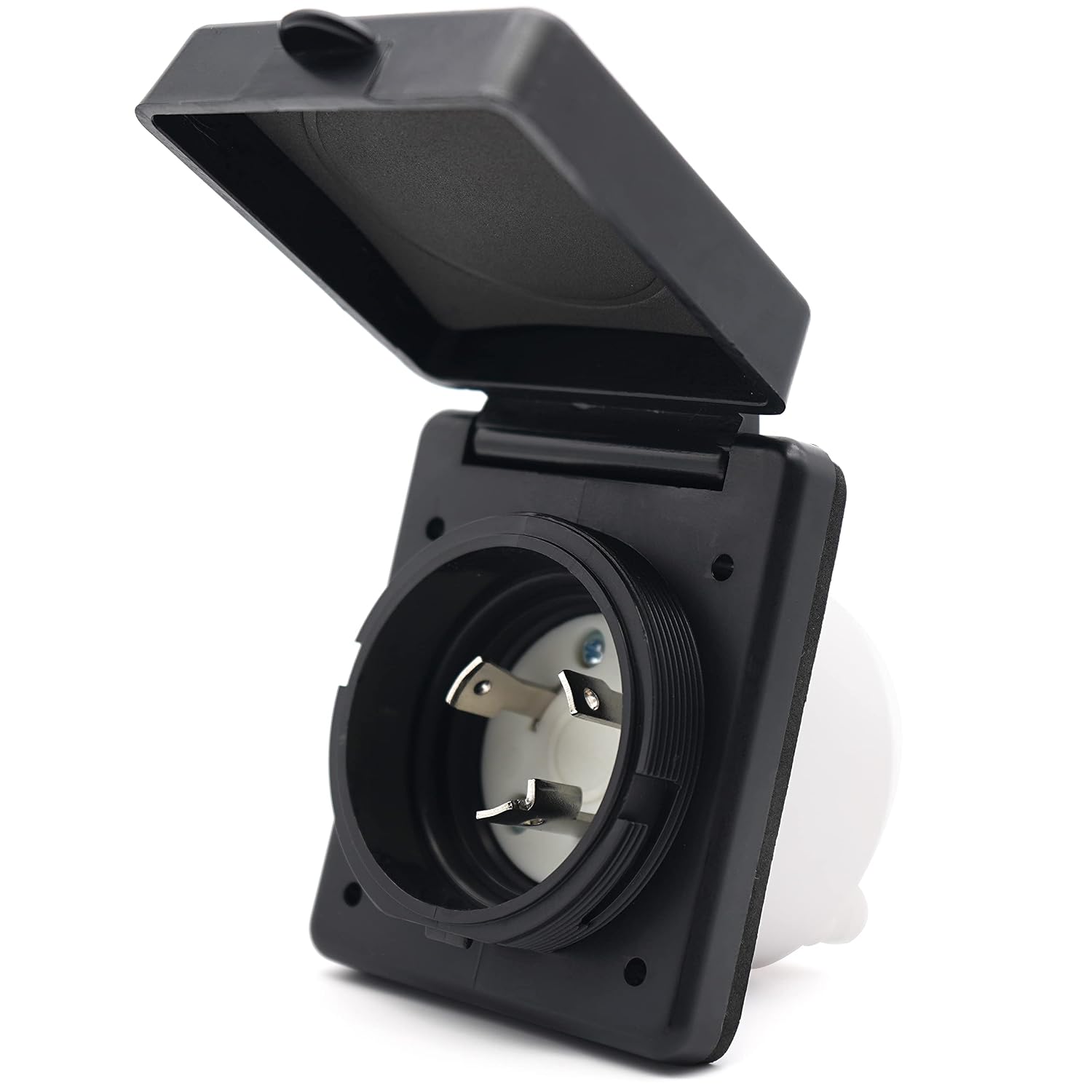
This shore-power inlet presents an L5-30P twist-lock connection inside a covered housing. Its flange provides the mounting points around the inlet.
View on Amazon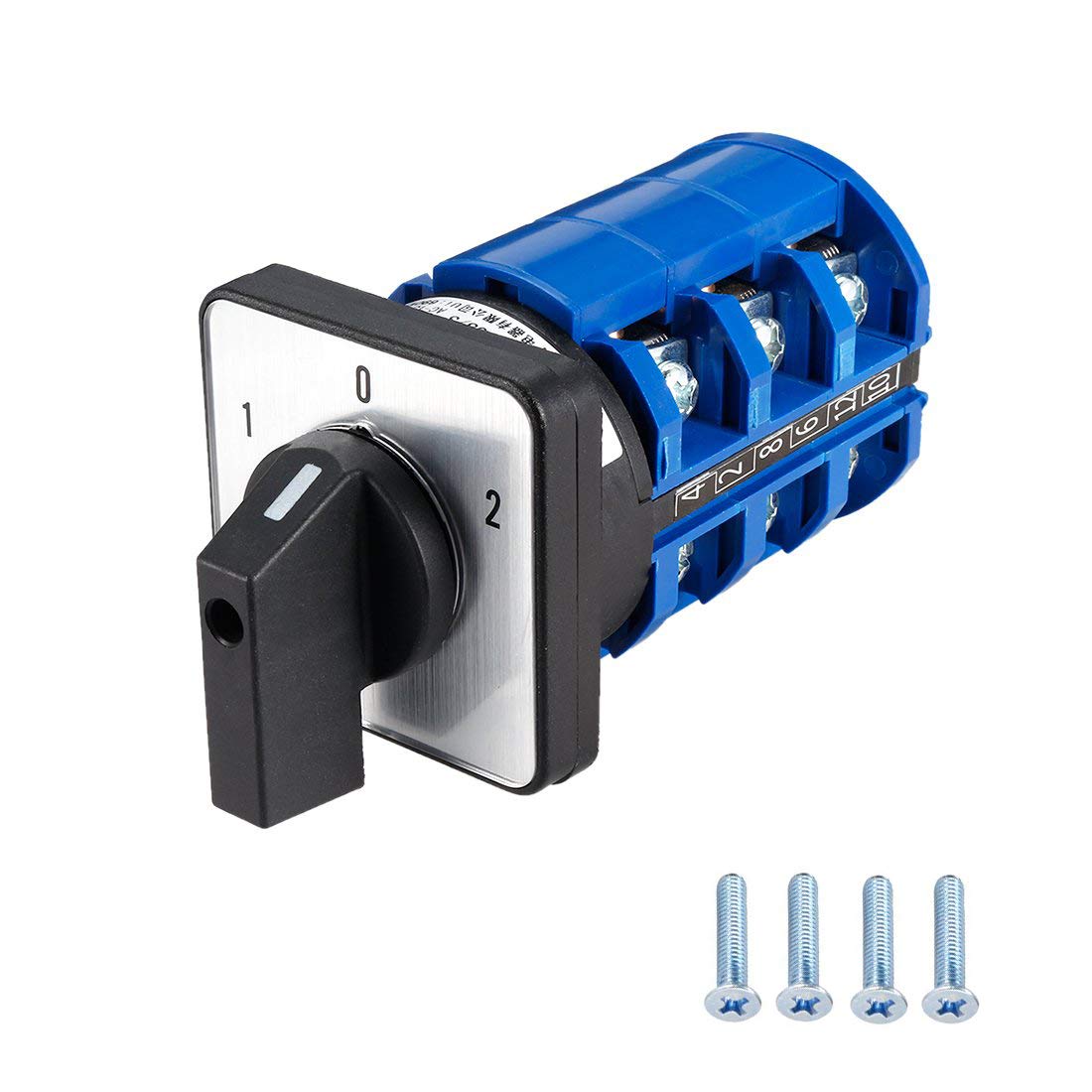
This rotary cam switch has three selector positions and twelve wiring terminals. The purchased LW28-63 version uses a panel-mounted handle and stacked contact body.
View on Amazon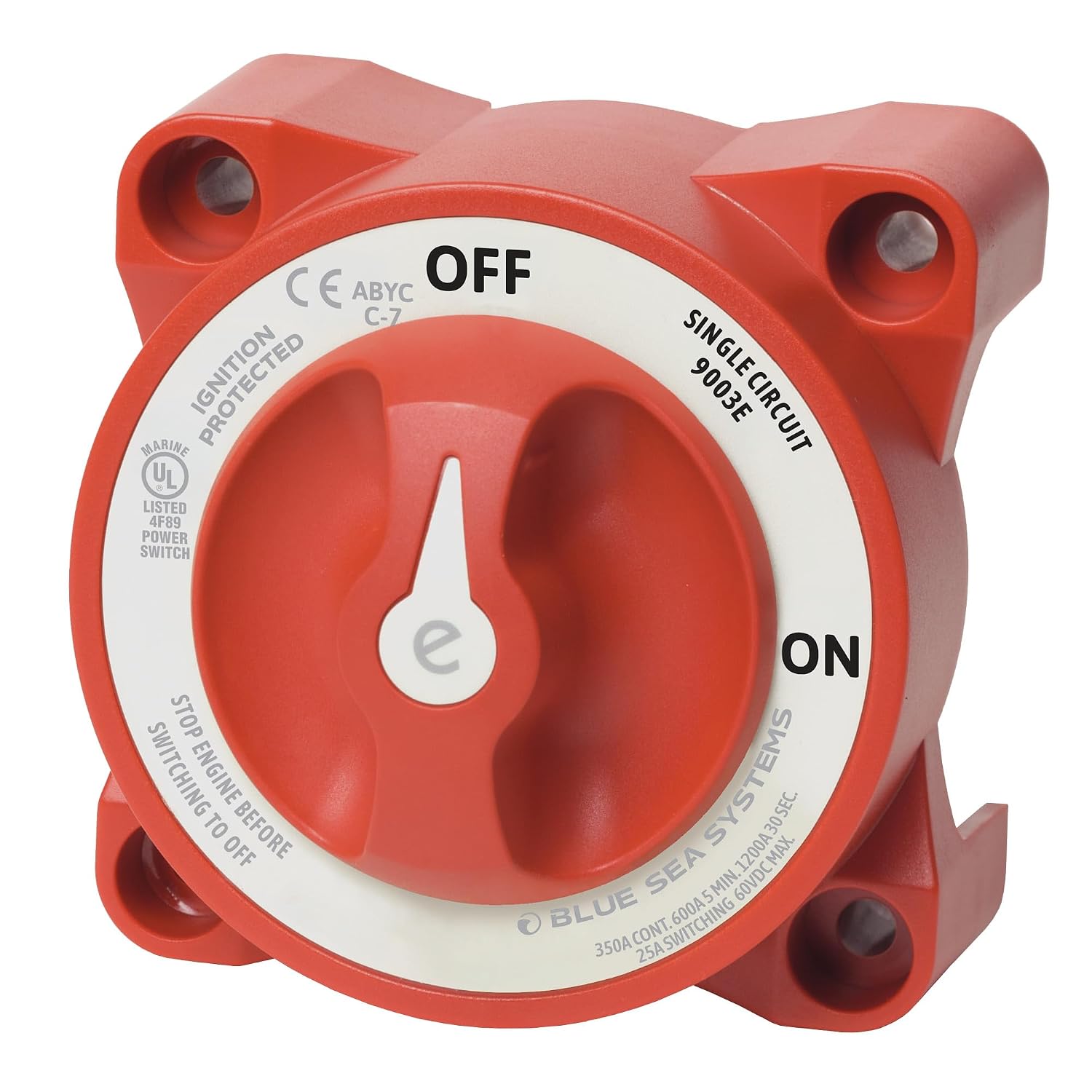
The Blue Sea 9003E is an e-Series rotary battery switch with on and off positions. Its red control turns within a mounting body with rear connection studs.
View on Amazon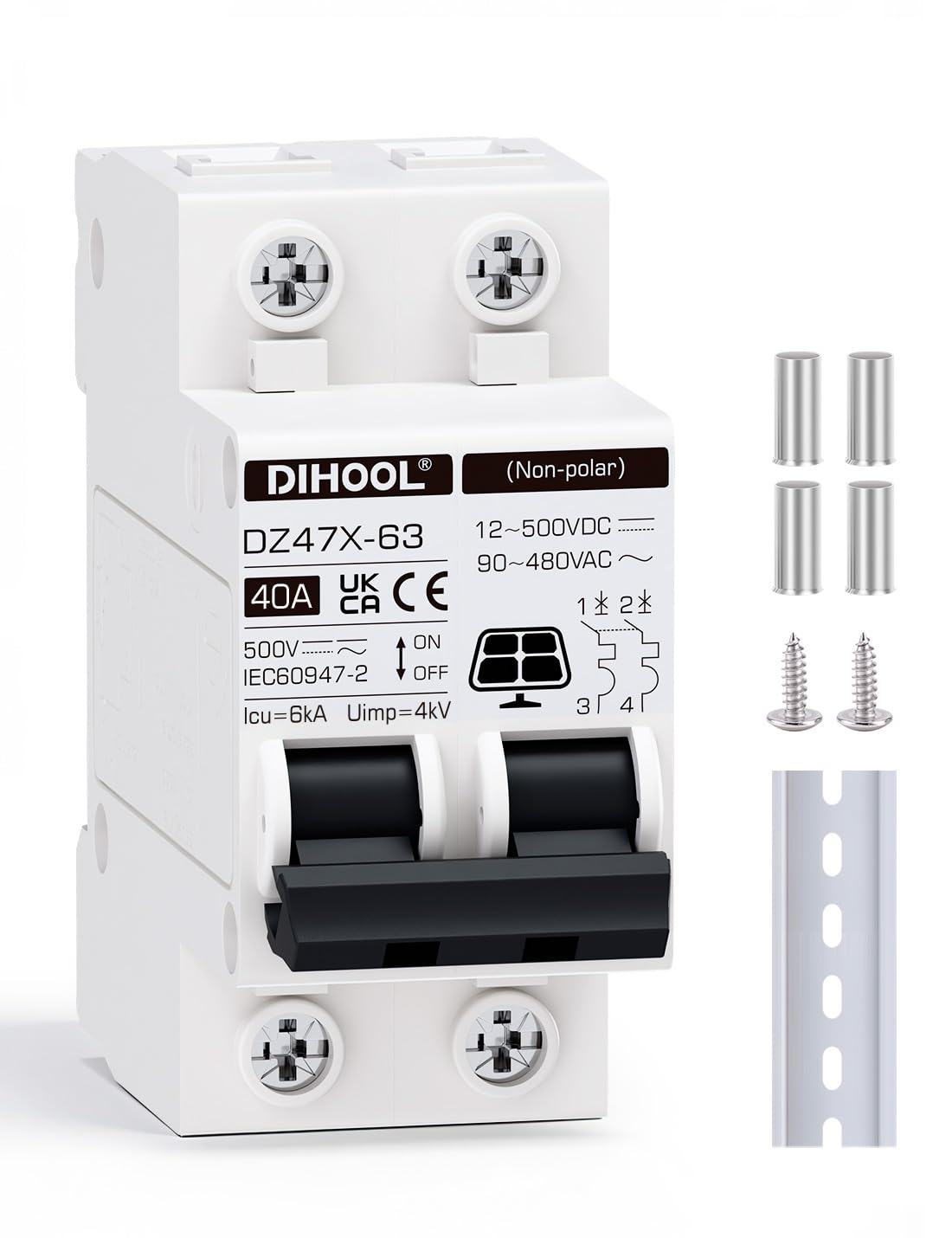
This two-pole circuit breaker clips onto a DIN rail and has a linked operating handle. The purchased DIHOOL version is marked 40 amps.
View on Amazon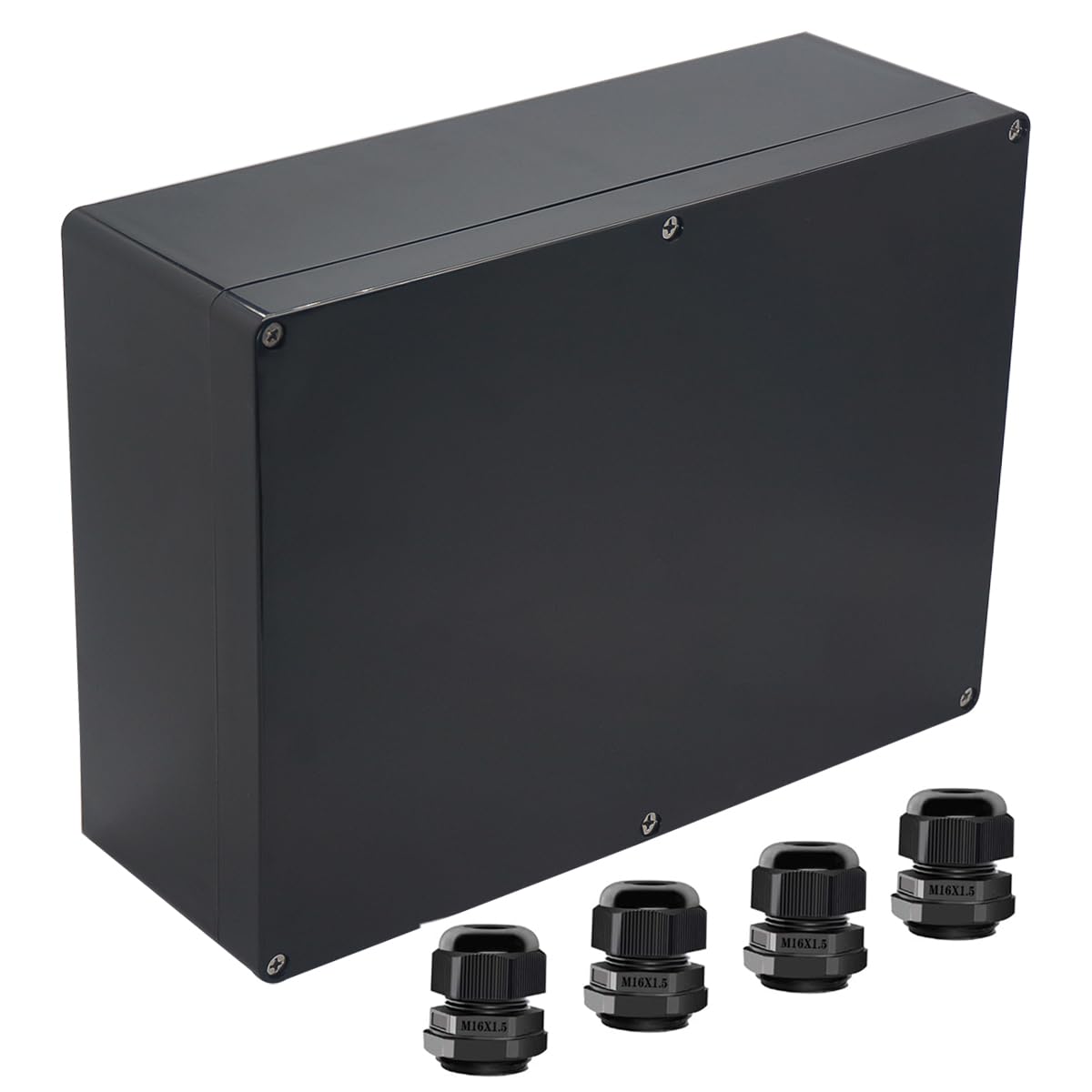
This Otdorpatio project box is an enclosure for electrical project components. It is the larger junction-box model named in my electrical drawings.
View on Amazon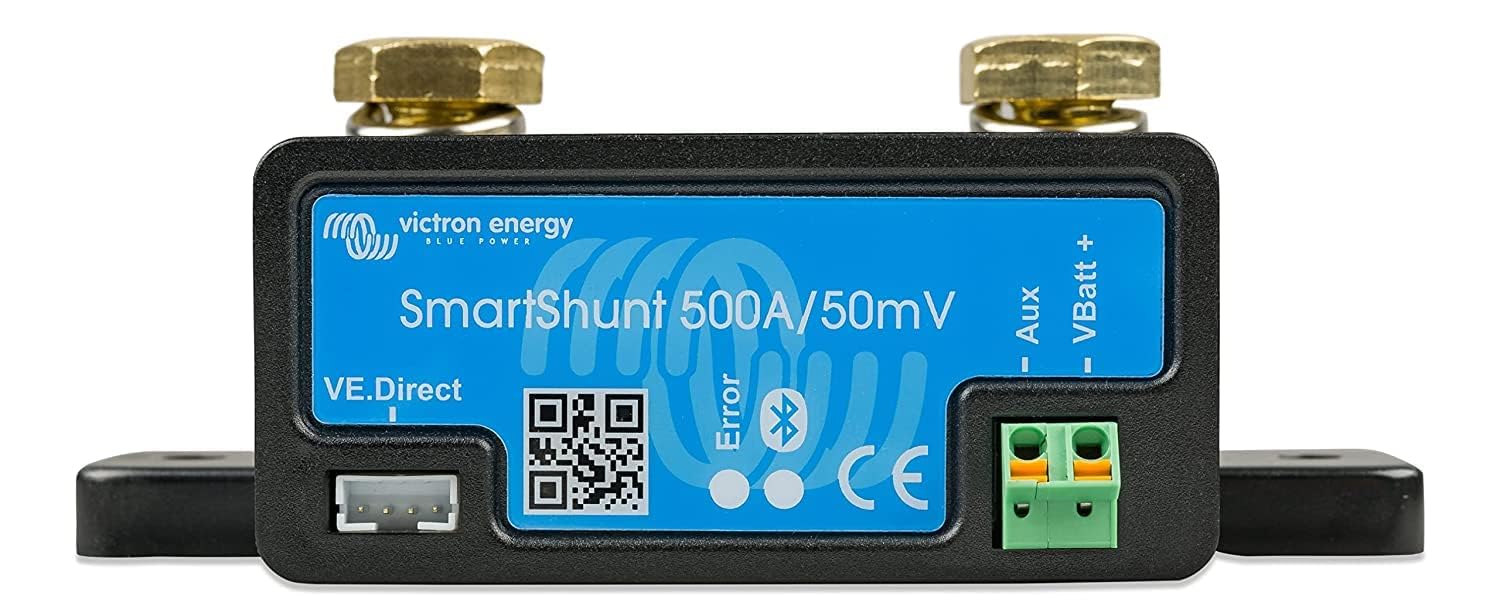
The Victron SmartShunt combines a current shunt with Bluetooth battery-monitoring electronics. Its readings are viewed through the VictronConnect app rather than a dedicated front-panel display.
View on Amazon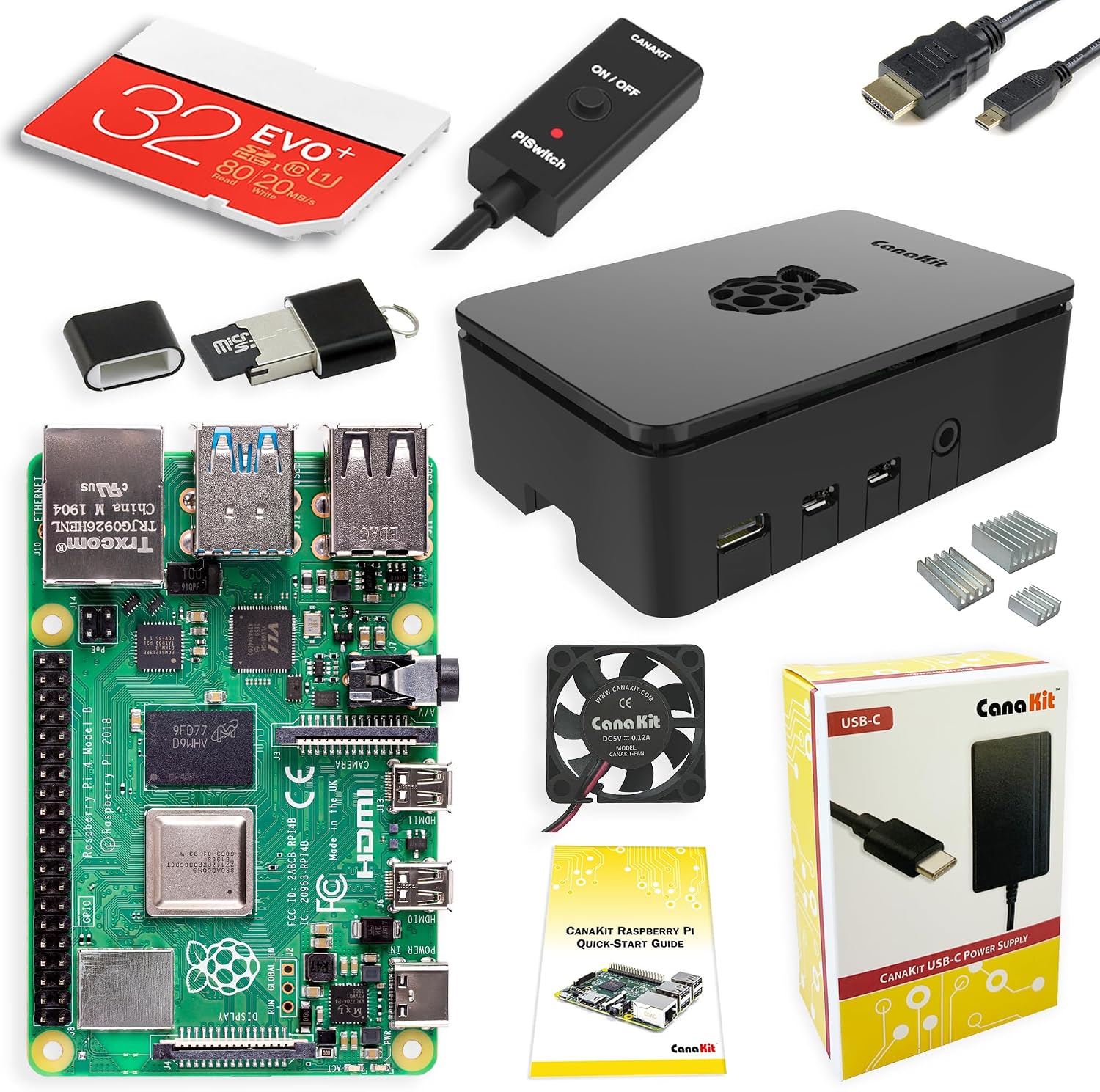
This starter kit packages a Raspberry Pi 4 board with case, power and storage accessories. The purchased board configuration has eight gigabytes of memory.
View on Amazon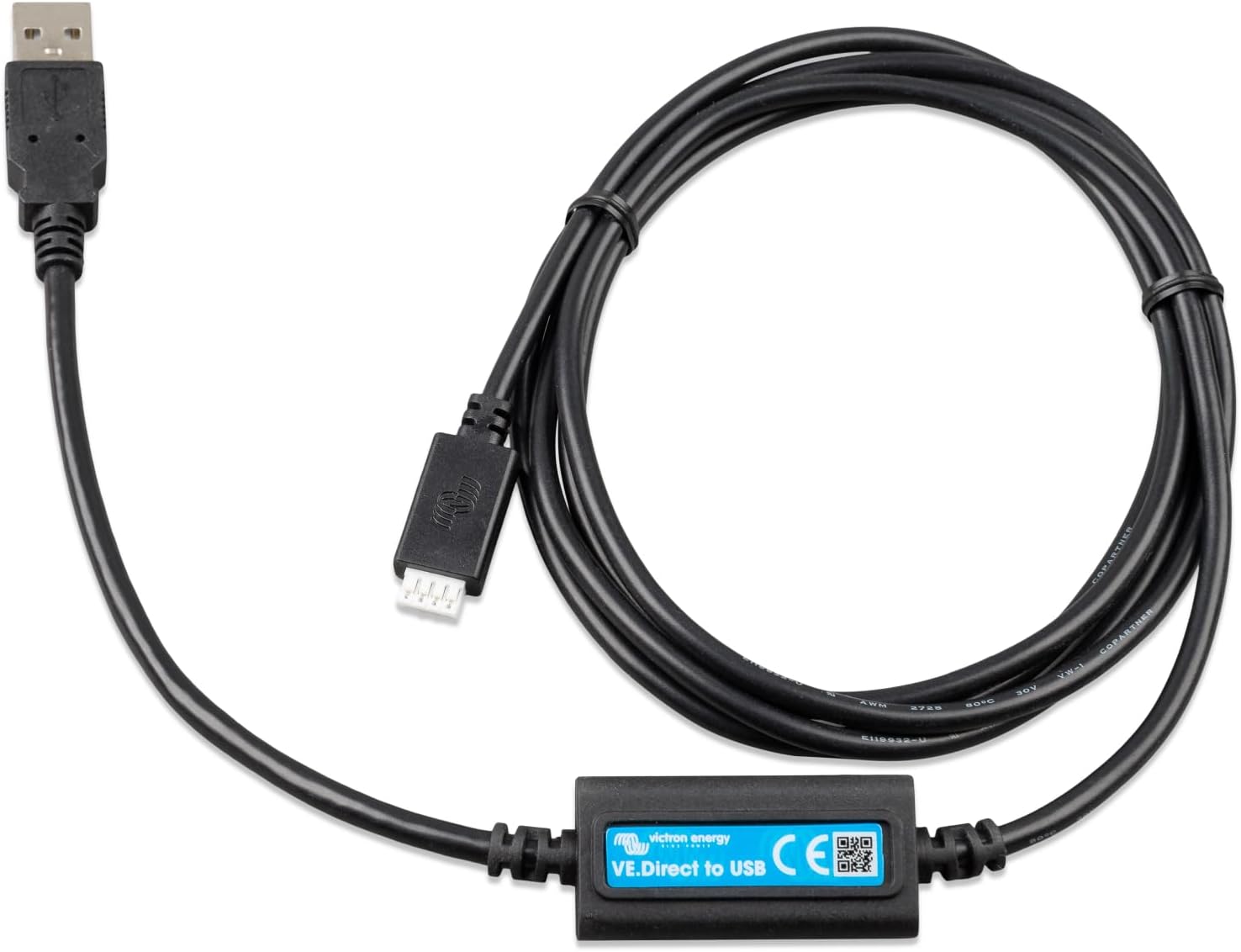
This interface cable connects a VE.Direct port to USB. It provides a wired data connection for compatible Victron equipment.
View on Amazon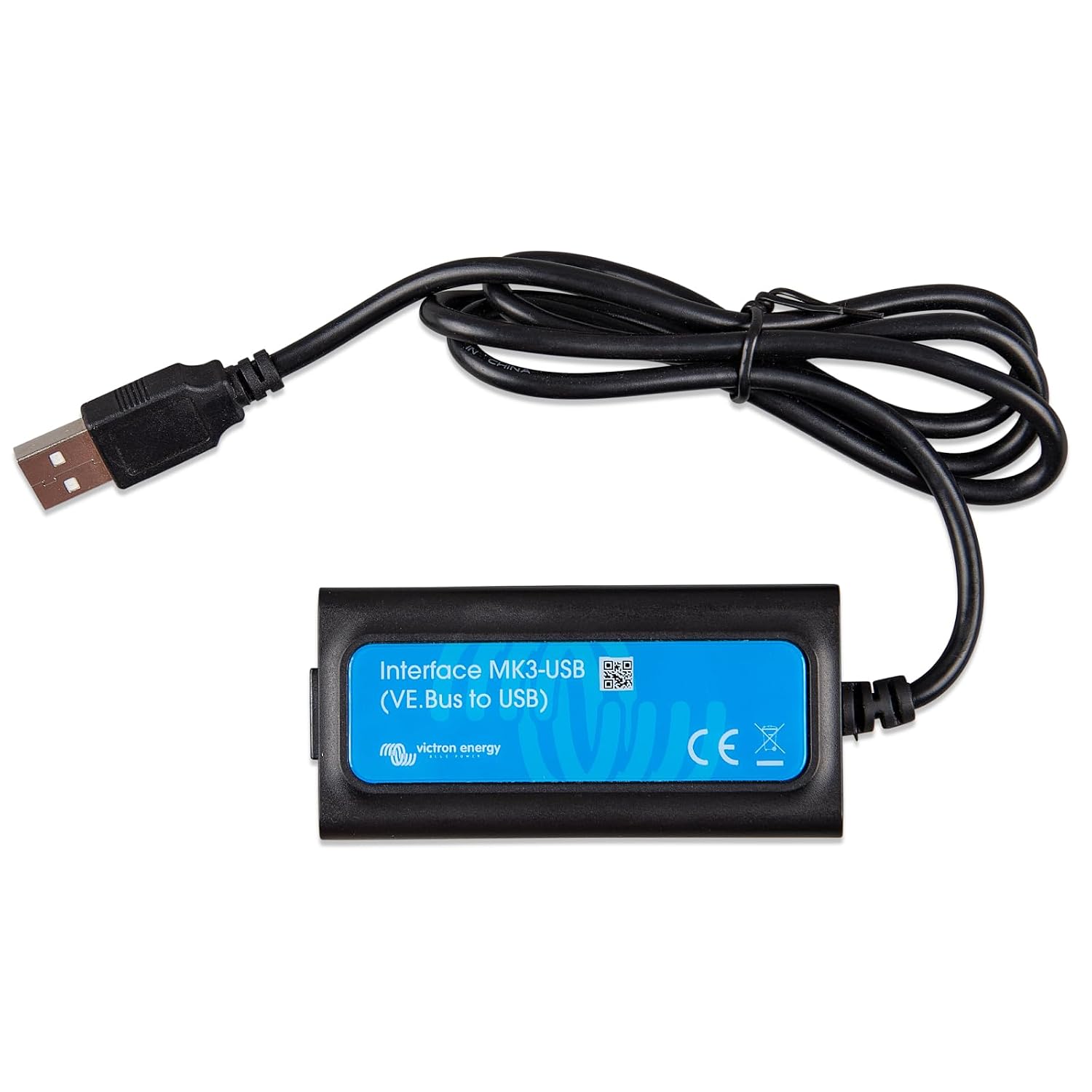
The MK3-USB interface connects VE.Bus equipment to a computer's USB port. Its adapter body links the USB cable to the VE.Bus cable socket.
View on Amazon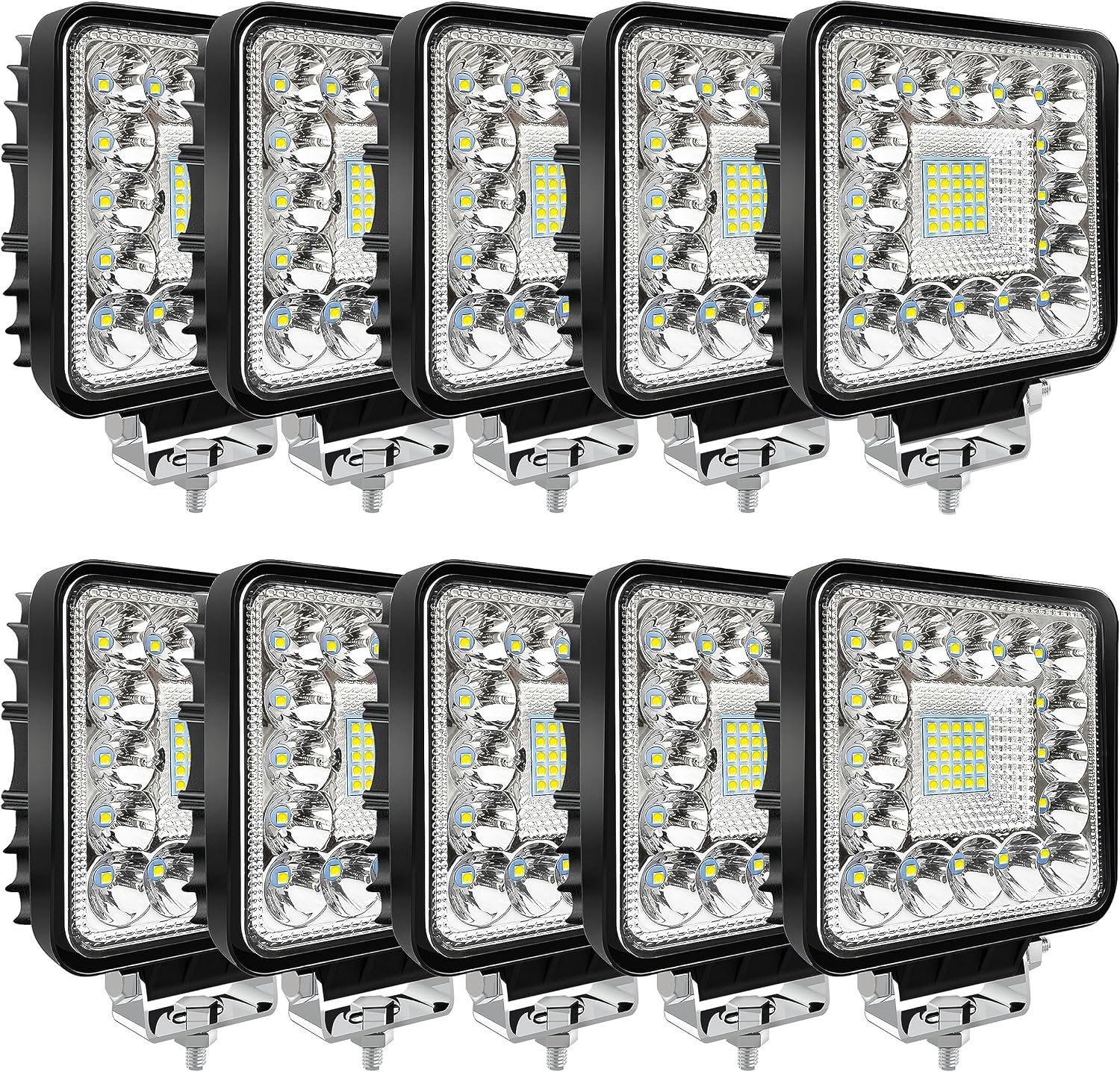
These SanYoung LED pods provide auxiliary illumination around a van. Their mounting brackets attach the lamp housings to a supporting surface.
View on Amazon
This curved LED light bar combines spot and flood illumination in a wide auxiliary fixture. Its long curved housing forms a separate light assembly from the smaller work-light pods.
View on Amazon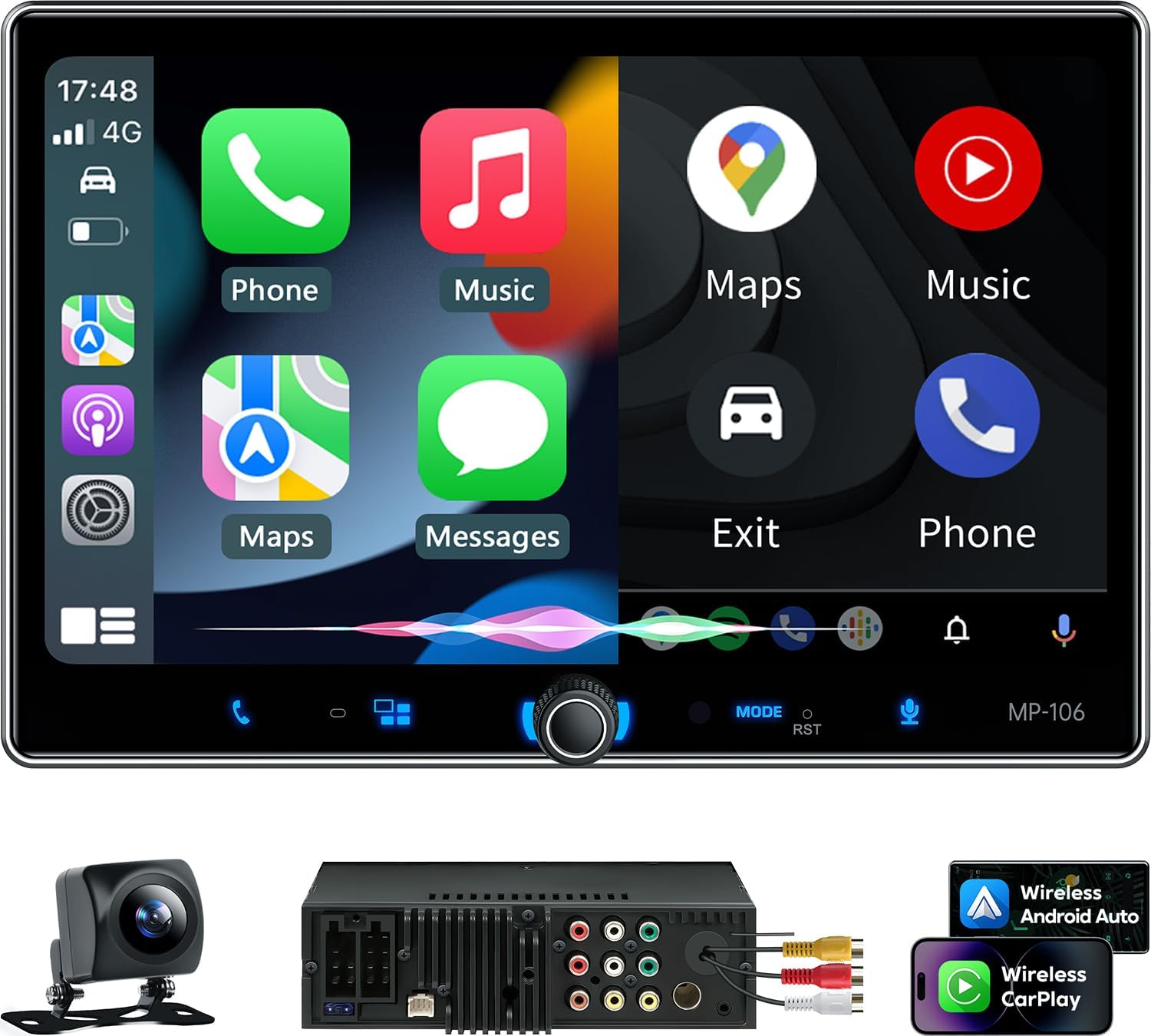
This PLZ receiver combines a touchscreen with wireless Apple CarPlay and Android Auto. Audio connections and a camera input bring several dashboard functions into one head unit.
View on Amazon
This Ciascy kit combines four cameras with a touchscreen monitor and recording functions. A split-screen view displays multiple camera channels together.
View on Amazon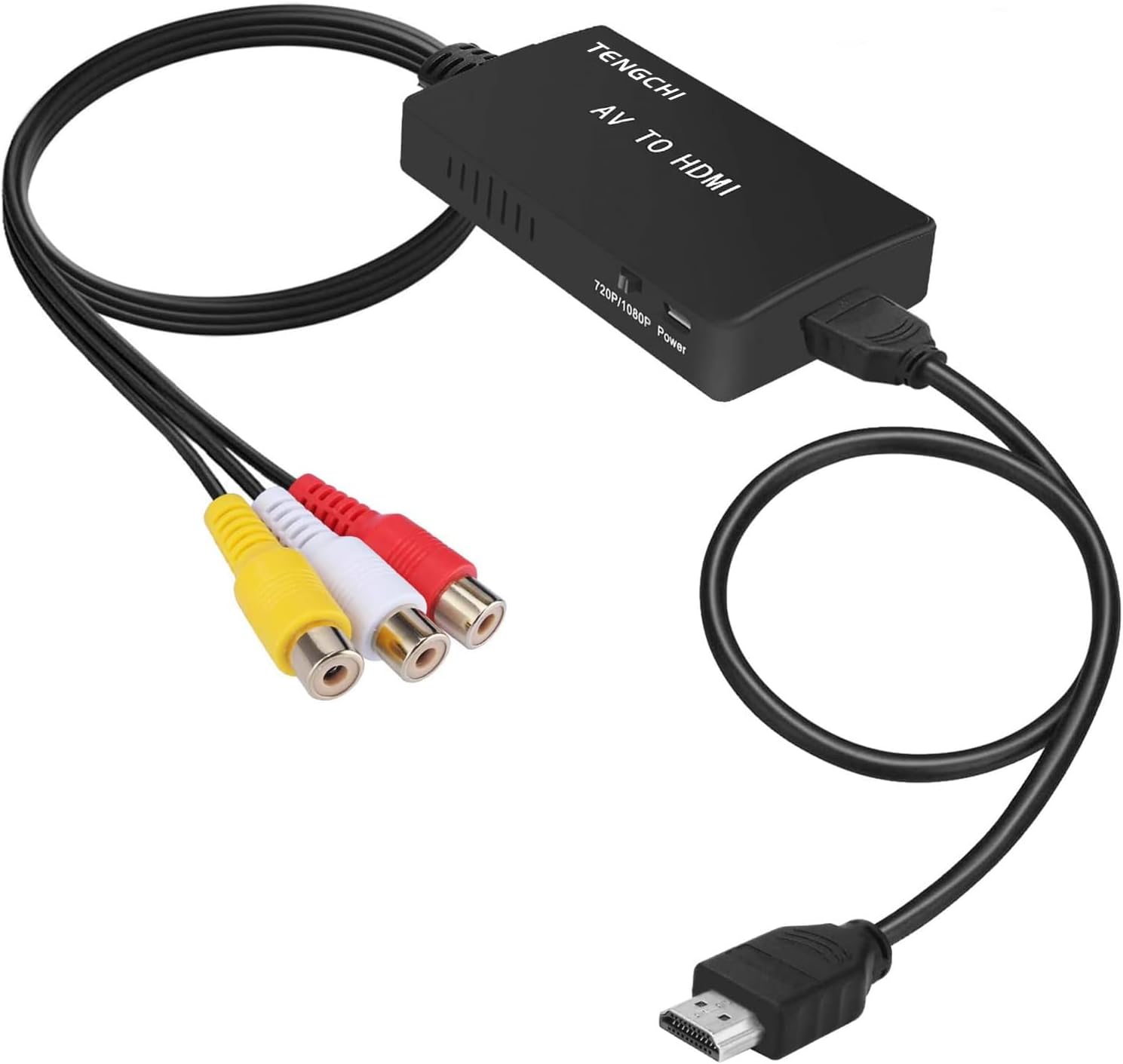
This powered adapter converts composite RCA video and stereo audio into HDMI. The illustrated version has red, white and yellow RCA input leads and an HDMI output lead.
View on AmazonYes. A vehicle-charging arrangement can use a DC–DC charger to manage charging into the house battery. My build changed from a Renogy unit to two Victron Orion chargers.
No. Devices supplied by an appropriate DC circuit do not need an AC inverter path. AC appliances use the AC side of the system.
No. Stored energy and inverter output are separate characteristics. The battery, inverter and connecting circuit each have their own ratings.