My purchased extrusion hardware includes T-shaped plates for side intersections. The roof-mount work taught me to think about the joint layout and slot-nut insertion before tightening everything down.
During the light-bar work I tightened some rack bolts before realizing another nut had to slide in from an opening. Undoing the work let me add it, but made the assembly sequence longer.
That is useful context for the T-plates in my hardware purchases. Choosing the connection shape also means thinking about which face carries the plate, where the nuts enter and how the driver reaches the bolts.
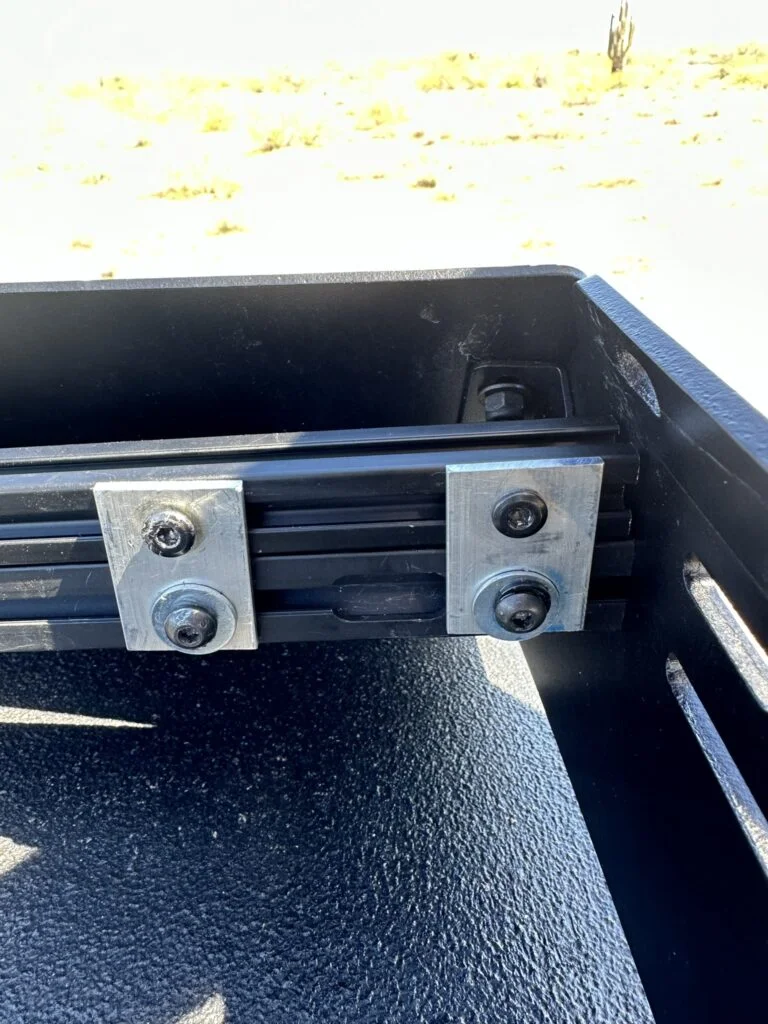
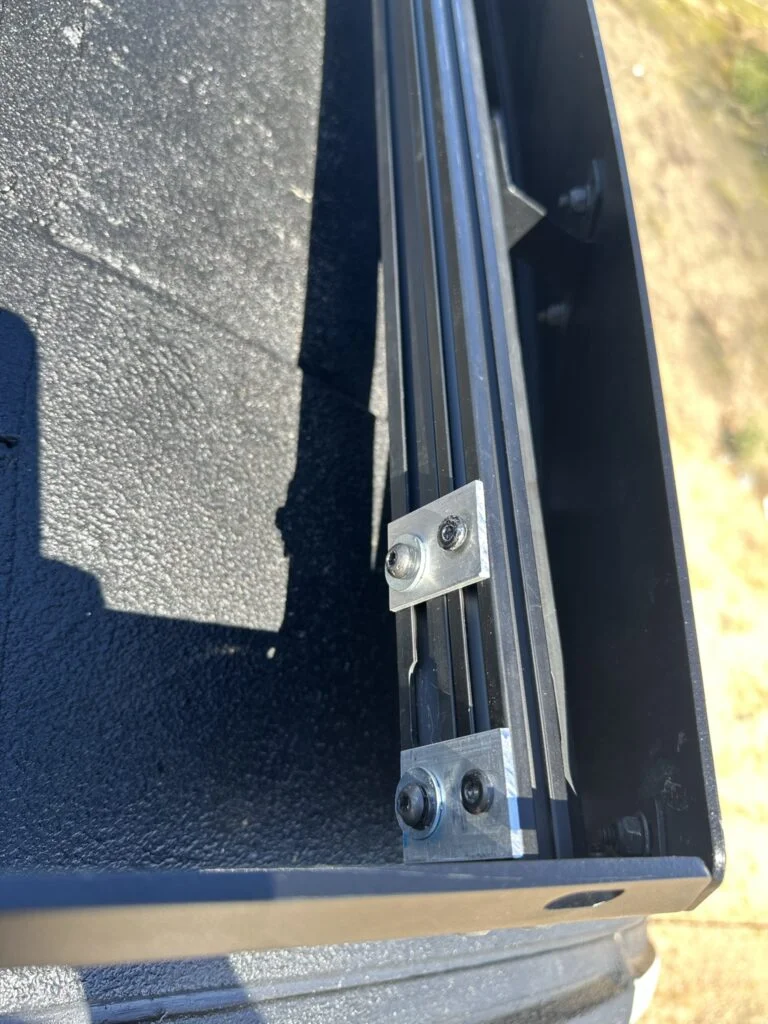
The drilled connectors and fasteners joining my added extrusion to the roof rack.
Choosing the Joint Layout Before Arranging the Fasteners
I prepared the added beam and drilled connectors for the roof equipment.
I joined the two extrusion profiles with their different hardware sizes.
The slot-nut insertion and alignment affected the order in which I could assemble the connections.
The profiles and joint hardware during my roof-mount assembly.
My Takeaway for Choosing the Kit
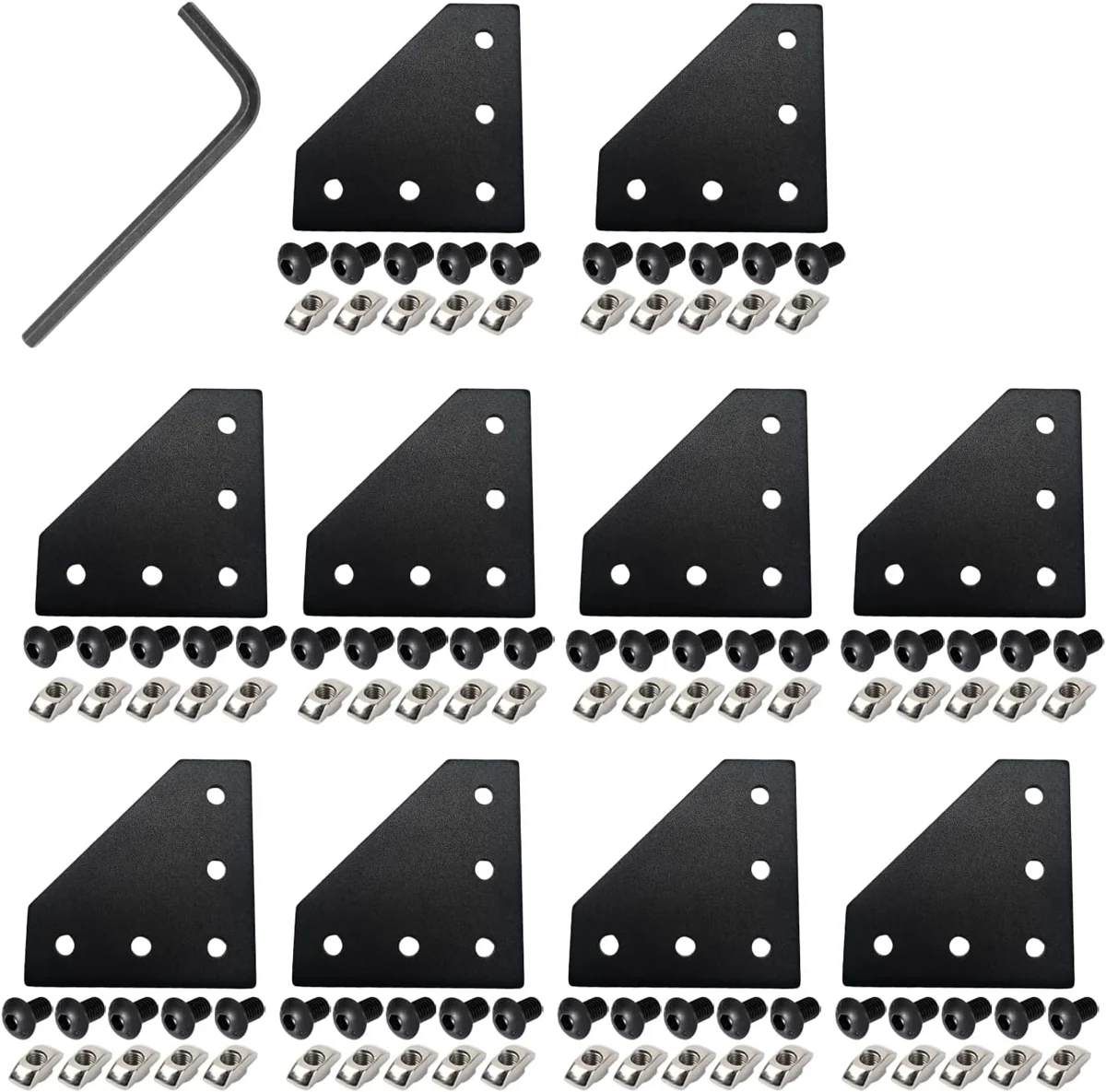
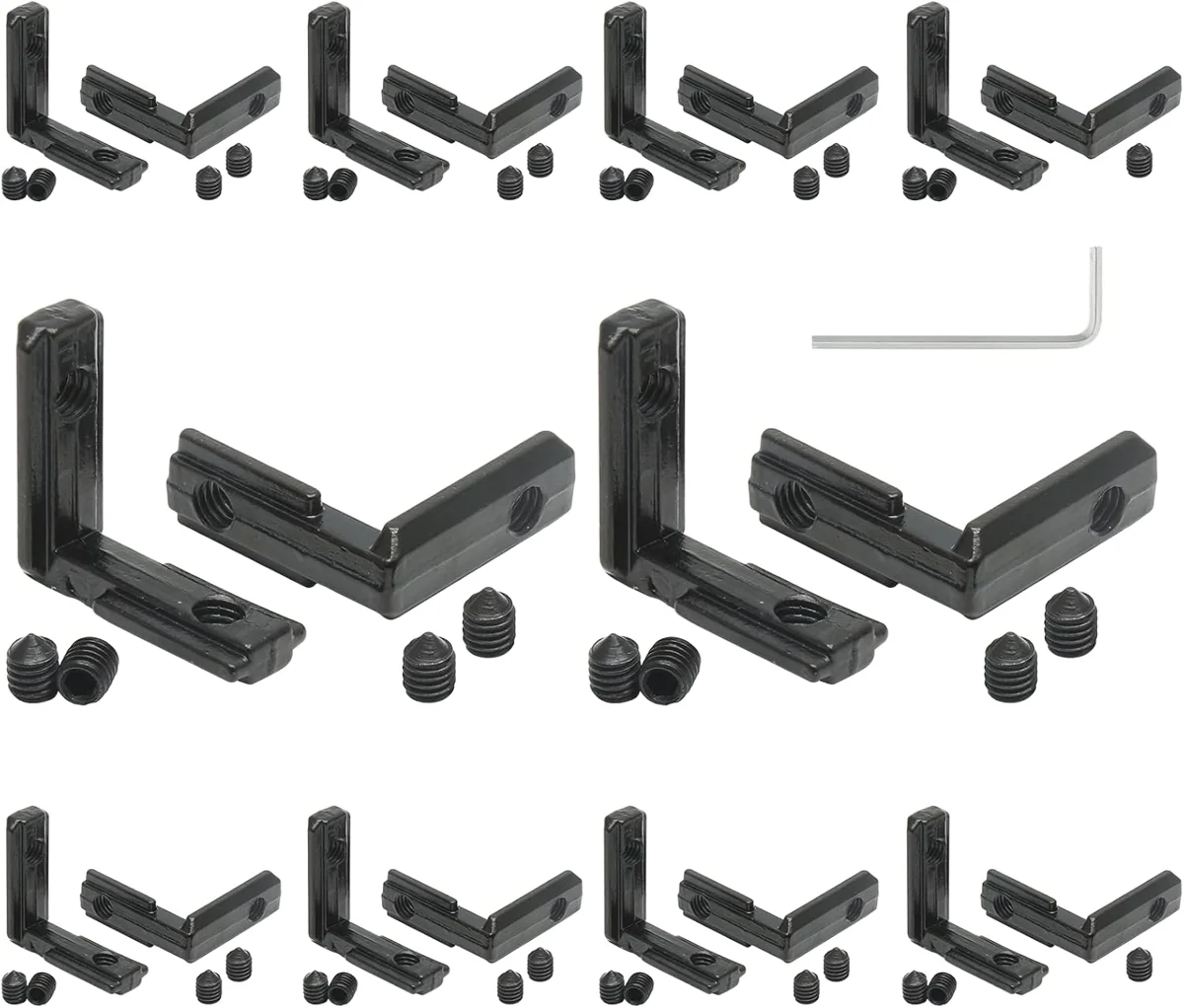
I would start with the frame intersection: a side meeting point, a corner across the faces or a compact inside corner. The T-plate, five-hole L-plate and Qjaiune connector represent those different layouts. They are useful shapes to compare, rather than three interchangeable versions of the custom drilled roof connection in my photographs.
Product Details And Van-Build Uses
Specification
Product Detail
Outline
Flat T shape
Fastening
Drilled positions across arms
Included Hardware
M5 screws and slot nuts
The flat plate places the joint hardware on the outside faces of the rails. In my extrusion work, small differences in joint position changed how easily the nuts and bolts could be reached. A useful layout shows the plate outline, the neighboring rails and the driver approach to each screw. Keeping that sketch with the selected hardware makes the assembled junction easier to compare with an L plate or a bracket inside the corner.
Check the plate position, nut access and the path for reaching each screw head.
Alternative products
Two Alternatives to Compare
The L-plate changes the face connection to a corner layout. The inside-corner option occupies a different position within the joint, making these alternatives for different frame arrangements.