Stainless Ties with Bases: My Conduit Attachment Kit
Metal ties held parts of the conduit route to the rack’s mounting arrangement. My materials included ties with screw-hole bases as well as the ties supplied with the installation tool.
I wrapped and tightened metal bands while adding pipe and junction-box sections around the roof. The attachments were a separate part of the job from connecting the wires and joining the PVC.
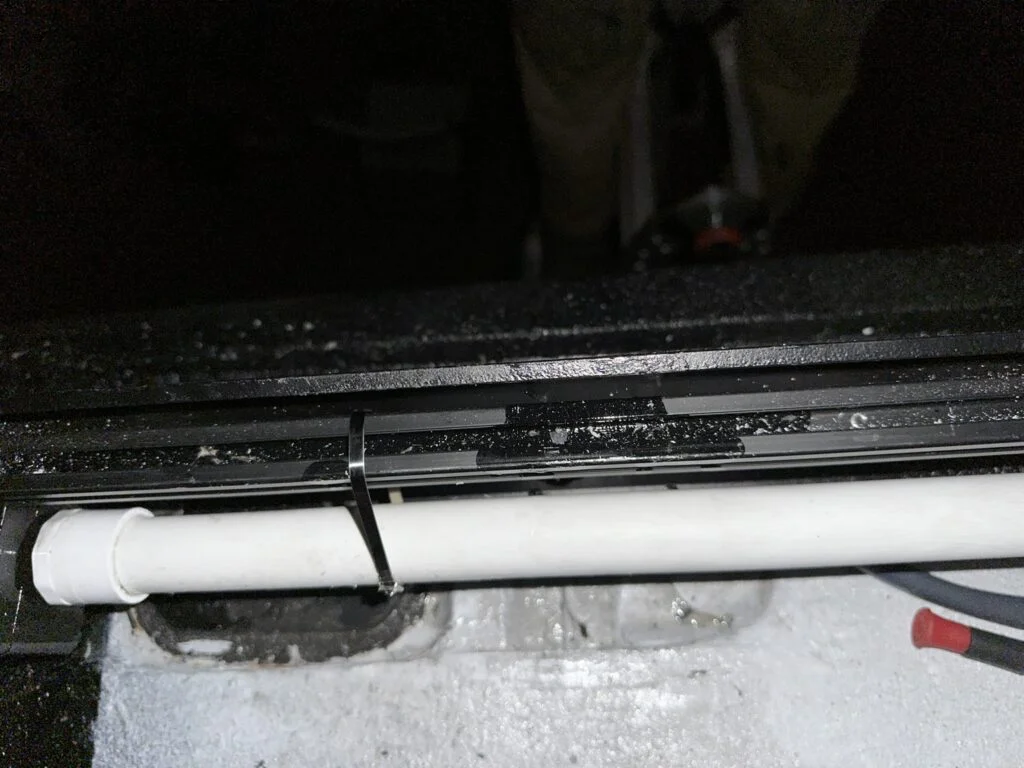
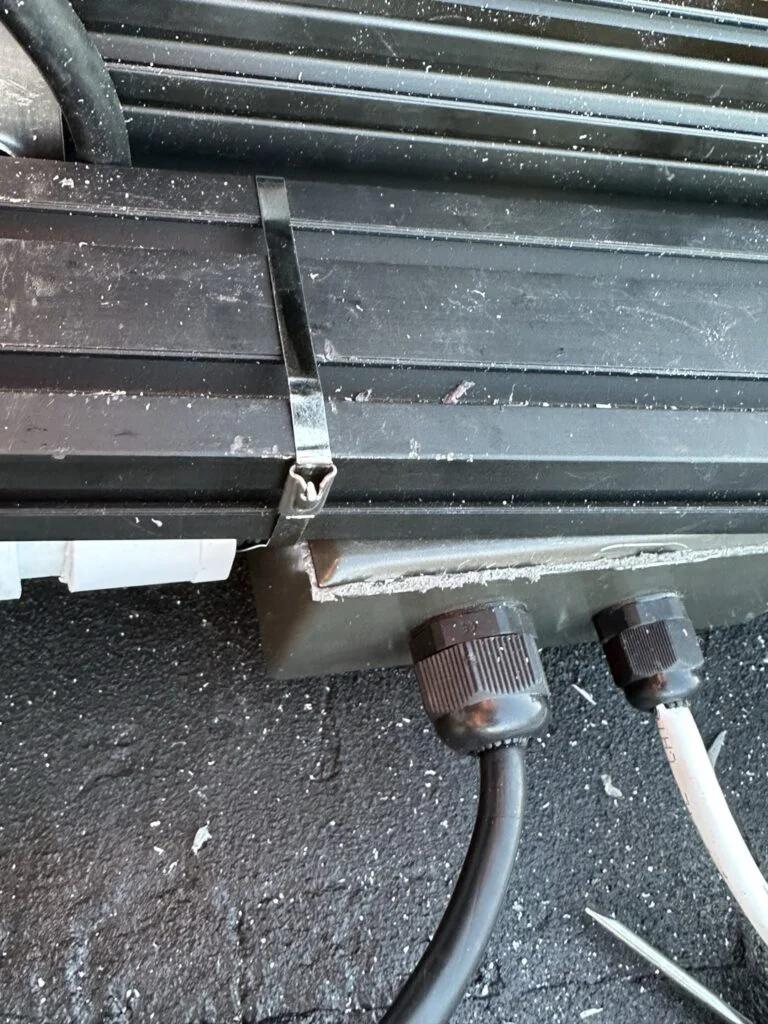
More ties were added during the final assembly session. The photographs show a box-location attachment and a straight run, giving two views of the mounting work these supplies belonged to.
Metal-band attachments along my roof-conduit run.
Holding the Conduit Route to Its Mounting Points
I wrapped metal ties around sections of the roof-conduit assembly.
I added more ties as the pipe and junction-box layout grew.
I tightened the metal-band attachments during the final assembly work.
The attachment arrangement at one of the small roof boxes.
My Takeaway for Choosing the Kit
I would compare the attachment arrangement at each location. The purchased product includes screw-hole bases, while the two alternatives are plain self-locking straps. A loop around components and a base providing another attachment point create different hardware layouts, so I would place the route and the fastening points together before choosing the tie format.
Product Details And Van-Build Uses
Specification
Product Detail
Current Listing
XUTTUM tie-and-base kit
Tie Length
11.8 inches
A stainless tie with a mounting base separates the wraparound strap from the attachment point. The strap goes around the conduit or bundled part, while the base supplies screw holes at the supporting surface. This makes base position, strap length and access for tightening separate layout decisions. For a conduit run, lay out bends and service points before fixing the bases. Keep the strap path on the intended conduit surface and leave access to the screw heads for later inspection or adjustment.
How Are Tie Bases Different From Loose Cable Ties?
A loose tie wraps around the parts being joined. A screw-hole base adds an attachment point on another surface, allowing the conduit route and supporting fastener to be positioned separately.
Alternative products
Two Alternatives to Compare
Both alternatives use plain self-locking stainless-steel straps. The product in my materials list adds screw-hole bases, which is a different mounting arrangement. Compare a loop-around attachment with an attachment that also uses a base when laying out the hardware.
Product
Why compare this option
Purchase link
Stainless-Steel Ties with Mounting Bases
Stainless straps supplied with screw-hole mounting bases.
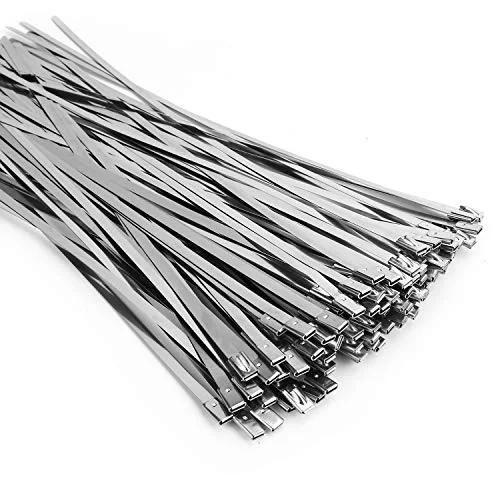
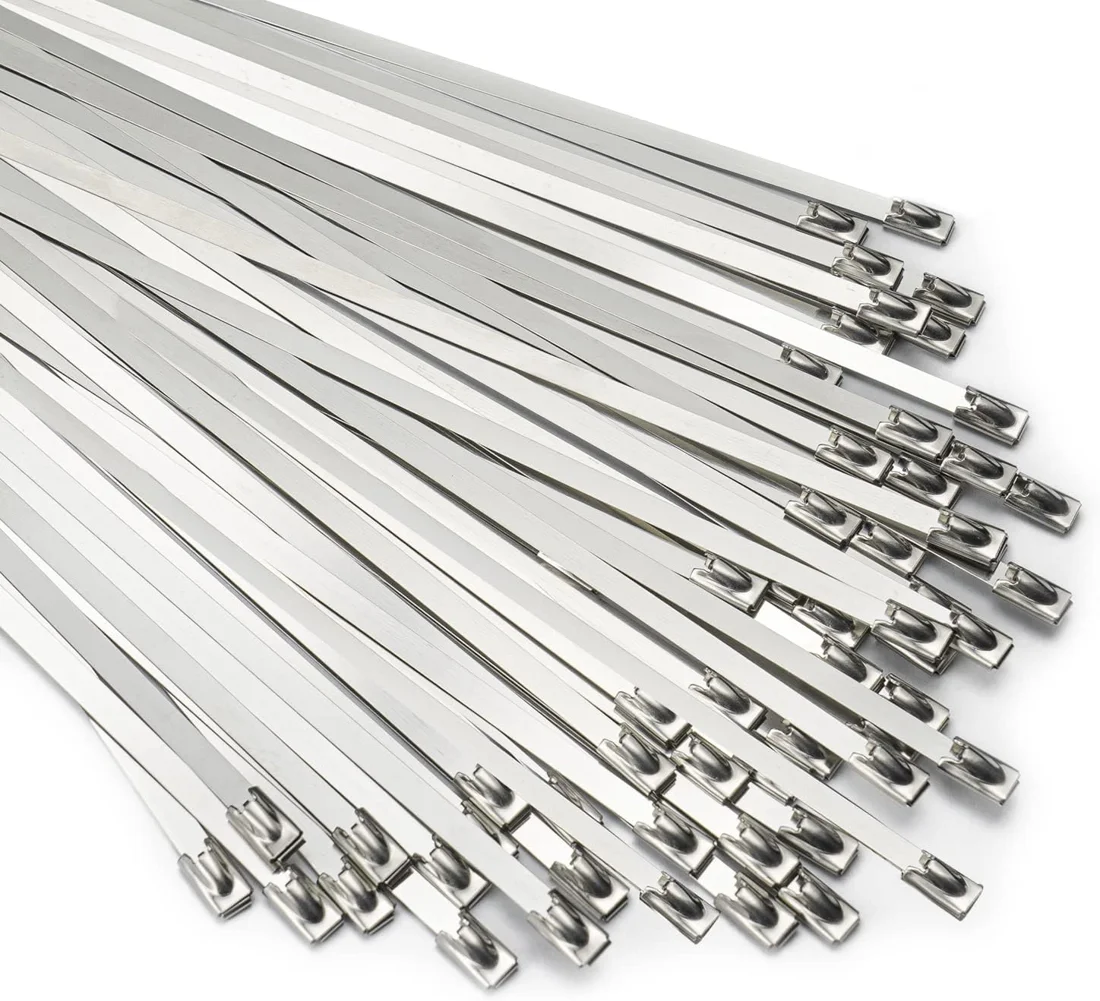
These stainless-steel straps use self-locking heads to form a metal loop around components. Their plain strap format provides a different attachment arrangement from ties with screw-hole bases.
These stainless-steel cable ties wrap around pipes, cables and other bundled components. Their self-locking heads hold the strap after it is pulled through the closure.