The Build Behind This Item
The pipe route grew around the rack one section at a time. Metal ties joined the conduit to its mounting arrangement, alongside the separate drilling, wire preparation and pipe-joint work.
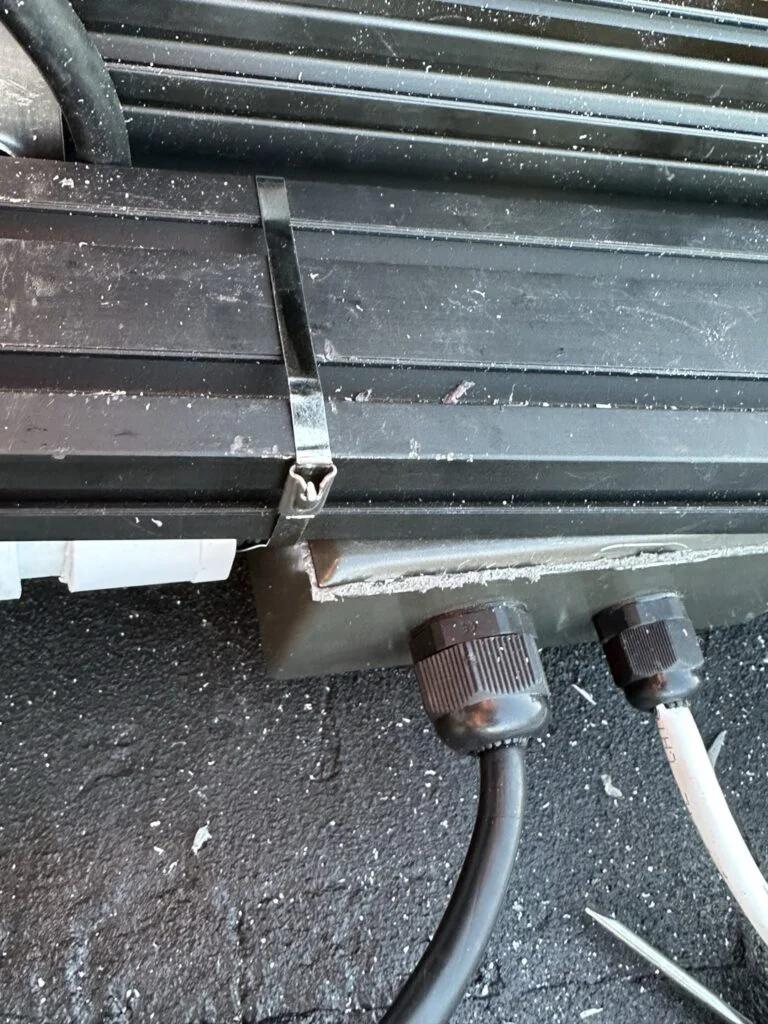
On the final day of this stage I returned to add and tighten more ties. The photographs show the band attachments at a box location and along a straight conduit section.
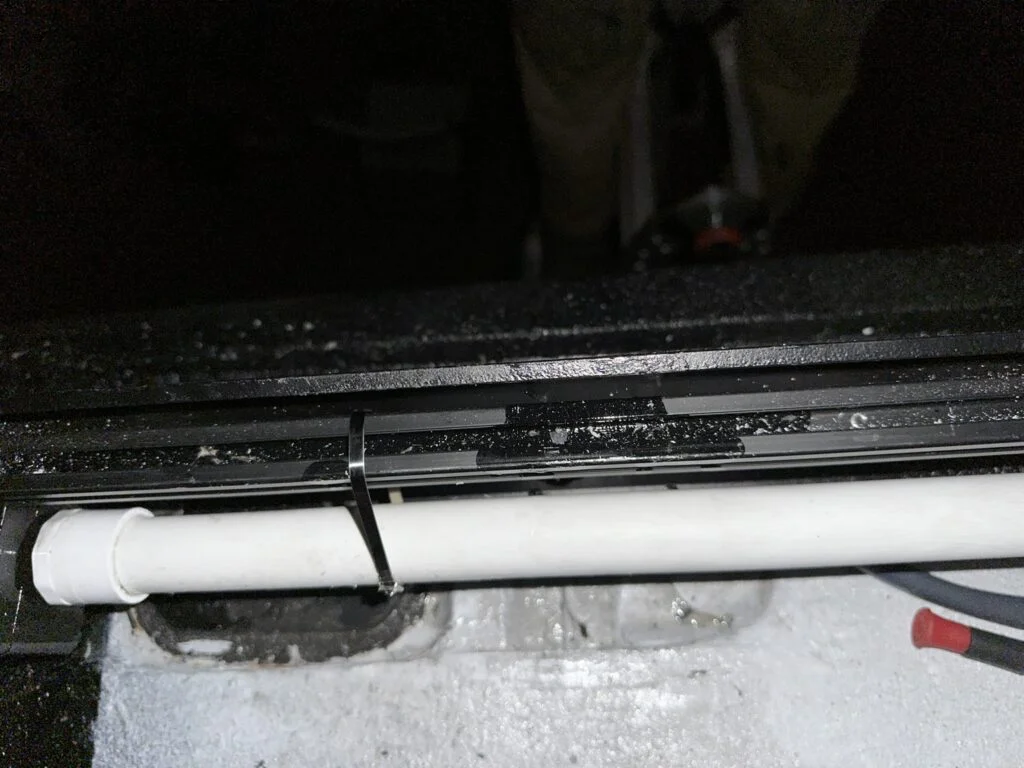
Returning to the Ties as the Route Grew
- I used metal ties to fasten conduit sections to the rack extrusion.
- I tensioned the ties with the metal-tie tool as pipe and box sections were added.
- I returned to add and tighten ties during the final assembly session.
Camper Van Project Applications
Metal cable ties can suit exposed fastening jobs where a plastic tie is not the preferred choice. The tie width and thickness must suit the tensioning and cutting tool. The contact surface also matters because a thin metal edge and a softer conduit or coating behave differently over time.
For a wider view of the build kit, see my van conversion tool checklist and budget versus professional tool comparisons.
Product Details And Van-Build Uses
| Specification | Source Detail |
|---|---|
| Tool Functions | Tensioning and cutting metal cable ties |
| Power Source | Hand operated |
| Fastener Type | Stainless-steel cable ties |
The Amazon listing combines a manual metal-tie tool with stainless-steel ties. The tool pulls the tie tail to tighten the loop and provides a cutting function for the excess. Exterior conduit and cable routing are relevant van applications, and Steven used metal ties to fasten PVC to his roof rack. He found the kit useful and inexpensive but the gripping and cutting mechanism awkward. His account of sharp edges and contact with softer materials stays in his existing review.
My Experience with This Tool
I used the stainless-steel ties on my roof wiring to hold PVC to the roof rack, and anywhere outside the van where I didn't trust plastic ties. Plastic ties had broken down outdoors over time, so metal ties gave me a stronger option.
They come with trade-offs. The metal ties were hard to cut and left sharp edges, and a tight metal tie can wear into whatever it's holding over time. Feeding a tie into the tool's slots, gripping it, pulling it tight and cutting it could all be awkward.
This kit is cheap and does the job when plastic zip ties aren't strong enough. Just expect the tensioning and cutting tool to be fiddly.
Watch My Stainless-Steel Cable-Tie Gun Kit Review
I used this kit to fasten PVC to the roof rack. My narrated review covers its value and the fiddly feeding, gripping, tensioning and cutting.
Press Play To Start The Video.
Read The Video Transcript
Hi, I'm Steve Smith with Camper Van Freedom. I used this stainless-steel cable-tie gun kit while fastening P V C conduit to my roof rack. Plastic ties had broken down outside over time, so I used metal ties where I wanted a stronger option. This kit was cheap and did the job, but operating the tool could be fiddly.
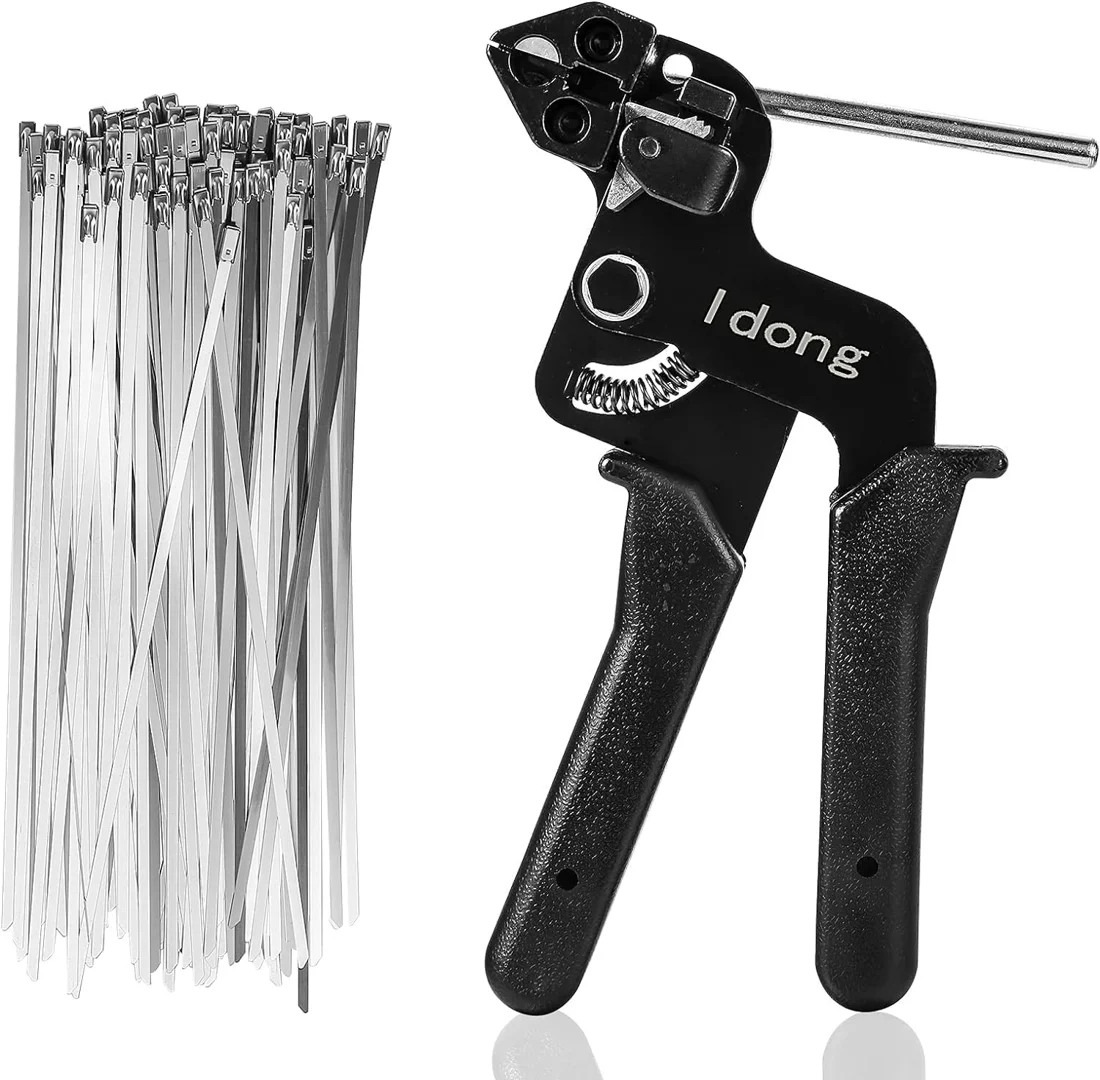
The matching product picture shows the hand-operated tool and a supply of metal ties. The tool pulls the tie tail to tighten the loop and provides a cutting function for the excess. That combines the fastening material and the tensioning-and-cutting tool in one kit, rather than making the ties and the hand tool the same item.
My roof-route photographs show band attachments beside a junction box and along a straight conduit section. The route grew as more pipe and box sections were added around the rack. I returned to add and tighten more ties during the final assembly session. These are my build photographs; the workshop clip illustrates general measuring and holding work.
The installation sequence involved feeding a tie into the tool's slots, getting it to grip, pulling it tight and cutting it. Those operations could all be awkward in my use. The tool's job matters alongside the tie supply, because the same tensioning and trimming work returned as I added more attachments along the route.
My experience with the metal ties included their trade-offs. They were hard to cut and left sharp edges. A tight metal tie can also wear into whatever it is holding over time. Those observations belong with my positive account of using the kit outside where plastic ties had broken down.
My junction-box photograph shows one of those attachment locations beside the rack. The bands were part of fastening the conduit arrangement, alongside the separate drilling, wire preparation and pipe-joint work. The photograph helps show the physical fastening job that the tie tool supported as the roof route came together.
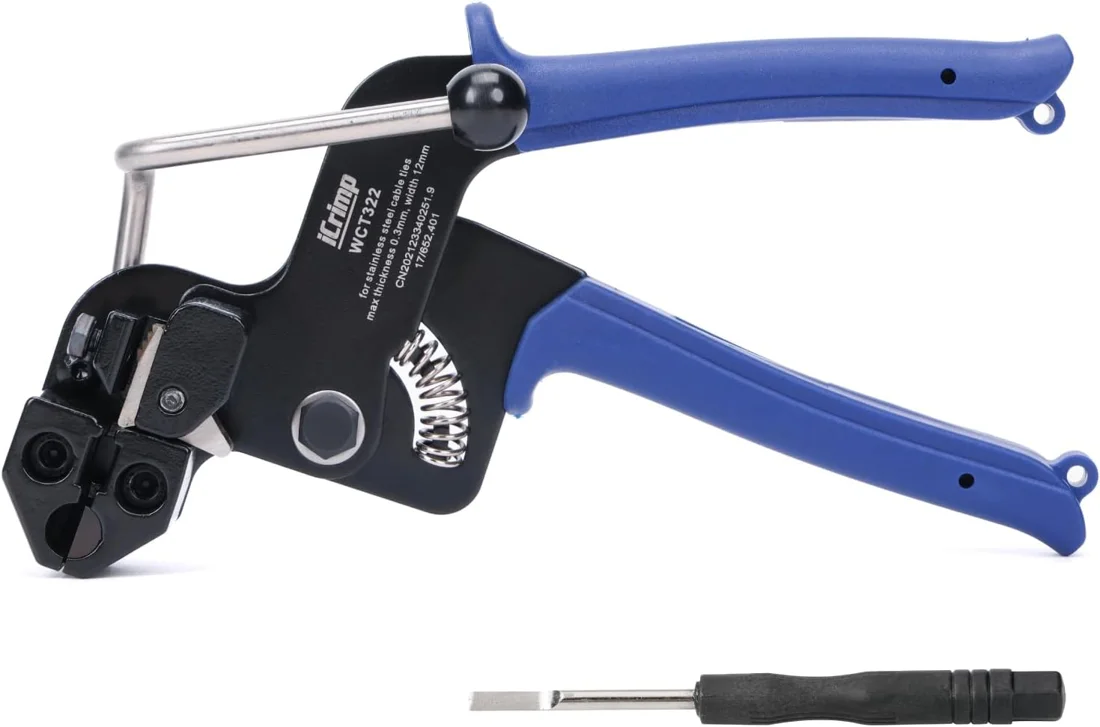
My page compares two researched alternatives. The Idong option is another kit combining a metal-tie tensioning tool with ties. The iCrimp option provides a different one-handed tensioning-and-cutting arrangement, with a release tool included. Their matching pictures show the tool formats. These are comparison options, rather than additional kits I am claiming to have used.
Thanks for watching. I'm Steve Smith with Camper Van Freedom. My metal-tie kit was inexpensive and useful for the roof-conduit work, although feeding, gripping, tensioning and cutting could be fiddly. The full review, matching build photographs, product reference and current buying options are linked below. Until next time.
Watch This Review On YouTube · English Captions (VTT) · Download The Transcript
My Takeaway for Choosing the Kit
I would organize the tool and the metal ties as one part of the mounting kit. My purchase and the Idong alternative combine an installation tool with ties; the iCrimp alternative provides a different tensioning-and-cutting tool with a release tool. The repeated fastening in my diary explains why the tool operation matters alongside the tie supply.