The Item in My Kit
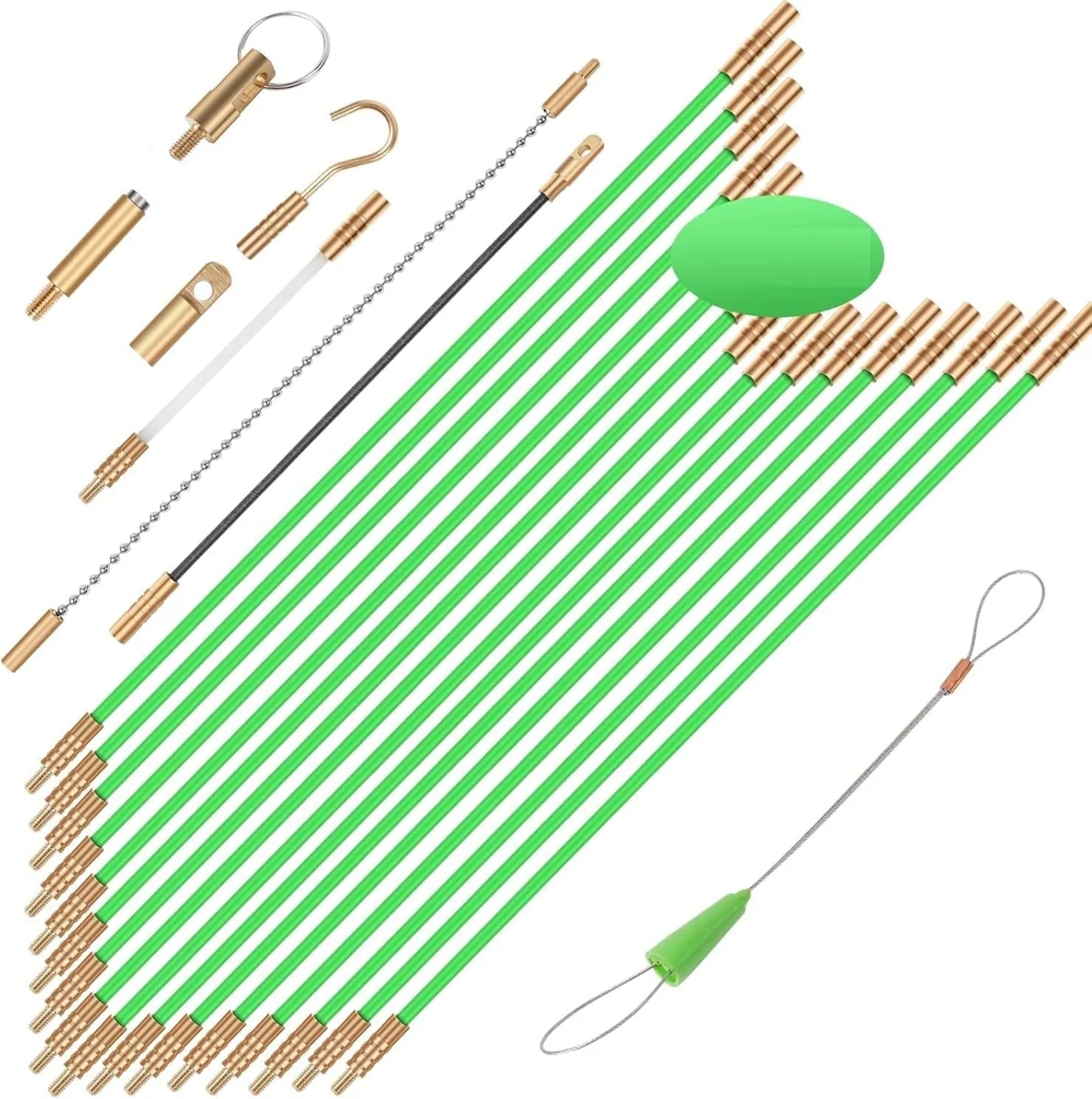
I bought Boeray Fiberglass Wire-Pulling Rods as part of my camper van equipment.
Bringing the roof wiring into the van involved more than making connections at each box. This rod kit is part of my purchased routing tools for reaching through enclosed paths.
Choosing a Sectional Guide or a Continuous Fish Tape
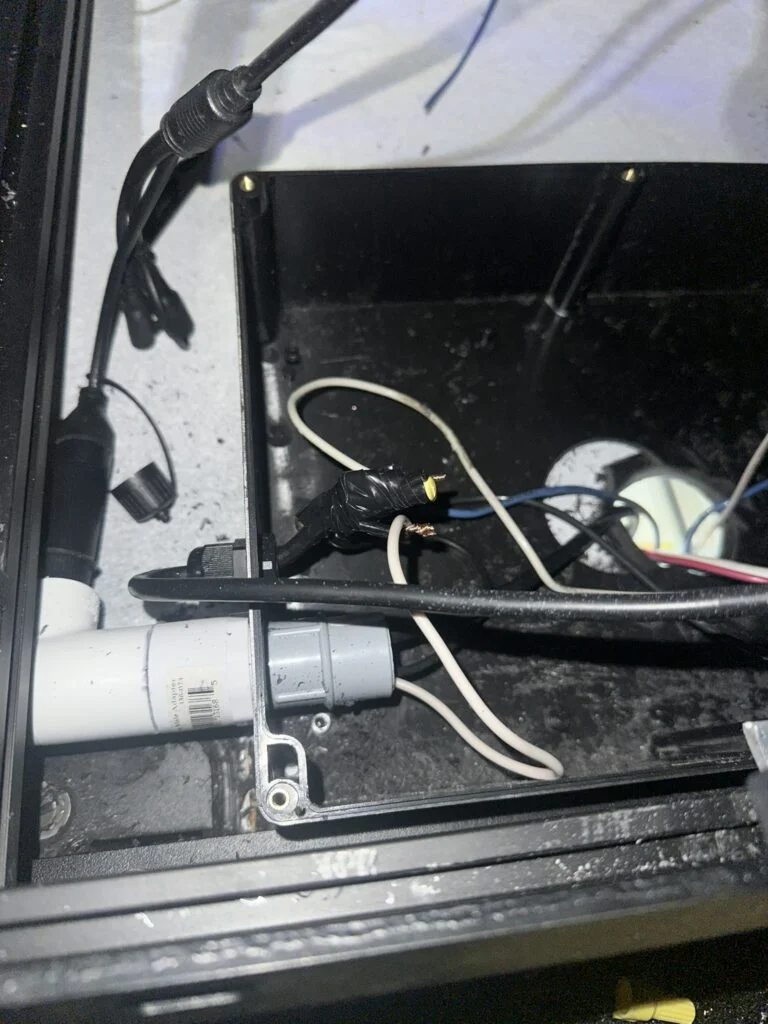
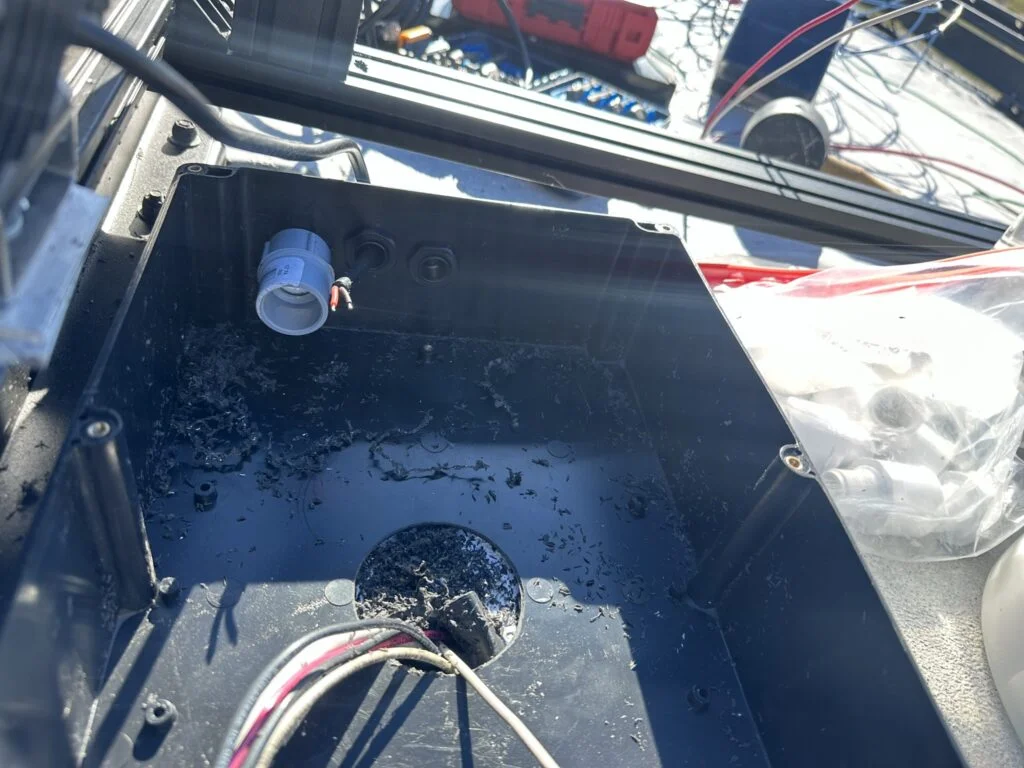
- I routed the camera cable through a gland into a tee.
- I brought roof wiring through the larger box and down into the van.
- My routing-tool purchases included sectional fiberglass rods with different end attachments.
Camper Van Project Applications
Sectional rods and a coiled fish tape solve access problems differently. Rods assemble into a route one section at a time, while a roll stores a longer continuous puller. Compare the bends, congestion and room to assemble the tool with the particular cable route, not just its advertised total length.
For a wider view of the build kit, see my van conversion tool checklist and budget versus professional tool comparisons.
Product Details And Van-Build Uses
| Specification | Source Detail |
|---|---|
| Construction | Sectional fiberglass rods |
| Listed Assembled Length | 11 feet |
| Storage | Carrying case |
| End Fittings | Interchangeable attachments |
The exact-ASIN retailer listing describes an eleven-foot fiberglass rod kit with interchangeable end attachments and a carrying case. Threading the short sections together builds the guide length; the attachments help guide or retrieve a lead. This format differs from a steel fish tape that feeds continuously from a reel. Steven preferred his thicker metal fish-tape roll because it took less assembly and gave him more pulling force through crowded van spaces.
My Experience with This Tool
I didn't use these rods much. For pulling wire through the van's nooks and crannies, I preferred the metal fish-tape reel I bought at Home Depot years ago, because I could put more force behind it.
Setting up the rods meant screwing the sections together and unscrewing them again afterward, which was slower and more tedious than using the reel. The rods are light and flexible, so they worked better for small wires than for heavier wire or crowded routes that needed a firmer pull.
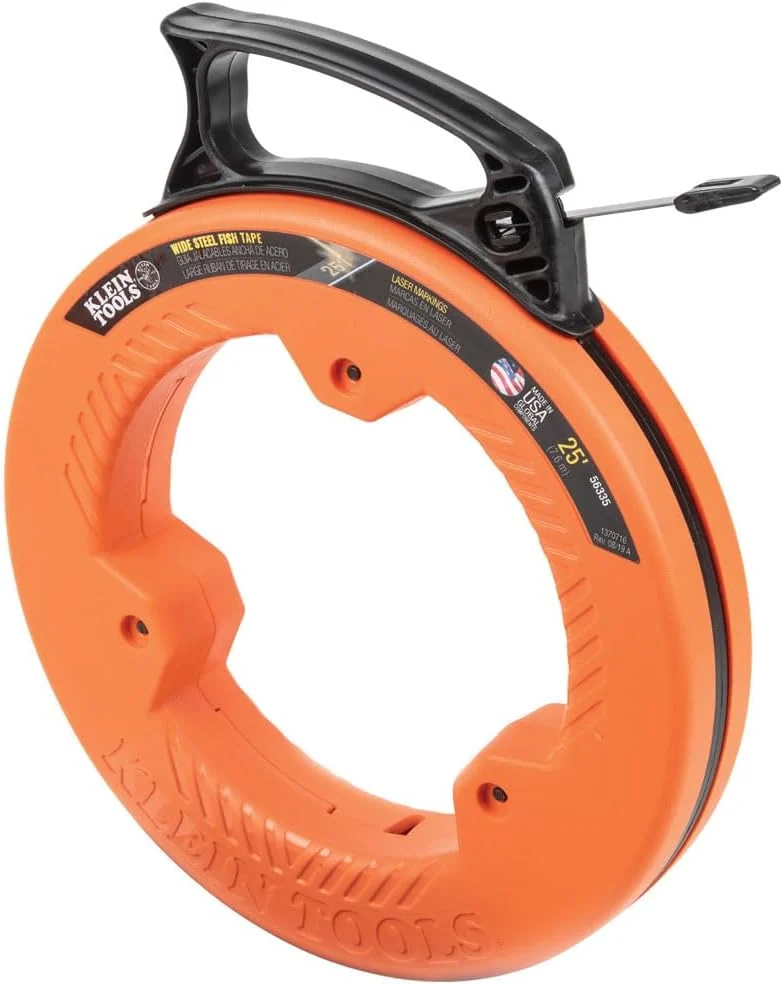
A steel fish-tape reel is what I'd choose first for this kind of work. The two reels below are current Amazon alternatives in that format, not the older Home Depot reel I actually used.
I rarely reached for these rods during the build. For routing wire through a van, I'd pick a steel fish-tape reel instead.
Watch My Boeray Wire-Pulling Rods Review
My narrated review covers why I rarely used these sectional rods and preferred my older metal fish-tape reel. The Klein shown is a researched alternative, not my older reel. See the roof cable-entry project for the wider build context.
Press Play To Start The Video.
Read The Video Transcript
Hi, I'm Steve Smith with Camper Van Freedom. These are my Boeray fiberglass wire-pulling rods. I didn't use them much during the van build. I preferred my older metal fish-tape reel from Home Depot because I could put more force behind it. Here is the difference that mattered in the van's nooks and crannies.
The matching product picture shows sectional rods and interchangeable end fittings. The sections screw together to build the guide. After the job, they come apart again for storage. I found that assembly and disassembly slower and more tedious than using my reel.
My roof-wiring photographs show a grouped connection and the larger cable-entry enclosure. I routed a camera cable through a gland into a tee, and brought roof wiring through the larger box into the van. Those photographs show the route around the roof boxes. The workshop footage illustrates measuring and holding work.
A sectional guide and a continuous tape organize the pulling tool differently. One adds individual sections; the other feeds a continuous guide from its reel. The diagram separates assembling the guide, following the route and drawing the lead. The shape of the route matters alongside the tool's storage format.
In my use, the rods were light and flexible. They worked better for small wires than for heavier wire or crowded routes needing a firmer pull. I rarely reached for them. My preference for the metal reel came from that experience, rather than a comparison based only on advertised length.
The roof pictures put that preference in context. There were individual device leads, connections and entries to work around. Getting a guide through a space is one stage; bringing the wire through it is another. I wanted a tool I could use without repeatedly joining and separating rod sections.
My page shows two researched alternatives. The FTIHTRY kit uses the same sectional-rod format. The Klein five-six-three-three-five uses steel tape stored in a reel housing. These are comparison options. The Klein picture is not the identity of my older Home Depot reel. My firsthand preference belongs to that older reel.
Thanks for watching. I'm Steve Smith with Camper Van Freedom. For my van routing work, I'd choose a steel fish-tape reel first. The full Boeray review, build pictures and current buying options are linked below. Until next time.
Watch This Review On YouTube · English Captions (VTT) · Download The Transcript
My Takeaway from This Job
The recorded route connects several boxes and entries. For the guide in my kit, the useful distinction is sectional rods with interchangeable ends versus a continuous steel tape stored in a reel.