The Item in My Kit
I bought LICHAMP Hydraulic Cable Lug Crimper as part of my camper van equipment.
Lug termination calls for a different tool format from the heat gun used on the roof's solder-seal splices. This hydraulic crimper is part of my purchased cable-terminal equipment.
Comparing Hydraulic Tools Around the Lug Kit
- I bought ring lugs and tubing as part of the electrical supplies.
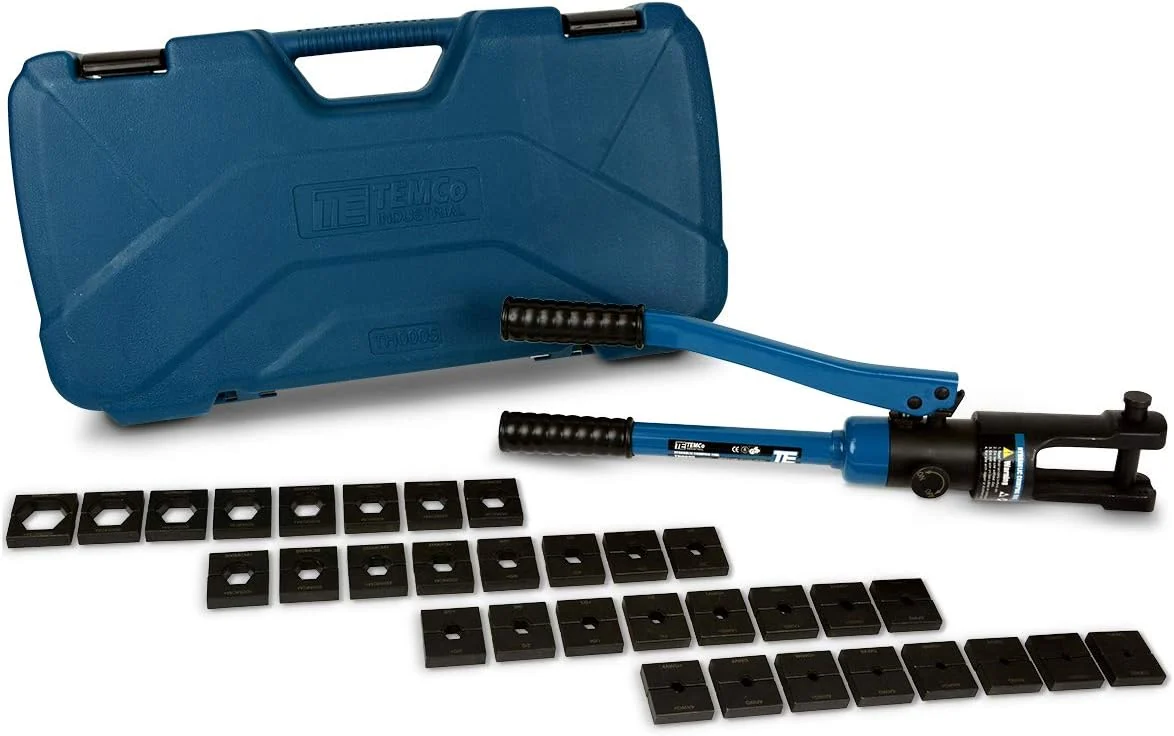
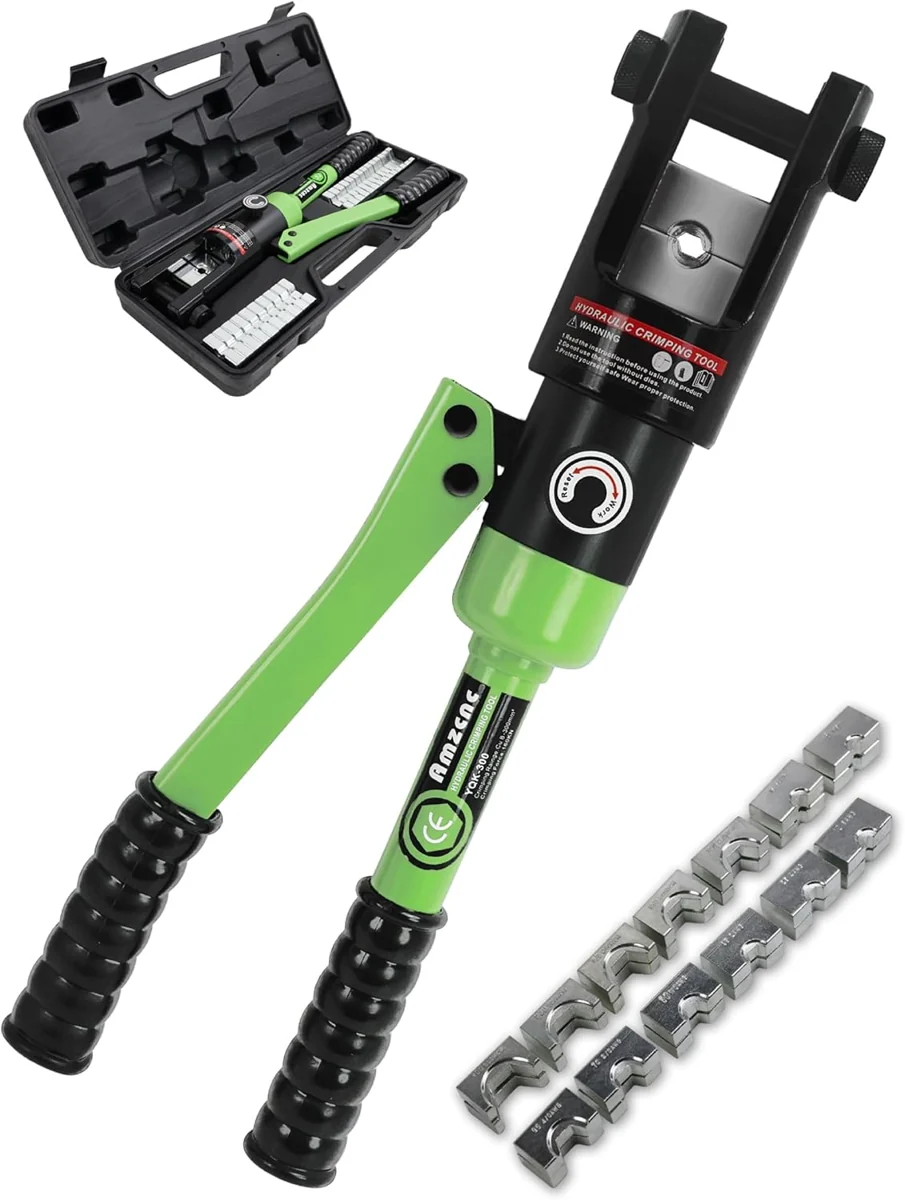
- My tool purchases also included a hand-pumped hydraulic crimper with interchangeable dies.
- The roof diary shows the wider connection and routing work, including a separate heat-gun stage for solder-seal splices.
Camper Van Project Applications
A cable-lug termination needs a matched conductor, lug and crimping die. Large battery wiring also changes how much working room is available around the tool. For a build with many terminations, access and the repeated effort of operating the crimper are useful comparisons alongside its headline size range.
For a wider view of the build kit, see my van conversion tool checklist and budget versus professional tool comparisons.
Manufacturer Specifications And Instructions
| Specification | Manufacturer Detail |
|---|---|
| Model | 1202BL / HTC-1202-BL |
| Mechanism | Hand-operated hydraulic lug crimper |
| Head | C-shaped |
| Dies | Eight interchangeable sets |
| Handle | Rubber-coated grips |
LICHAMP identifies this as a hand-operated hydraulic crimper with interchangeable dies. Hydraulic assistance still requires manual pumping; it is different from the powered crimper I wish I had bought. The die set and the lug being crimped are separate parts of the cable-termination setup. My review below records the considerable effort I experienced while working on the van’s larger electrical connections.
My Experience with This Tool
I used this hydraulic crimper constantly while building my extensive electrical system. There were many wire connections, including large battery cables and the large lugs that went with them. Looking back, this is one tool where I wish I had bought a powered or automatic crimper from the beginning.
I am 6 feet 2 inches tall, weigh about 210 pounds and am a bodybuilder, but this tool still wore my arms out. Crimping the large lugs took considerable effort. With my working setup, I ended up bracing one handle against the ground and putting my body weight into pressing the other downward. Even then, it was hard work.
At one point I thought I had torn my left biceps or triceps while using it. My arm hurt for months before it eventually healed. I do not know which muscle was affected, but I remember how much the work strained my arm.
For another van build, especially one with many large cable connections, I would invest in a powered crimper. Based on how demanding this tool was for me, that would be an even stronger priority if I were smaller or had less strength.
Watch My LICHAMP Hydraulic Cable Lug Crimper Review
My narrated review covers the repeated large-lug work in my electrical build, the manual effort it took and why I would choose a powered crimper for another build.
Press Play To Start The Video.
Read The Video Transcript
Hi, I'm Steve Smith with Camper Van Freedom. This is my LICHAMP hydraulic cable lug crimper. I used it constantly while building my electrical system, including the large battery cables and lugs. The work took considerable effort. For another van build with many large connections, I would buy a powered crimper from the beginning.
The matching product picture shows the hand-pumped hydraulic tool and interchangeable dies. The dies close around the barrel of a cable lug. The cable, lug and die are separate parts of that arrangement. Hydraulic assistance still requires manual pumping; this is not the powered tool I wish I had bought.
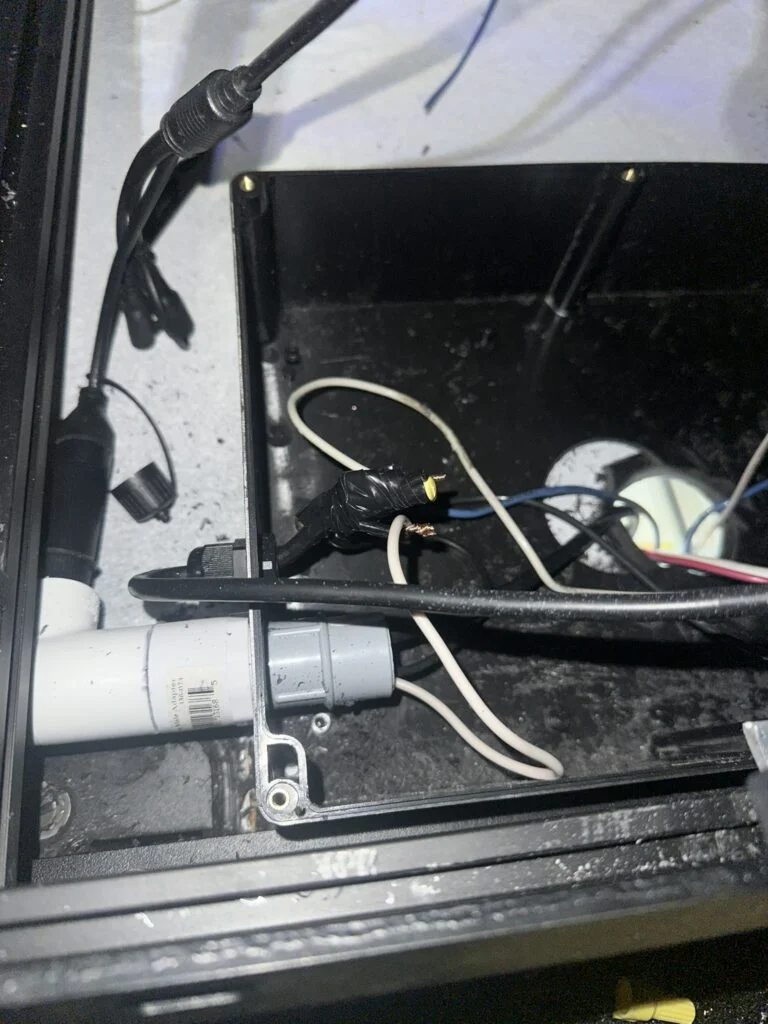
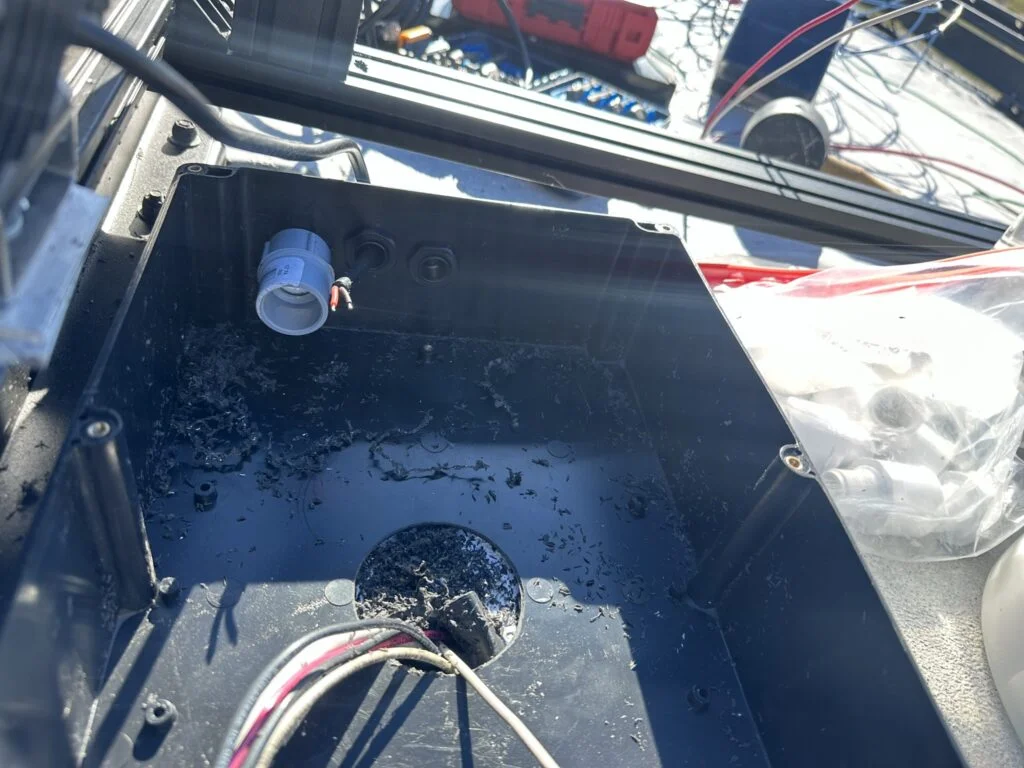
My roof-wiring photographs show grouped wires and the larger enclosure during the connection and routing work. They provide context for the wider electrical build. Those roof connections included a different heat-applied splice method. The workshop footage illustrates general measuring and holding work, rather than showing this exact lug-crimping operation.
The useful distinction is between the terminal and the tool acting on it. A lug has a barrel around the conductor and an attachment end. The crimper closes its selected dies around the barrel. Preparing and routing a cable are different stages from forming that terminal connection.
My owner review is about the repeated effort. I am six feet two inches tall, weigh about two hundred and ten pounds and am a bodybuilder. Even so, this tool wore my arms out. There were many wire connections in the electrical system, and crimping the large lugs was hard work.
At one point I thought I had torn my left biceps or triceps while using the tool. I do not know which muscle was affected. My arm hurt for months before it eventually healed. That experience is part of why I would invest in a powered or automatic crimper for another build with many large connections.
My page compares two other hand-pumped hydraulic kits. The TEMCo T H zero-zero-zero-five and the AMZCNC crimper each have their own die selection and head layout. Their matching pictures show those manual hydraulic formats. They are researched alternatives, not the powered upgrade I wish I had chosen.
Thanks for watching. I'm Steve Smith with Camper Van Freedom. I used the LICHAMP constantly, but the large-lug work wore my arms out. For another extensive electrical build, a powered crimper would be a priority for me. The full owner review, matching pictures and current buying options are linked below. Until next time.
Watch This Review On YouTube · English Captions (VTT) · Download The Transcript
My Takeaway from This Job
The hydraulic crimper belongs to the lug-termination tools, while the heat gun serves a different connection method. The three kits below share the hydraulic format; die selection, head layout and included accessories distinguish the choices.