A camper van conversion can be difficult to describe in one sentence. My Transit has changed through separate projects involving the exterior, roof, living space and equipment. A vehicle description can identify the original van while leaving much of that work unexplained. For an insurance conversation, I would bring those pieces together in a short evidence packet that shows the actual vehicle and the state of its conversion.
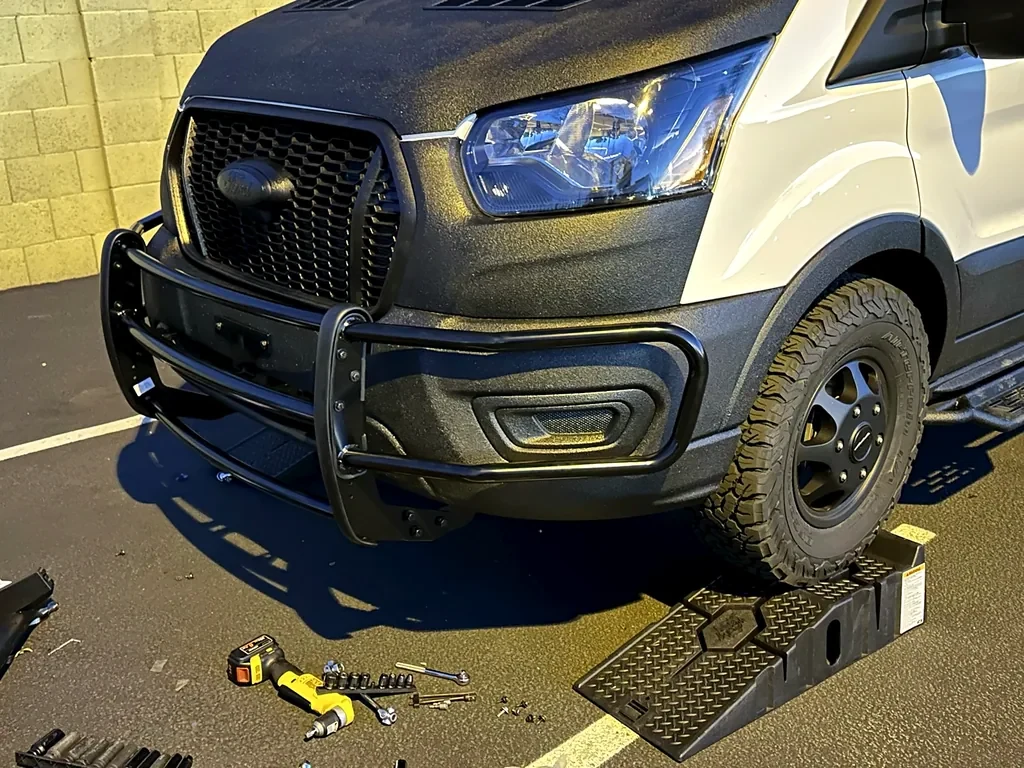
I would start with facts I can connect to records: the vehicle identity, work completed, equipment installed, belongings carried and the way the van will be used. Then I would keep the insurer's questions and written answers beside that same record. The useful result is a clear description that can be followed from an inventory line to a photograph or receipt, without asking someone to reconstruct the whole build from my diary.
Start With A One-Page Vehicle Summary
My summary would identify the year, make, model and body configuration, followed by a plain description of the current conversion. My own starting vehicle is a 2023 Ford Transit 250 high-roof extended van. I would keep its identifying documents in the private packet and use that same description consistently across the inventory, application and supporting files. A familiar project name is useful to me, but it should not replace the actual vehicle identity.
Below that, I would describe what the van presently contains and what remains planned. My build uses aluminum extrusion and black-and-gray carpet through much of the interior, with dedicated areas for sleeping, food preparation and computer work. Those facts help explain the arrangement. I would attach the relevant current photographs rather than expand the opening page into a long narrative about every purchase. The summary should make the rest of the packet easy to navigate.
Describe The Use You Actually Want To Insure
I would write the intended use in ordinary language before trying to fit it into a short form field. Weekend trips, longer travel and living in the vehicle describe different routines. I would include the expected use of the van between trips and any other activity the application asks about. The description should remain the same when I move from an initial conversation to the final application, unless the plan itself changes.
This is also where I would distinguish the finished goal from the present stage. A conversion still being developed has a current condition that can be photographed and a separate list of future work. I would keep both visible in my private record, then answer the insurer's question about the actual stage being discussed. My full-time living guide covers the wider daily routine; the insurance packet needs the concise factual description of that routine.
Ask How The Insurer Wants The Conversion Described
I would ask which application route and description the insurer uses for this particular vehicle and build. Progressive's published DIY campervan page, for example, describes documentation such as photographs and receipts and lists the vehicle information it requests. That gives me a concrete reason to organize those records. I would use the provider's own current questions rather than assume that every form uses the same categories or evidence list.
I would save the response with the date, the vehicle description supplied and the supporting files sent. If a follow-up asks about a permanent feature, I would answer with its actual status and the relevant photograph. This keeps the conversation tied to the same camper throughout. The next action should be specific: supply a particular view, identify an installed item or clarify how a feature is used, rather than repeatedly send an unsorted folder of build photographs.
Separate The Base Vehicle From The Conversion Inventory
I would create one section for the original vehicle and another for the work added during the conversion. The vehicle purchase record has a different job from a receipt for an interior component. Keeping them separate makes the evidence easier to follow and helps me avoid counting a bundled purchase several times. The opening summary can connect the sections without blending their supporting documents into one unexplained total.
The conversion section would group items by area or function: interior furniture, roof equipment, electrical equipment and exterior additions, for example. These groups are organizational headings, not assumptions about how an insurer classifies coverage. I would ask how the relevant items are treated in the proposed policy and keep that answer beside the inventory. That turns my build list into a useful description for the conversation while preserving the original purchase history behind each entry.
Give Each Inventory Line A Traceable Identity
Each significant item or assembly would receive a short record identifier. I would use that identifier in the photo index, receipt index and notes about its present status. A row might describe an assembly such as a storage unit, with its component receipts attached underneath. That structure is easier to review than several unrelated file names that all refer to the same part of the interior.
I would include enough detail to distinguish the item from a similar purchase without filling the main sheet with every small fastener. For equipment, that may include the recorded manufacturer and model. For a custom assembly, it may include the materials and the area it occupies. The source stays attached either way. My next check is simple: can I select a row and find the corresponding evidence without relying on my memory of where a photograph was taken?
Keep Purchased, Installed And Removed States Separate
A purchase receipt describes a transaction. It does not by itself establish where the item is now or whether it became part of the van. I would give every inventory line a status such as installed, carried, stored elsewhere, removed or planned. Then I would photograph the current arrangement and reconcile the list against it. This prevents a large purchase history from standing in for the camper's actual contents.
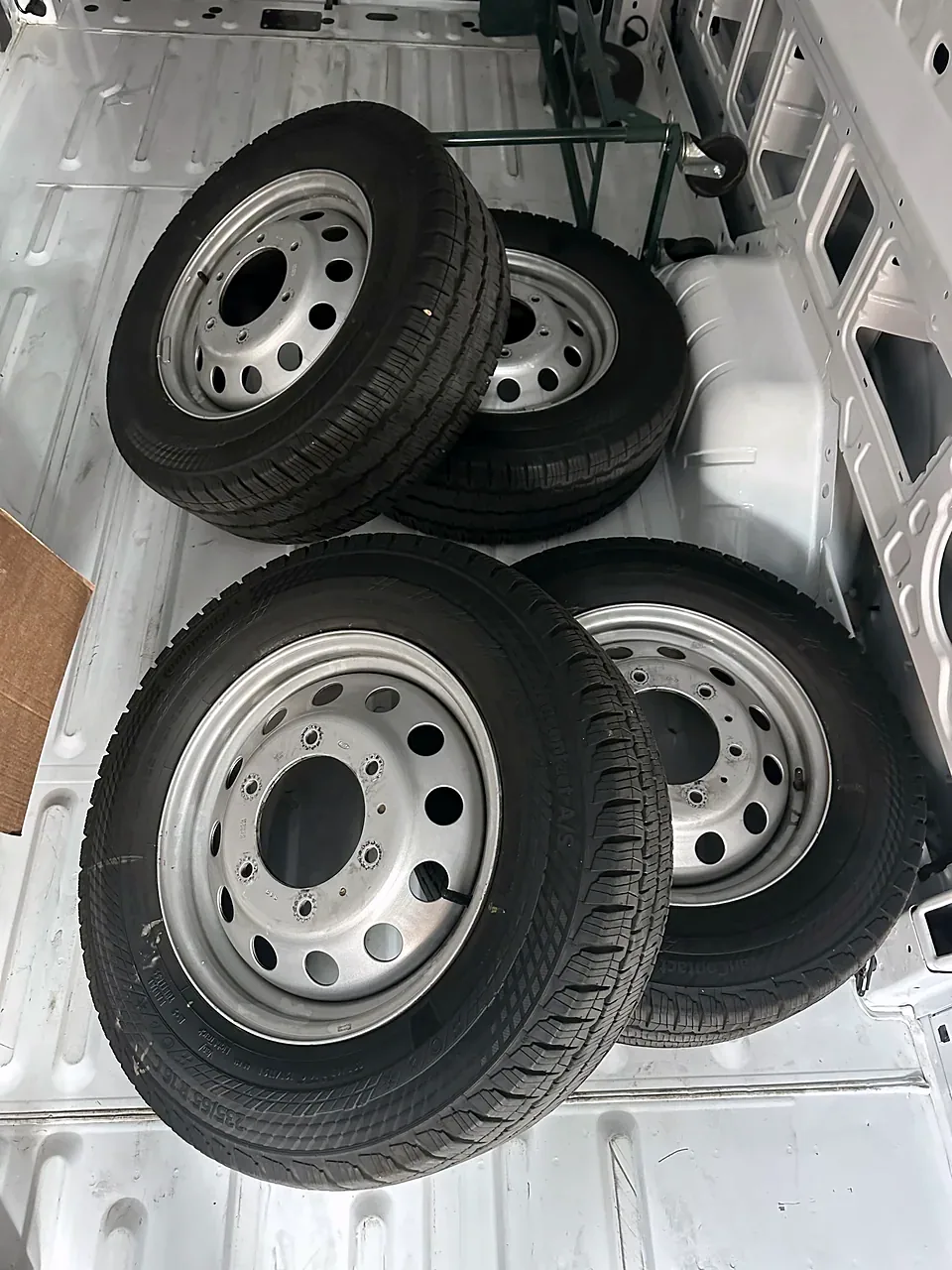
My wheel project provides a useful example. The original wheel-and-tire assemblies were photographed inside the van after removal. That image records a real stage of the work, but it should not silently become a description of the normal travel load or the installed replacement setup. I would connect the before, removed and installed records while keeping their different roles visible. The same method helps when equipment has been replaced, returned or bought for a later project.
Build A Photo Index Before Sending Pictures
I would give each selected photograph a short identifier, an area label and a brief description of what it shows. Then I would connect it to the inventory rows it supports. A wide exterior view can establish the overall vehicle appearance, while a closer view can explain an addition. An interior overview and an equipment detail serve different purposes. The index should make those relationships clear without asking the recipient to open every file first.
I would choose photographs that match the current description and retain earlier project images separately. An older photograph can explain the history of a change, but I would label its role rather than mix it into the current-condition set without explanation. For a continuing build, I would also keep the private capture date with the file. That makes it possible to update the packet deliberately when another project changes the van's appearance or contents.
Show The Whole Vehicle And The Relevant Details
My first exterior set would show the van from useful overall positions, followed by the additions that need more explanation. I would keep the frame wide enough to show where each detail belongs. A close photograph of a bracket can be valuable build evidence, but it does not identify the entire assembly or its position on the vehicle. A sequence from overall view to detail makes the packet easier to read.
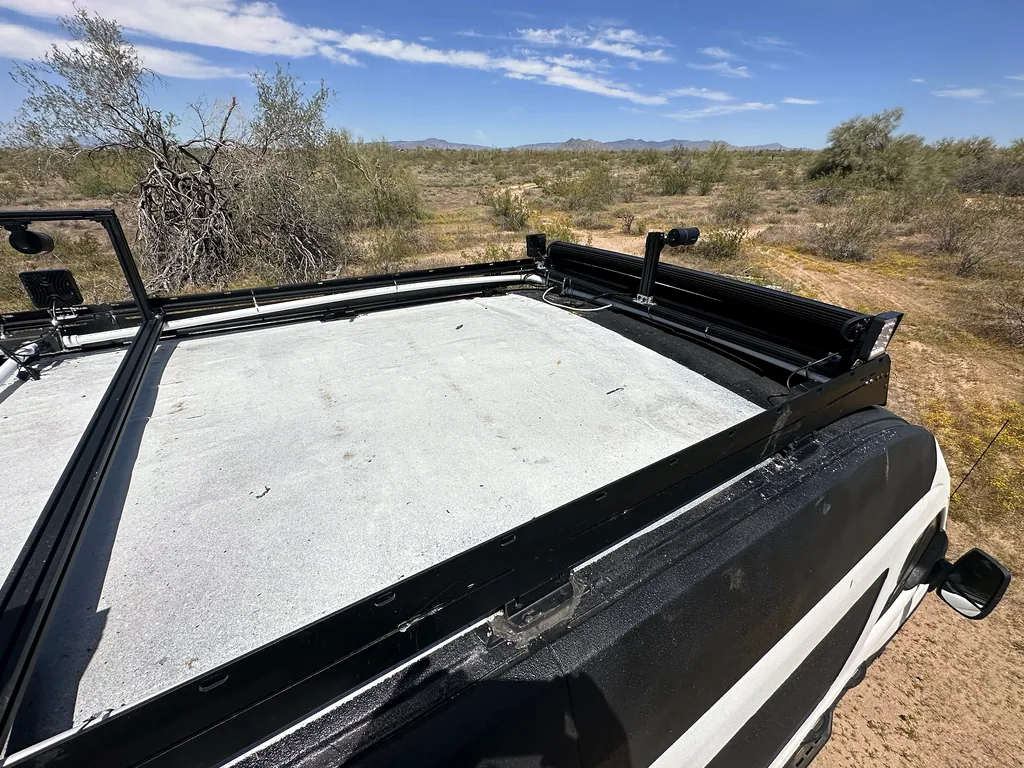
For roof equipment, I would include a view that shows its arrangement rather than rely only on a picture of a box before installation. The same principle applies inside: show the area first, then the equipment or custom assembly. I would use original photographs and separate optimized copies for sharing. The originals preserve the source record; the selected copies make the evidence manageable without changing the photographed build details or presenting a planned installation as a finished one.
Record Custom Furniture As An Assembly
A custom cabinet or frame may have many component receipts without one invoice naming the finished object. I would describe the assembly in the inventory, identify where it is installed and attach the relevant material records. Photographs can show the finished arrangement and the construction stage where that helps explain it. The purpose is to connect the material history with something that can actually be identified in the van.
I would keep the original material descriptions rather than rewrite every purchase as a completed cabinet. That matters in a build like mine, where the interior developed through separate projects. A component bought for one idea may later have been used differently or left unused. The assembly record should explain the actual outcome. This gives the insurance conversation a coherent object to discuss while preserving the more detailed evidence behind it for any specific follow-up question.
Keep Historical Cost And Current Value Questions Apart
I would retain what I actually paid as a historical record, connected to the original receipt. Then I would keep any current replacement-price research or valuation request in a separate field. Those figures answer different questions. Combining them into one column can make the packet appear precise while obscuring whether a number came from a past transaction, a current offer or a proposed valuation method.
I would ask how the insurer wants the vehicle and conversion value presented and which evidence supports that method. I would retain the answer rather than assume that adding every receipt produces the requested figure. My conversion budget guide provides the broader project-cost record. Here, the useful step is to preserve the source of each number and make the valuation question explicit, without inventing an insurance value from the build diary or the shopping list.
Avoid Counting A Replacement And Its Predecessor Together
I would review the inventory for parts that have been replaced and link the records instead of leaving both marked installed. The original purchase can remain in the history while the current configuration identifies the replacement. A short status note is more useful than deleting the old evidence, because it explains why photographs or receipts may show equipment that is no longer part of the described setup.
I would also distinguish a spare carried on a trip from a removed part stored elsewhere. Those are different facts even when the objects have similar names. The packet should show where the item belongs in the configuration being discussed. This is one reason I would update the inventory from the actual van rather than export every purchase record and treat the result as a finished list. The relationship between records matters as much as the individual descriptions.
Make A Separate List Of Carried Belongings
I would list the belongings carried in the camper separately from the installed conversion. Clothing, a portable computer and loose camping equipment may need different descriptions from a built-in cabinet or permanently fitted equipment. I would use the insurer's questions to determine what detail is required, while retaining my own full packing inventory privately. The goal is to avoid having familiar loose items vanish between the vehicle summary and the equipment schedule.
The Maryland Insurance Administration's RV guide discusses contents or personal-effects coverage as a distinct topic. I would use that distinction to ask a clear question about the belongings in my own proposed policy. I would not assume that a line describing the vehicle settles every carried item. Instead, I would keep the relevant answer, any requested list and the corresponding policy document together so that the inventory and the insurance paperwork can be compared directly.
Keep The Policy Questions In One Short Register
I would maintain a question register alongside the packet. Each line would contain the question, the relevant vehicle or inventory detail, the answer received and the document that records it. Questions about installed additions, carried belongings, vehicle use and the current build stage would remain separate. That helps me follow up on the actual missing answer rather than reopen a broad discussion that has already covered several other points.
For example, I would ask how a named group of installed additions is recorded, then identify the photograph and inventory rows supplied. For carried computer equipment, I would ask the corresponding belongings question. I would also ask what changes need to be reported as the build develops. The register should end with a concrete next action for each unresolved line, such as providing an additional view or locating a requested original document.
Compare Quotes Against The Same Vehicle Record
If I request more than one quote, I would use the same current vehicle summary, use description and inventory. Otherwise, a difference between quotes may partly reflect different information supplied. I would save the version of the packet sent with each request and record any additional questions. That gives me a clear basis for comparing the resulting documents rather than judging two totals without knowing whether they describe the same camper.
My comparison sheet would use separate fields for the quoted vehicle description, listed additions, belongings treatment, limits, deductibles and the other terms I want to understand. I would copy those details from the actual quote or policy documents, preserving the provider's wording where it matters. A shorter answer in a message can remain part of the conversation record, but I would keep the full documents beside it so the final comparison does not depend on a paraphrase alone.
Read Amendments With The Main Policy
I would keep endorsements and other policy changes with the main document, not in a separate folder that I rarely open. The NAIC explains that an endorsement changes an existing policy's terms and can add, remove or modify coverage. That makes it a document I would include in the final packet check, rather than treat as an unimportant attachment after the main paperwork arrives.
I would connect each relevant amendment to the question it answers and note its effective date privately. If a conversion addition prompted the change, I would attach the corresponding inventory revision as well. This keeps the record readable later: what changed in the van, what information was supplied, and which document records the policy change? I would preserve earlier versions as history while making the current set obvious, so an old document is not mistaken for the latest answer.
Use A Revision Log As The Build Continues
I would give the packet a version identifier and keep a short change log. Each revision would name the completed project, inventory rows changed and photographs added or retired from the current-condition set. The public diary can preserve the story of the work. The insurance packet needs a concise record of the resulting configuration and the correspondence connected to it, rather than every stage of the narrative.
The change log would also distinguish work completed from work proposed. A new idea can enter the planning notes without appearing as an installed item. When the work is actually finished, I would update the relevant status and current photographs, then use the insurer's stated process for reporting the change. This gives an ongoing conversion a manageable record without requiring a complete rebuild of the packet every time one part of the van changes.
Keep The Current Packet Easy To Retrieve
I would keep the current summary, inventory, photo index and policy documents together with a clear file order. The longer source archive can remain behind them. A practical folder might begin with the summary and current inventory, followed by photographs, purchase evidence, correspondence and the policy set. The exact folder names matter less than being able to find the current version quickly and distinguish it from the historical material.
I would also keep a separate copy available through the storage arrangement I already use, then check that the files open and the index points to the right evidence. This is a retrieval test, not just a backup-success message. A folder full of receipts is less useful if its filenames cannot be connected to the inventory. I would select a few representative rows and follow each route through the documents before treating the packet as ready to send.
Keep Private Details Out Of Public Build Content
The website can explain my build without becoming the storage location for the insurance packet. I would keep identity documents, policy numbers, application answers and financial records in the private project files. Public photographs and diary entries can provide useful context, while the insurer receives the specific evidence requested through its normal process. That keeps the public article focused on the method rather than exposing the private documents behind an individual application.
For any shared photograph copy, I would check the actual frame and unnecessary metadata before sending or publishing it. I would retain untouched originals separately and avoid changing the build details shown. The important distinction is between a useful current-condition image and unrelated information that happens to be visible in a document or package beside the work. A clear photo index helps me make that selection deliberately instead of forwarding the whole archive.
Reconcile The Packet Against The Actual Van
My final check would begin at the van, with the current inventory in hand. I would work through the installed areas and carried equipment, then confirm that the status and photographs agree. I would flag the rows that need an updated image or a clearer description and fix those specific records. This is more useful than rereading a large spreadsheet while relying entirely on memory of the completed projects.
Next I would review the material supplied to the insurer against the answers and documents returned. Does the vehicle description match? Are the questions about use, additions and belongings answered in the saved record? Which requested evidence still needs to be supplied? The packet should finish with a short action list rather than a vague sense that the paperwork probably describes the camper. Once reconciled, I would save that version and retain the history of what changed.
Make The Next Conversation Specific
A useful insurance conversation can start with a brief description and an organized packet. I would explain the exact van, current build stage and intended use, then offer the indexed photographs and inventory. If a particular feature needs clarification, I can provide the relevant record rather than retell the entire project. That makes the work I have already documented in my build diary useful in another practical setting.
For a camper bought from someone else, I would request the available build evidence before trying to assemble the packet afterward. My used-conversion viewing guide covers the broader handover. The insurance evidence task adds a clear purpose to those records: describe the actual vehicle, preserve the source for each important detail and keep the policy questions connected to the same configuration. That is the process I would complete before filing the paperwork away.
Frequently Asked Questions
Can A DIY Camper Van Be Insured?
Progressive currently publishes a specific DIY campervan insurance route and describes its own permanent-feature requirements. I would check the actual proposed vehicle and conversion against the provider's current application questions, then save the response and documents. The useful next step is an accurate description and evidence packet, rather than assuming the model name alone determines the application outcome.
Are Receipts Enough To Describe The Conversion?
I would combine receipts with an inventory and current photographs. A receipt identifies a purchase; the inventory explains its role and status; the photograph shows the relevant condition or location. Linking those records makes the packet easier to follow and prevents unused or removed purchases from being presented as installed equipment.
Should I Include The Build Diary?
I would use selected diary photographs and project records as supporting evidence, while leading with the concise summary and current inventory. The diary preserves the story and earlier stages. An indexed packet makes the present configuration easier to understand without requiring the recipient to read every project entry in order.
Sources For The Insurance Questions
The current provider example is Progressive's DIY Campervan Insurance page. The Maryland Insurance Administration's RV Insurance FAQs provides the contents and personal-effects context. The NAIC's Insurance Endorsement Explanation explains policy amendments. I would keep the actual application, quote and policy documents with my private packet as the record of the particular insurance conversation.