The Build Behind This Item
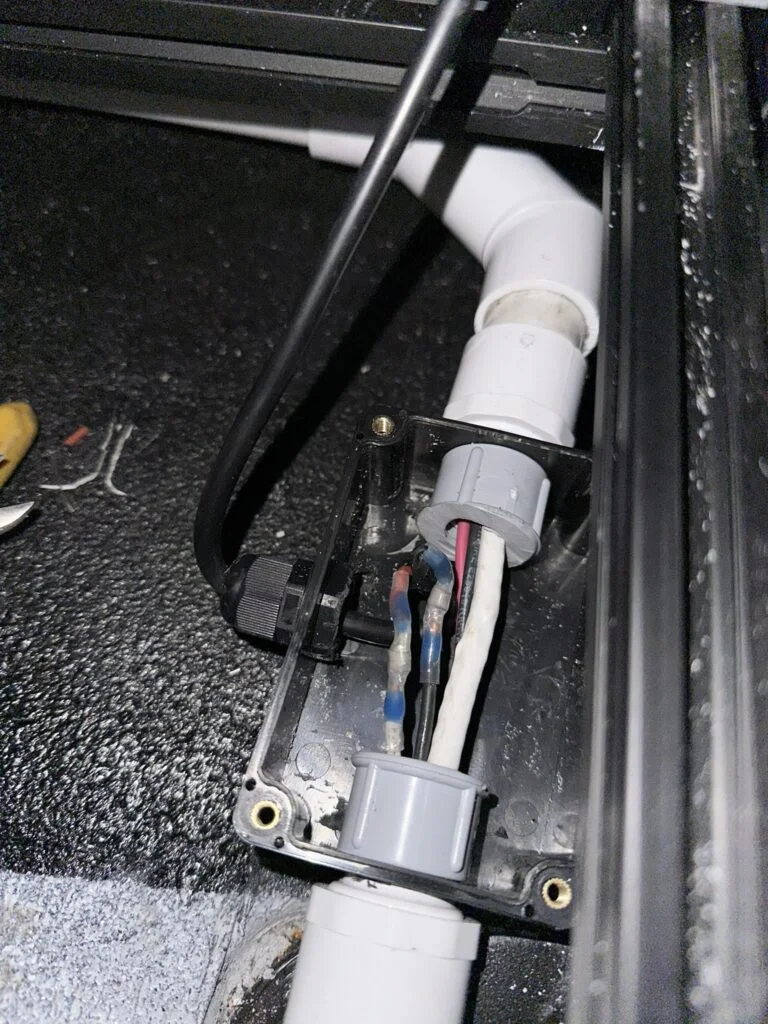
The passenger-front box and the pipe toward the large enclosure were fitted before the wire-end work. I labeled the lead running into the van, stripped the ends and made the connections with solder-seal sleeves and the heat gun.
Routing through the box and pipe continued around those tasks. The close view shows the passenger-side box and its fittings, placing the wire preparation within the larger route into the van.
Preparing the Wire Ends at the Passenger-Front Box
- I fitted the passenger-front box and pipe toward the large enclosure.
- I labeled the wire, stripped its ends and made solder-seal connections with the heat gun.
- I ran the wires through the box and pipe toward the van entry.
Camper Van Project Applications
Small accessory wiring often calls for repeated cuts and strips rather than one large cable termination. Matching the stripping opening to the wire avoids treating every wire in the van as the same size. Worn cutting or stripping edges are also part of the ongoing cost of a frequently used hand tool.
For a wider view of the build kit, see my van conversion tool checklist and budget versus professional tool comparisons.
Product Details And Van-Build Uses
| Specification | Source Detail |
|---|---|
| Retailer Model Identifier | B06X9875Z7 |
| Listed Stripping Range | 10–22 AWG |
| Functions | Manual wire stripping and cutting |
Lowe’s identifies this DOWELL stripper by the exact purchased ASIN and lists a 10–22 AWG stripping range. It combines stripping openings and a cutter in one plier-style hand tool. Small lighting and accessory leads are examples of van wiring where repeated cutting and stripping are useful. Steven used his tool for smaller wires and found it good value, while noting that the cutting and stripping edges became worn and dull over time.
My Experience with This Tool
I used this wire stripper for smaller wires and found it good value. With use, the cutting and stripping edges wore down and became dull.
Watch My DOWELL Wire Stripper Review
My narrated review covers smaller-wire use, good value and the cutting and stripping edges that wore down over time. It also explains the separate role of my DEWALT heat gun.
Press Play To Start The Video.
Read The Video Transcript
Hi, I'm Steve Smith with Camper Van Freedom. This is my DOWELL wire stripper. I used it for smaller wires and found it good value. Over time, its cutting and stripping edges wore down and became dull. Here is how this manual hand tool fitted into my wire preparation, and how that job differs from making the connection afterward.
The matching product picture shows the wire-size openings, cutting section and plier-style handles. The openings are the part used to select a stripping size. The cutter has a different job: cutting through the wire. Those two functions share a hand tool, but they act on different parts of the preparation sequence.
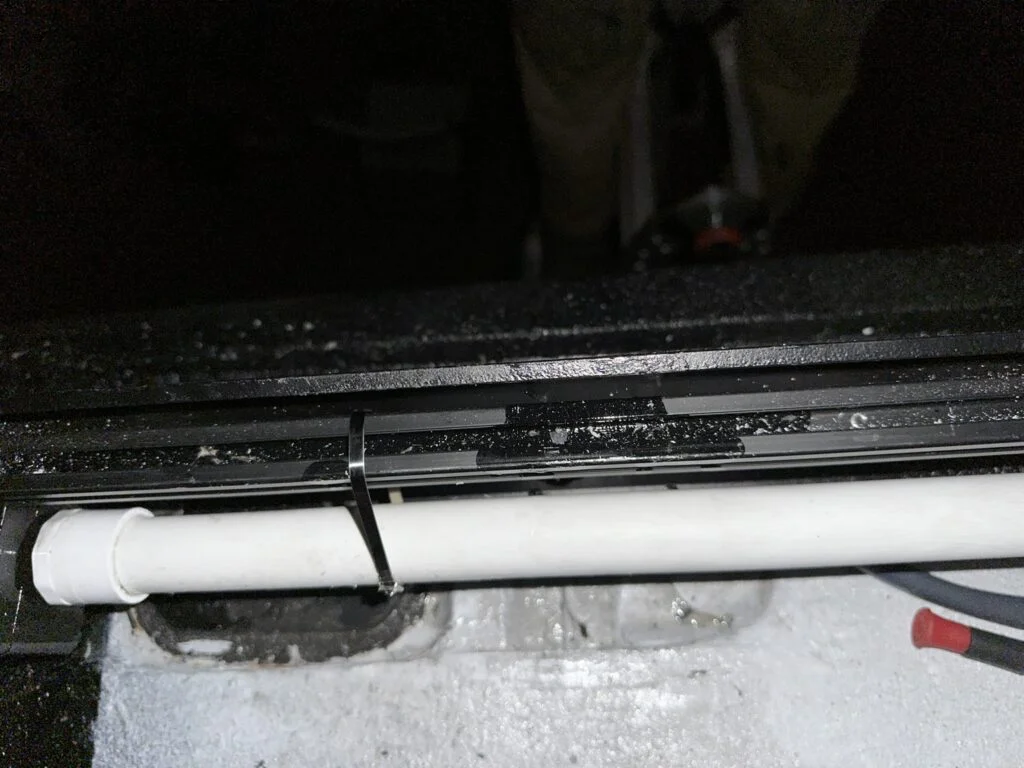
My roof-wiring photographs show the passenger-side junction box and the conduit route toward the larger entry enclosure. I labeled the lead running into the van before stripping its ends and making the connections. The illustrative workshop footage shows measuring and holding work. My actual photographs place the wiring stages around the boxes and pipe on the roof.
Stripping removes insulation from the end while leaving the conductor available for a connection. Cutting sets the length of the wire itself. The diagram separates the outer covering, the conductor and the prepared end. This is the useful distinction when comparing a wire stripper with a dedicated cable cutter in the tool kit.
My experience was good value for smaller-wire work, followed by wear on the working edges. Both the cutting and stripping edges became dull with use. That is part of the ownership story, alongside the initial usefulness of the tool. The condition of those edges became something to consider as the tool continued through the build.
The matching DEWALT heat-gun picture shows another tool from my electrical kit. My D C E five-thirty B handled heat-applied connection work and tubing around wire joints. It came after the preparation stage. The stripper exposed the wire ends; the heat gun supplied heat for the later sleeves and covering. They had separate roles around the same wiring work.
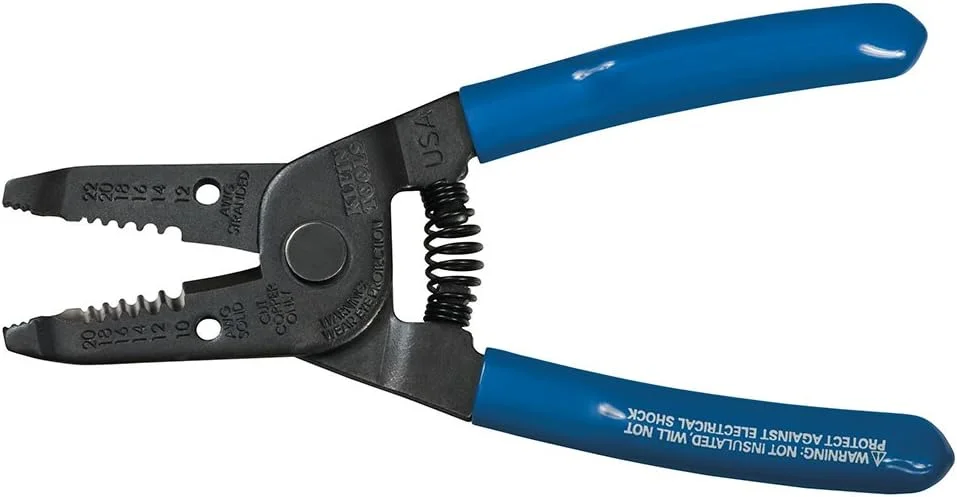
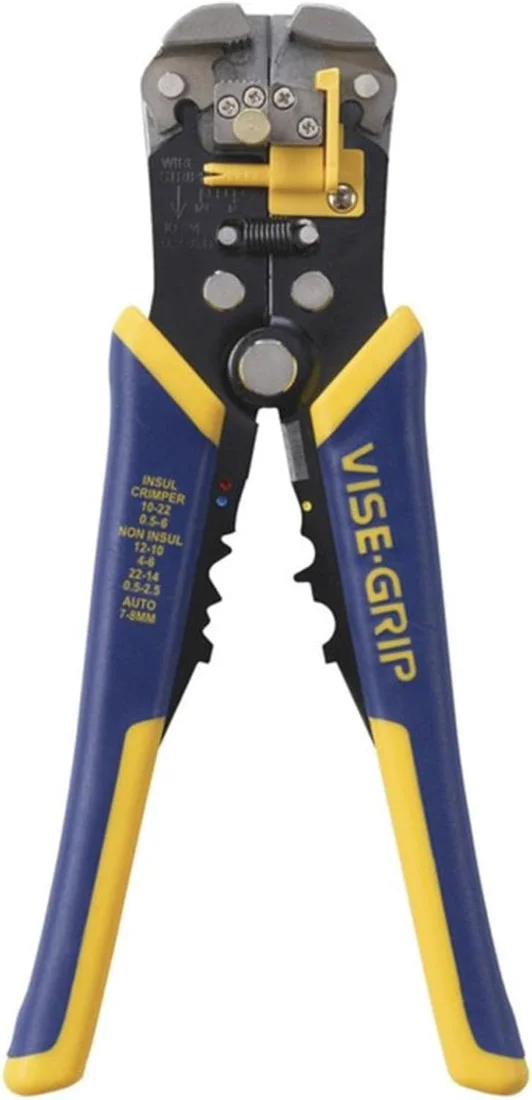
My page compares two researched alternatives. The Klein ten-eleven has manual wire-size notches. The IRWIN two zero seven eight three zero zero uses self-adjusting jaws. Their matching pictures show the different jaw arrangements. My firsthand review here belongs to the DOWELL I used, including the wear I experienced on its edges.
Thanks for watching. I'm Steve Smith with Camper Van Freedom. The full DOWELL review, my roof-wiring photographs, related heat-gun account and current buying options are linked below. Until next time.
Watch This Review On YouTube · English Captions (VTT) · Download The Transcript
My Takeaway for Choosing the Kit
I would compare how the tool selects the stripping size. DOWELL and Klein 1011 use manual wire-size notches; IRWIN uses self-adjusting jaws. That operating difference is more useful for this comparison than treating stripping, joining and heat-shrink covering as one tool task.