The Build Behind This Item
My roof wiring combined light leads, camera leads, small boxes and a larger entry enclosure. Joining the wires was one stage; covering exposed sections and closing the route came afterward.
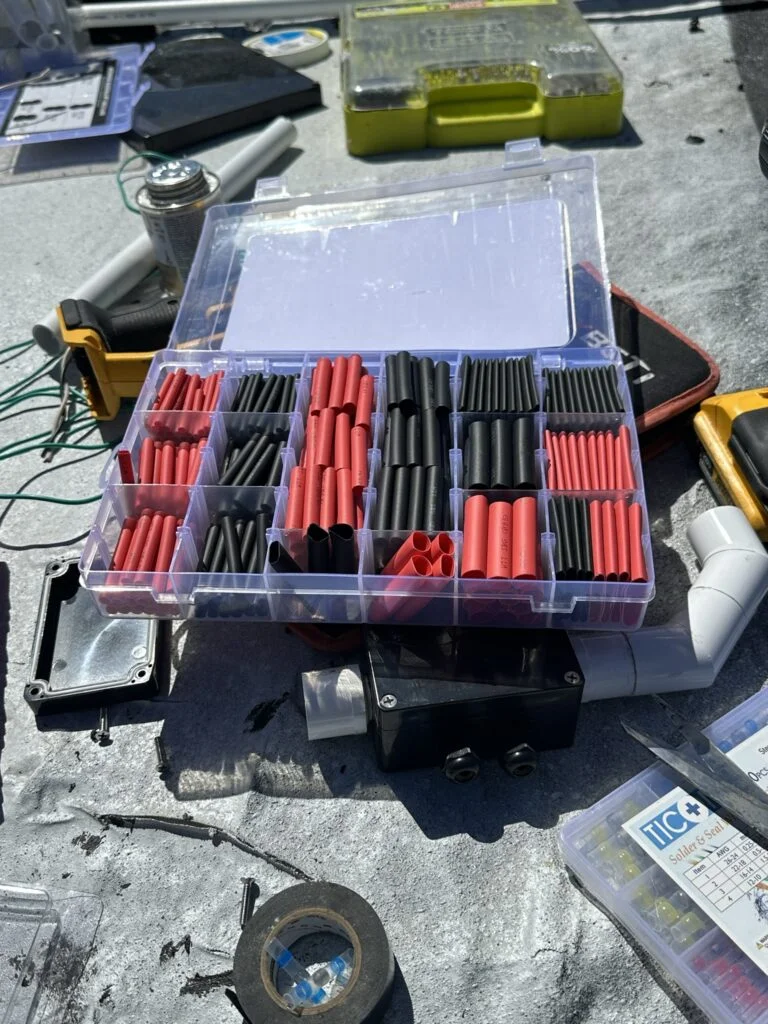
The heat gun belonged with the solder-seal connectors and tubing during that work. Looking at those supplies together is more useful than shopping for the tool without considering what would be heated and where the work would happen.
Finishing the Roof-Wire Connections
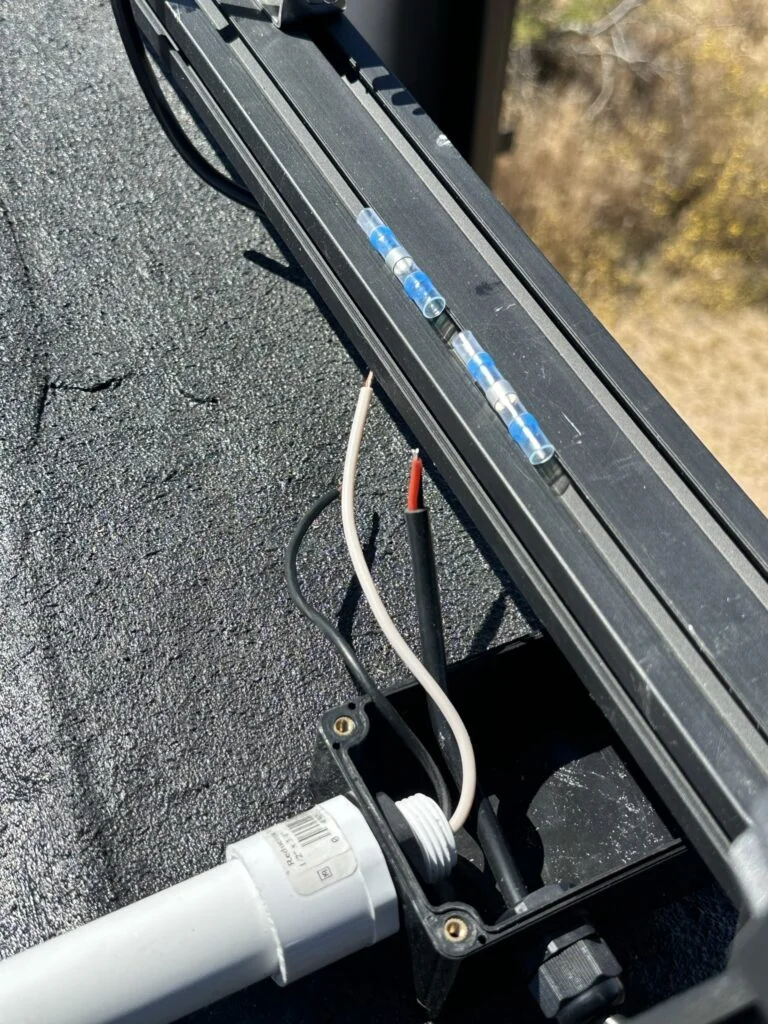
- I joined the roof light wires with solder-seal connectors.
- I used the heat gun for the heat-applied connection work.
- I covered exposed wire sections with tubing before closing the roof boxes.
Camper Van Project Applications
Heat-shrink tubing and heat-shrink butt connectors appear throughout a camper-van wiring build. A cordless heat gun can move between roof-light leads, accessory circuits and bench-prepared harnesses without routing an extension cord. Plan battery changes and the order of the connections as part of the work, especially when many joints are being finished outdoors.
For a wider view of the build kit, see my van conversion tool checklist and budget versus professional tool comparisons.
Manufacturer Specifications And Instructions
| Specification | Manufacturer Detail |
|---|---|
| Heat Selection | Two settings |
| Published Maximum Output Temperature | Up to 990°F / 532°C |
| Included Attachments | Flat nozzle and hook nozzle |
| Package | Tool only; battery and charger separate |
DEWALT lists heat-shrink tubing among the tool's applications and provides lock-on and lock-off controls. The stated maximum temperature is an output specification, not a measured joint temperature or a promised warm-up time outdoors.
My Experience with This Tool
I did a lot of heat shrinking while building the van's electrical system. I used my DEWALT cordless heat gun on heat-shrink butt splices and on tubing covering wire connections. It has two settings, and I always used the high one. Because I was often working outside, I noticed that it could take time to warm up enough for the job, especially when the air was cold.
I did not use the included metal attachments because I usually needed to bring the gun close to the joint. Once hot, contact with nearby material could burn it. This lightweight tool used batteries faster than my other DEWALT cordless tools in my experience, but it survived the same rough treatment and still works well. I am happy with it. I would like to try a corded heat gun someday to see whether it warms up faster; I have not made that comparison yet.
I built much of the van on the road, carrying tools and materials in a trailer and working outside. Durability is the main reason I consider my DEWALT tools worth the money: they kept working through dirt, travel and rough handling.
My Takeaway for Choosing the Kit
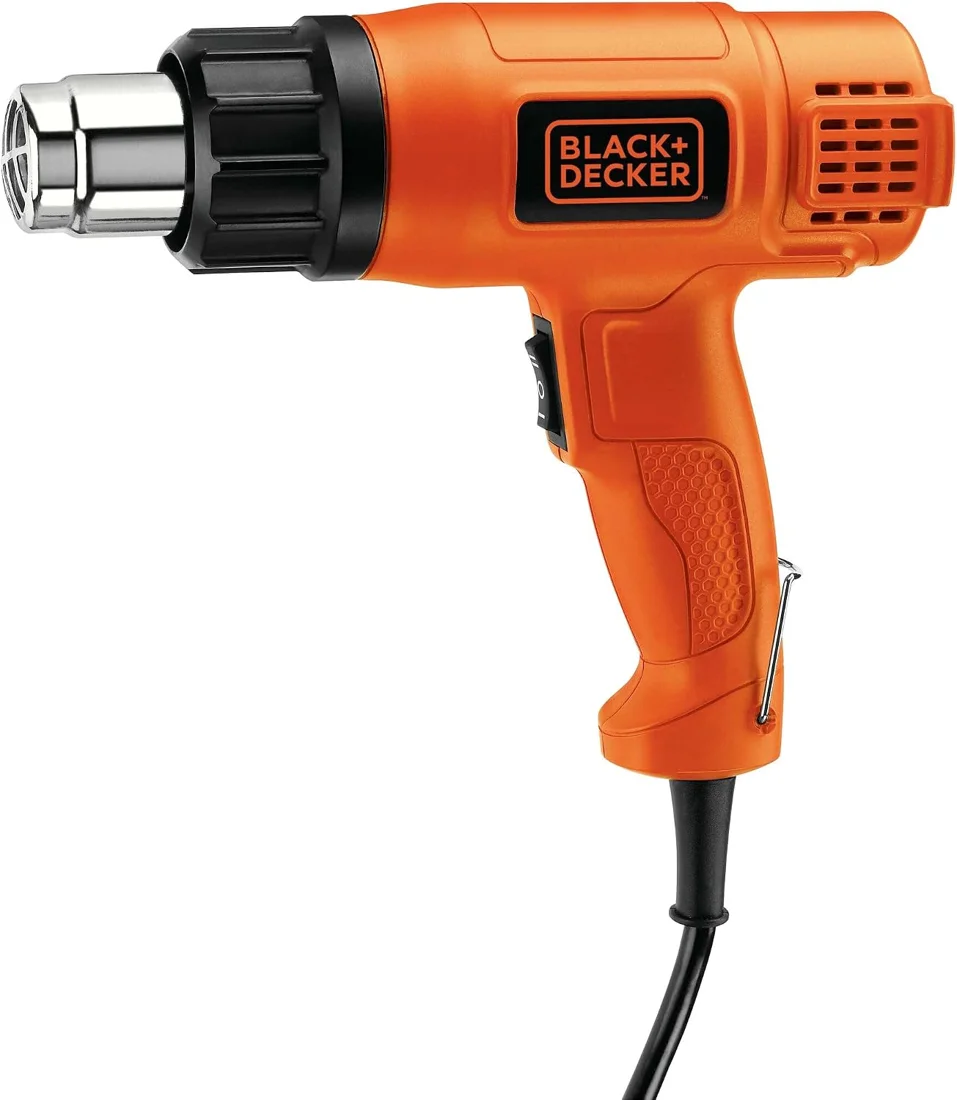
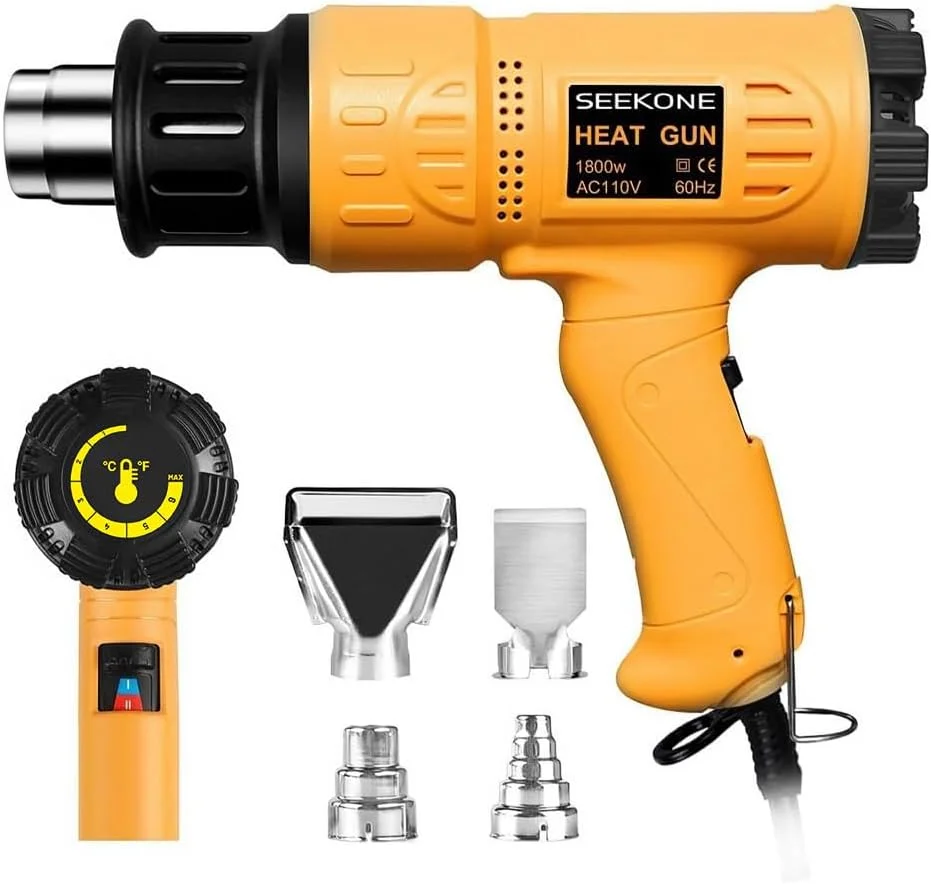
The cordless tool suited a kit that moved around the van. The BLACK+DECKER alternative uses two heat settings, while the SEEKONE provides adjustable temperature and airflow controls. I would compare the available power supply and controls before comparing the nozzle assortment.