When comparing camper van conversion companies, I would begin with a written brief for the work I want completed. A gallery can show a builder's visual style, but it does not describe the exact arrangement, included equipment or remaining decisions in a proposal for my van. A useful comparison starts when each company is answering the same practical request.
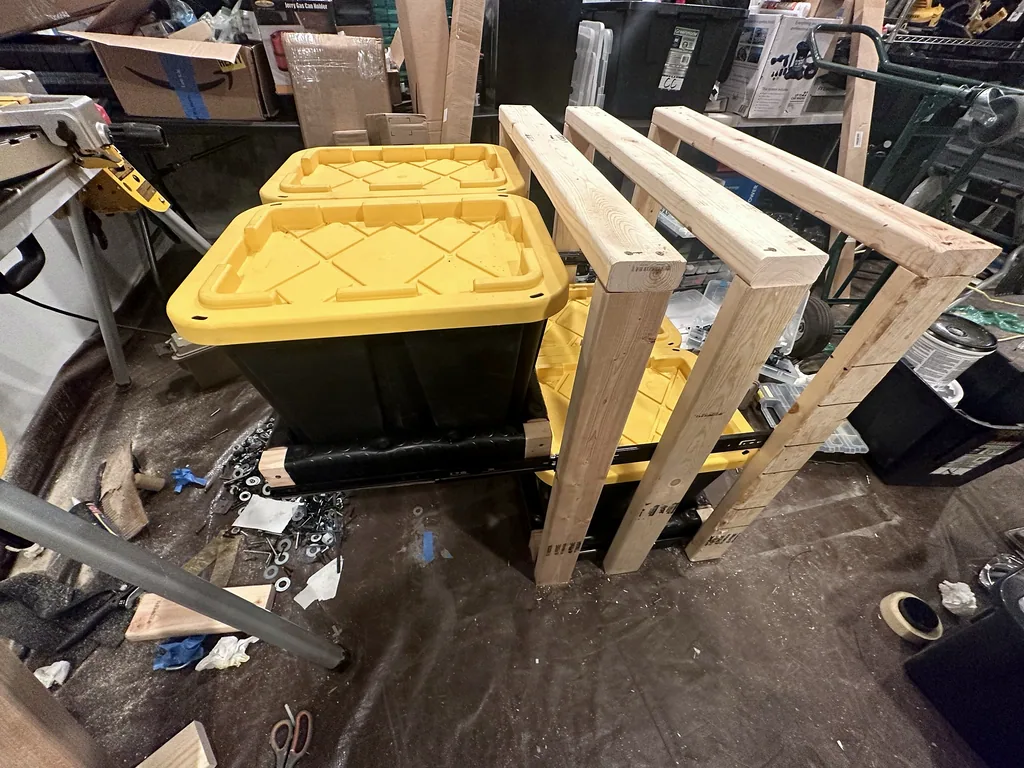
My 2023 Ford Transit 250 high-roof extended project is a DIY build with purchased components and separate recorded jobs. That experience gives me a concrete way to describe what a conversion involves: dimensions, furniture, equipment, access, finish and the points where one project meets another. I would use those categories to prepare a request for outside work.
The DIY-or-buy guide helps decide which work you want to make, buy or commission. This page addresses the next stage: writing a brief, understanding responses and comparing conversion proposals. Its output is a builder-selection record with a clear scope and a list of decisions that still need an answer.
Download The Blank Compare Conversion Proposals Worksheet
Define The Result Before Shortlisting Builders
Write the conversion's purpose in a few sentences. Identify the people using the van, the trips planned and the equipment carried. Then list the functions that must be supported: sleeping, food preparation, storage, work and any other selected activities. A builder can respond more precisely to these requirements than to a collection of attractive interior photographs alone.
Keep required functions separate from preferred appearance. A certain countertop finish may be negotiable, while an accessible sleeping arrangement or a place for work equipment may be essential. If every preference is marked essential, the brief becomes difficult to evaluate. If none is prioritized, you may receive a beautiful proposal that compromises the reason you wanted the van.
Define the work boundary. Are you supplying a vehicle for a complete interior, requesting one furniture module or asking for a particular stage of an existing build? Identify what is already installed and what you expect to retain. The builder should not have to infer from photographs whether an existing component is part of the selected arrangement.
Describe the endpoint in a way you can recognize. “Interior complete” could mean different things to different people. List the furniture, equipment, finish and records you expect at handover. Keep unresolved choices labeled as decisions rather than hiding them in a broad phrase that later turns out to include different work in each proposal.
Create A Vehicle And Existing-Work Record
Record the exact vehicle year, model, roof, body and relevant configuration. Attach the documents and measurements already available. If the van has existing work, identify its current state and the records you hold. A proposal for an empty vehicle and a proposal for continuing an individual build have different starting conditions.
Photograph the areas that affect the requested work. Include wide views that show location and close views that identify components or openings. Keep dimensions linked to their reference surfaces. A measurement taken from bare bodywork is different from one taken between finished panels, so name the condition rather than supplying a number without context.
List items you intend to supply yourself. Give their exact identity and status: owned, ordered or only under consideration. Keep these distinct from items the builder is being asked to source. An undecided component can affect an opening or installation sequence, so identify which parts of the proposal depend on that decision becoming final.
Use the usable-space guide to organize the measurements and the decision log for changes already made. Share the current revision and preserve the earlier records privately. The request should describe today's starting point instead of presenting several outdated drawings as equally current.
Describe Routines Alongside The Feature List
Tell the builder how the space will be used, not simply which objects you want inside. A work area needs a seated position, a surface and a place for equipment when the working day ends. A bed needs access to clothing and the entrance. A storage compartment needs an opening and a practical retrieval route.
Include the transitions that matter. If the same area serves meals and work, explain what remains set up and what moves. If a bed converts, identify what you expect to happen to bedding and displaced items. These details help distinguish two proposals that include the same features but create very different everyday routines.
Specify carried items that shape the layout. Give outside dimensions for large containers or equipment and describe when they are used. A general promise of ample storage is hard to compare. A plan showing where the actual items go, how they enter and how they are retrieved creates a more concrete response to your brief.
The full-time-living guide and weekend-use guide offer different routine frameworks. Choose the one that matches your plans and adapt it. The builder brief should describe your own use, with the priorities clear enough that a suggested alternative can be judged against them.
Use Portfolio Work To Ask Better Questions
Look at completed projects for examples of relevant functions and construction approaches. If you like a kitchen arrangement, identify what interests you: the storage access, the work surface or the finish. That turns a photograph into a useful question about whether a similar function can be included in your vehicle and scope.
Ask which elements of an example belong to the standard offer and which were specific to that project. A gallery may combine many customer choices. Do not treat everything visible as included in a starting proposal. Keep the exact selected equipment and configuration in the written scope so the comparison is based on the offer you would actually receive.
Look for projects with relevant constraints, not just matching exterior appearance. A vehicle of the same broad model can have a different body, door arrangement or finish buildup. Ask how the company would address your specific measurements and requirements. Keep the response connected to your brief rather than transferring a gallery layout unchanged.
Record what remains a proposal. A rendering can explain the intended appearance and arrangement, while drawings and later physical checks address different questions. Identify which design decisions the portfolio discussion resolved and which still need to be developed for your van. This preserves the useful inspiration without confusing it with a completed design.
Request Comparable Written Proposals
Send the same current brief to the companies you are considering. Ask for the supplied work, included equipment, exclusions and unresolved decisions to be identified. If one company proposes an alternative arrangement, keep that as a separate option with an explanation of the requirements it changes or improves.
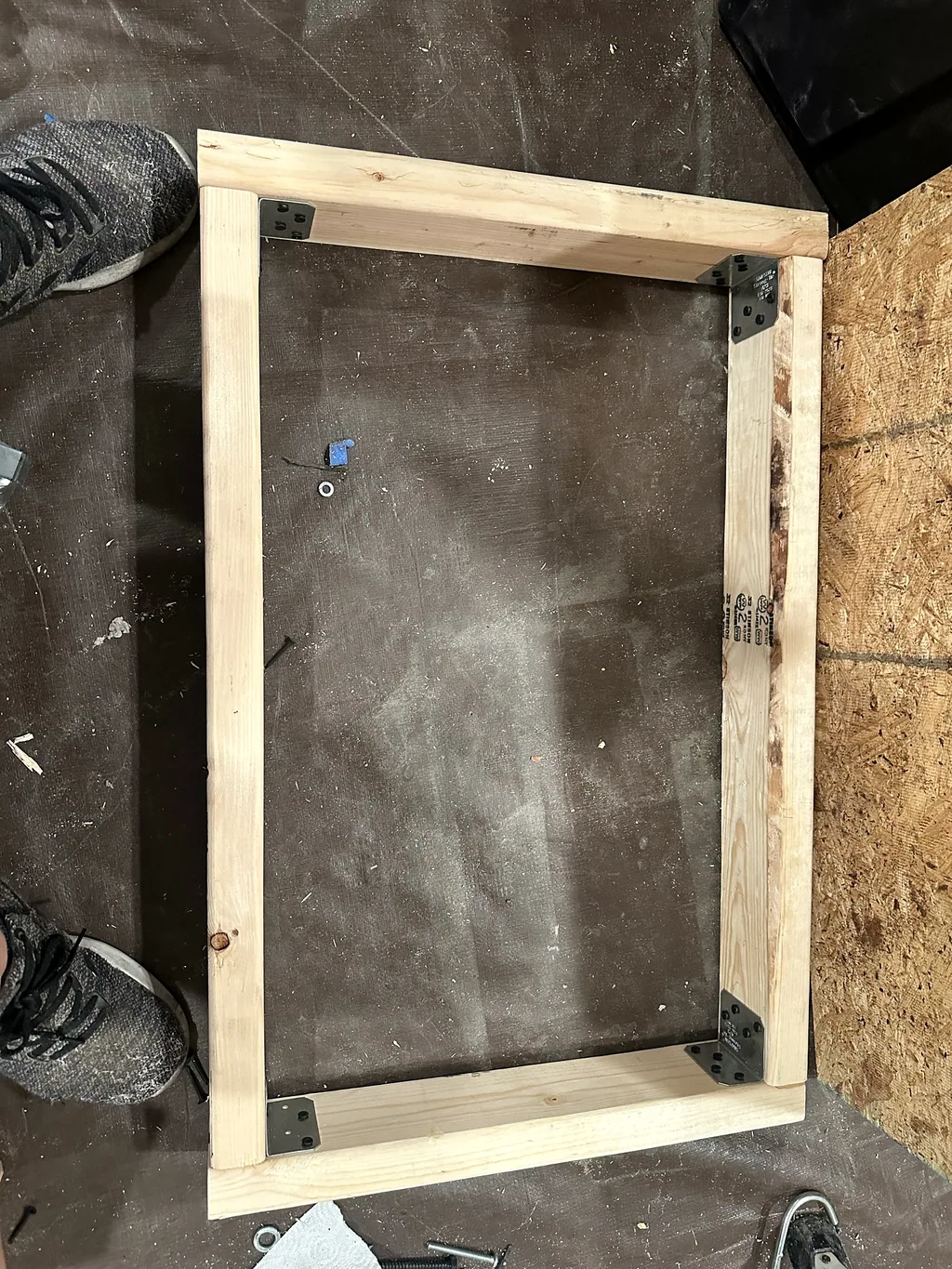
Break a complete interior into readable work packages. Furniture, lining, equipment, finish and installation can be described separately while remaining part of one proposal. This makes omissions easier to spot and gives you a place to record questions. A single price with a broad label may be convenient to read but difficult to compare.
Ask how optional features are shown. Keep them outside the selected total until chosen, and identify whether adding one affects other work. An option may change a furniture dimension or equipment position rather than simply adding a line to the price. Carry that effect back into the layout comparison before treating the proposal as settled.
Use the conversion-cost guide to compare like-for-like scopes. Preserve currencies, dated amounts and the source of each figure. Separate quoted work from your own estimates for items outside the proposal. That prevents a more complete offer from appearing expensive merely because another quote left important work for you to arrange.
Make Equipment And Substitution Questions Specific
For selected equipment, ask for the exact identity or the process by which it will be chosen. Keep a generic category distinct from a specified component. If a proposal says “battery system” or “water system,” identify what further design and selection work is included before assuming it describes a final parts list.
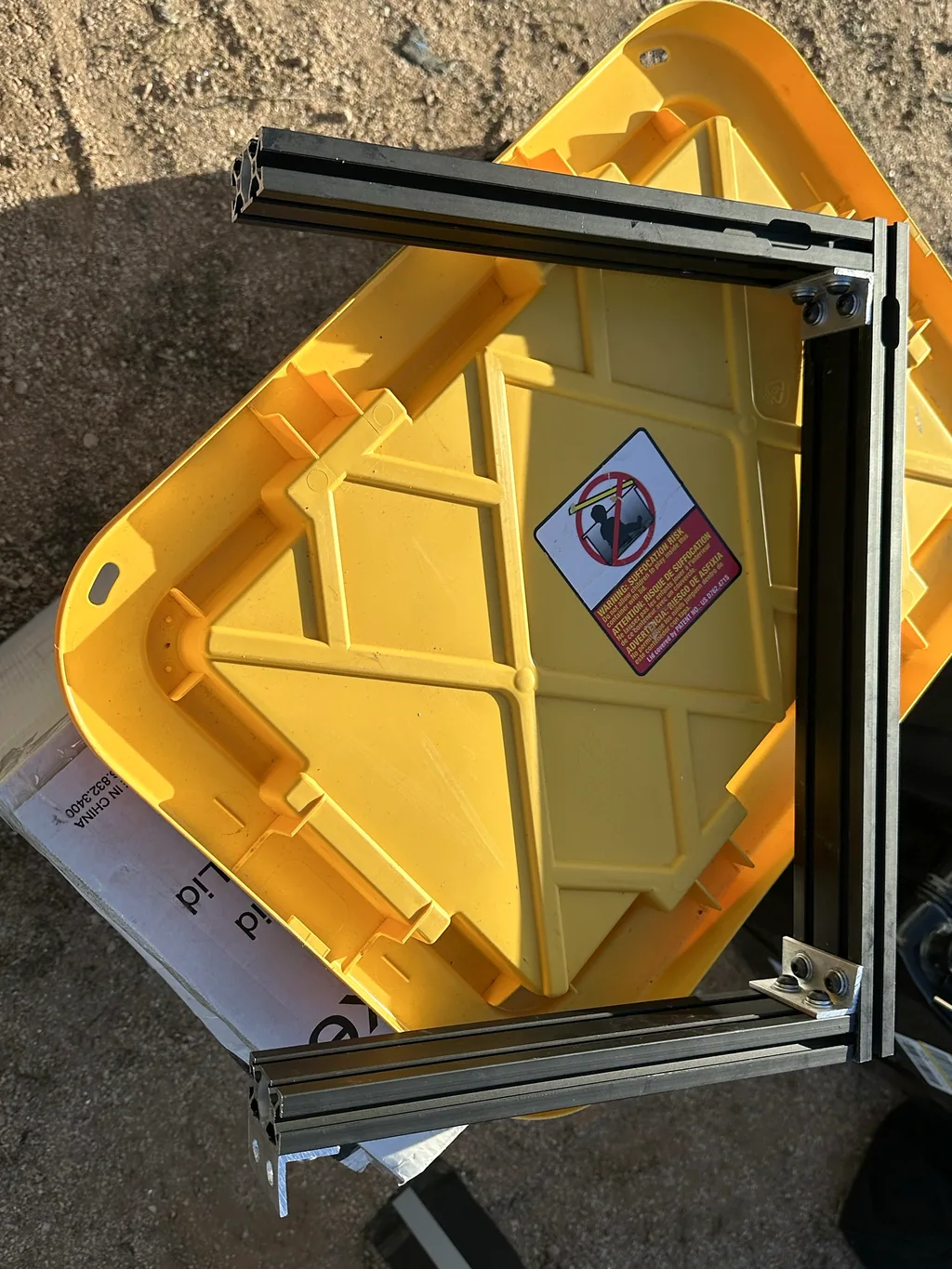
Record the documents expected for the installed configuration. A component's manual, the arrangement drawing and a list of control locations serve different purposes. Ask how those records will be matched to the actual equipment fitted. A collection of generic brochures does not explain an installation as clearly as a coordinated equipment and drawing record.
Ask how a proposed substitution is communicated and reflected in the project. A different item can affect dimensions, access or the relationship to other components. Keep the originally selected identity and the proposed replacement visible until the affected decisions have been resolved. This makes the change understandable without relying on memory of a conversation.
If you are supplying equipment, clarify the information and timing the builder needs from you. A component that arrives after an opening is finalized can create a dependency. Put the required model, dimensions and delivery status in the shared decision list. The aim is a coherent installed arrangement, regardless of who buys each individual item.
Clarify The Design And Decision Process
Ask which drawings or layout views you will receive and at what stage. Identify the decisions each view is intended to support. A plan view may show furniture positions, while another view explains height or an opening. Request enough information to understand the proposed routine and interfaces without treating every attractive rendering as a dimensioned construction document.
Keep your responses tied to a revision. If you request a cabinet move, identify the drawing and the reason. Ask what other parts are affected. The decision-log method provides a simple structure: previous choice, proposed choice, evidence, dependencies and status. That is useful whether you are building alone or communicating with somebody doing the work.
Separate acceptance of a design choice from completion of the work. A selected arrangement still needs to be built and checked. Record the later result against the same requirement. If the physical installation differs from the drawing, preserve the change history instead of silently replacing the original plan with a photograph.
Agree on a practical place for current questions and responses. Avoid spreading the active design across several unconnected message threads. A readable decision list helps both sides see what is resolved, what is awaiting information and what work depends on the answer. Preserve the original documents alongside it so the summary remains traceable.
Discuss Access And Future Ownership
Ask how the finished interior provides access to the equipment it surrounds. Identify inspection openings, working room and component-removal routes. These are different functions. The maintenance-access guide can help you turn a general request for serviceability into specific questions about panels and neighboring furniture.
Include ordinary use in that discussion. Where are controls reached, where do accessories live and how are frequently used supplies replenished? A neatly hidden component can still need inconvenient furniture movement for a routine task. Record those transitions in the same way you record the more visible bed and kitchen routines.
Ask what identifying records will remain with the van. A labeled panel photograph, equipment list and drawing can make future questions easier to answer. If a part is custom made, ask how it is described in the handover record. Keep that information separate from an assumption that every replacement will be available indefinitely.
Discuss the company's actual support arrangements using its current written terms. Record the contact route, scope and documents relevant to your selected work. Preserve what is stated rather than converting a general description of customer service into a promise about every later issue. The useful comparison is the arrangement actually offered for your project.
Compare Time And Your Own Responsibilities
Ask for the proposed stages and the information needed before each can proceed. Vehicle delivery, component selection, layout decisions and supplied materials may all affect the sequence. Record the stated dates with their conditions. A broad estimate becomes more useful when you know which decisions must be ready to keep the work moving.
List the tasks that remain yours. These might include supplying records, choosing a finish, delivering selected equipment or arranging work outside the proposal. Keep them alongside the builder's tasks. A complete conversion plan needs both sides of the handover, particularly when the company is carrying out only part of an existing project.
Identify how progress will be documented. Useful checkpoints relate to completed work packages and the decisions they resolve. A photograph can show progress, but it should be connected to the scope and current drawing. Keep a record of what remains rather than interpreting every visible improvement as completion of the whole conversion.
Consider your availability for decisions. A custom arrangement can require timely answers about layout or finish. If you cannot respond during a particular period, identify that in the plan before assuming the proposed sequence remains unchanged. The practical goal is a schedule built around actual responsibilities, with the dependencies visible to everyone involved.
Work Through A Hypothetical Proposal Difference
Suppose two companies both quote a bed-and-storage unit. Proposal A includes the frame, panels and installation, while Proposal B includes an assembled unit delivered for you to install. They may both be reasonable offers, but they are not yet the same scope. Put the remaining attachment work and related parts beside Proposal B before comparing totals.
Now suppose Proposal A uses a fixed arrangement while Proposal B changes into a seating area. Compare the functions as well as the work. If the brief requires quick access to stored equipment with the bed ready, check that state in both layouts. A convertible feature is useful when it serves your routine, not simply because it adds another configuration.
Ask each company the same unresolved questions. Which outside dimensions are shown? What is included around the opening? What documents describe the completed result? Keep the answers in the relevant cells instead of writing a broad favorable score. This exposes the actual tradeoff and gives you a clear next step.
End by choosing the complete result you want, then the offer that best addresses it. If neither answers an essential requirement, revise the brief or continue the comparison. The example is a method for reading proposals; replace it with the actual furniture, equipment and written scope for the project you are considering.
Prepare A Handover Checklist Before Work Starts
Write down what you expect to receive with the finished project. Include the selected layout, equipment identities, applicable manuals, access information, controls explanation and the record of agreed changes. Connecting those records early makes it easier to ask how they will be produced than trying to reconstruct them after the interior is closed.
Tie the handover review to the original requirements. Walk through the sleeping, cooking, storage and work routines selected in the brief. Record the actual arrangement and any outstanding task. Keep supplied items and unfinished work identifiable rather than relying on a general statement that everything is included.
Preserve the final configuration separately from earlier proposals. Keep the earlier versions as history, with the current one clearly identified. That gives future changes a reliable starting point. It also helps you understand whether a later question concerns the original design, a documented change or a new requirement introduced after handover.
For me, the strongest company comparison would end with a readable explanation: this is the work I want, this is what the proposal includes, these decisions remain and these records will explain the finished result. My build diary demonstrates why that project history matters. A clear brief lets you bring the same practical detail to work performed by somebody else.
Build A Proposal Matrix Without Hiding The Differences
Use a matrix that separates requirements, proposed solutions and evidence. Put one requirement in each row and one company in each column. Under each response, record the drawing, quote section or written answer that supports it. An empty cell remains an open question. Avoid awarding a favorable score to an unanswered requirement merely because another part of the proposal is appealing.
Keep the price comparison beside the scope comparison. If one offer includes installation and another stops at delivery, show the additional work before comparing totals. If one uses a different layout, describe the functional difference. The matrix should make the proposals easier to understand, not flatten unlike results into one unexplained number.
Choose priorities before evaluating the final responses. Mark the requirements that determine whether a proposal can serve the project, then record preferences separately. You can use your own weighting for appearance, convenience or time, but keep the underlying observations readable. A total score is less helpful than knowing that a preferred proposal still needs an essential storage question resolved.
Use a short clarification round for the remaining gaps. Refer to the current brief and ask each company the specific question in its unresolved cell. Save the answer with the date and proposal revision. If the answer changes the scope, update the affected cost and schedule notes too, instead of leaving the new fact disconnected from the original offer.
When you reach a selection, write a paragraph explaining it. State the result being commissioned, the scope included and the tradeoffs you accepted. Identify any decision still required before the next stage begins. This explanation is useful later because it preserves why you chose the offer rather than only which company had the most attractive gallery or initial price.
Preserve A Current Brief During The Project
Keep one clearly identified current brief while retaining earlier versions. When a selected change affects the work, update the relevant drawing and decision record together. A supplier answer about an old arrangement should remain in the history rather than being treated as the answer for a new one. This makes communication more efficient and gives the eventual handover checklist a consistent description of the selected result to follow.
Frequently Asked Questions
How Should I Compare Conversion Companies?
Give each the same vehicle record and requirements brief. Compare supplied work, equipment, exclusions, remaining decisions and handover records. Keep alternative layouts separate so you can judge both the result and the work included.
Is A Portfolio Enough To Choose A Builder?
Use relevant examples to ask specific questions about functions, construction and appearance. Then request a proposal for your actual vehicle and scope. Keep gallery features distinct from the equipment and work included in that proposal.
What Should My Conversion Brief Include?
Include the exact starting vehicle, existing work, intended routines, required functions, carried items, preferences and endpoint. Identify equipment you supply and unresolved choices. Attach the current drawing revision and any measurements that shape the requested work.
How Do I Handle A Proposed Change?
Record the previous and proposed choice, reason, affected drawings, cost and dependencies. Resolve the related questions before treating the change as selected. Preserve acceptance and physical completion as separate stages in the record.
Which Records Are Useful At Handover?
A current layout, exact equipment list, matched manuals, access photographs, control locations and a change record help explain the installed result. Link each to the actual vehicle and selected work. Keep outstanding tasks visible alongside the completed scope.