
You do not have to choose between building every part yourself and buying a finished camper van. A conversion can combine DIY furniture, ready-made components and help with specific jobs. Decide one project at a time, using your layout, available time, total cost and the documentation each option provides.
This article starts with a roof-rack purchase from my original build, then turns that experience into a practical way to compare the options.
Watch My DIY or Ready-Made Film
I compare building and buying components using my roof rack decision and the tradeoffs of a mixed approach.
Press Play To Start The Video.
Read The Video Transcript
Hi, I'm Steve Smith with Camper Van Freedom. A conversion can combine furniture you make, components you buy and help with particular jobs. My roof-rack purchase prompted me to reconsider how much I could design and assemble myself. The useful comparison is one complete project at a time, with the same required result on both sides, rather than a materials-only price beside an installed package.
Start with the job the component must do. Record its required space, functions and connections to the rest of the van. A storage unit needs usable space and an opening you can reach. A roof arrangement needs its equipment positions and mounting details. Put the requirements beside the measured layout before comparing products, materials or outside help.
Compare complete ways of doing that particular job. Making it from materials gives control over dimensions and construction. A ready-made component or kit supplies a defined product and assembly process. Help with one job carries an agreed scope, while a completed van offers an existing arrangement to inspect. For each option, record what is included, what remains and how it connects to the rest of the conversion.
Use the actual instructions and included-parts list to define the remaining work. Identify cuts, holes, brackets, finishing, assembly and installation. Check the exact vehicle or component configuration and the documentation and support supplied. The word kit alone does not tell you which of those tasks is complete. Keep dimensions, mounts and service access connected when mixing different approaches.
Price the same full scope with current quotes. List materials or kit contents, extra fittings and fasteners, finishes, tools and consumables. Add delivery, taxes, workspace, research, measuring, assembly, checking and any paid assistance. Keep a separate allowance for rework or a change you choose to make. Compare actual quoted costs separately from estimates, so missing work is visible before comparing totals.
Include learning and time in the decision. My original account describes late-night research into electrical work, plumbing and other parts of the conversion. Enjoying that learning can be part of the reason to choose D I Y, while practice pieces, mistakes and help still belong in the estimate. Match the job to the time, workspace and skills available, then record the checks it needs.
Choose a mixed approach when it suits the project. You might make furniture for a particular space, buy a documented component and arrange help for another task. Keep the interfaces between those choices visible. Define one project, compare included and excluded work, check your resources and decide how the result will be checked. Then buy the tools and materials required for that chosen scope.
Thanks for watching. I'm Steve Smith with Camper Van Freedom. Customization, convenience and the enjoyment of making something matter differently to each builder. My comparison worksheet approach keeps those preferences beside the complete work and cost. The full guide, original build context and related project-planning pages are linked below. Until next time.
Watch This Film On YouTube · English Captions (VTT) · Download The Transcript
Quick Answers Before Choosing DIY or Ready-Made
Is DIY Always Cheaper Than Buying a Conversion Component?
Compare the same complete scope using current quotes, including parts, accessories, tools, delivery, workspace, time, help and rework. A materials-only estimate and an installed component include different work. Use the complete-scope cost checklist to identify missing items before comparing totals.
Can You Combine DIY and Ready-Made Parts in One Van Build?
Yes. You can decide one project at a time, building some parts and buying components or arranging help for others. Check how the choices connect: dimensions, mounts and service access must work together. Compare each job with your skills, time and workspace using the mixed-approach guidance.
What Should You Check Before Buying a Conversion Kit?
Read the exact instructions and included-parts list before ordering. Identify the installation, cuts, holes, mounts, finishing and other tasks that remain, then check van compatibility, documentation and support terms. A product photo or the word “kit” does not define the complete scope. Start with the instructions and remaining-work checks.
DIY and Ready-Made Parts Can Share a Build
What I Bought for My Van
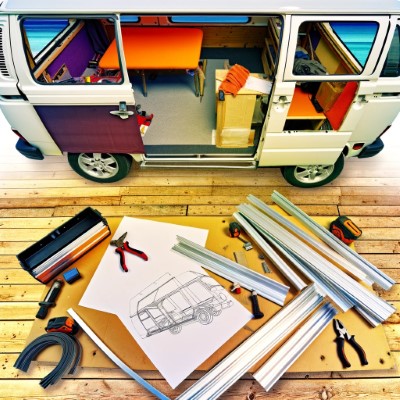
In the original build account, I reported spending $2,690 on a Flatline Low Pro Roof Rack and side ladder. The Flatline Low Pro Roof Rack Roof Rack Entry preserves the project notes.
What the Purchase Made Me Reconsider
After buying the rack, I began considering how much of the project I could have designed and assembled myself.
For your own comparison, obtain the actual rack model's material, mounting and load documentation. Price the full alternative, including brackets, fasteners, finishing, shipping, tools and your time. An extrusion frame alone is not the same package as a documented rack and ladder installation.
Start with the Job the Component Must Do
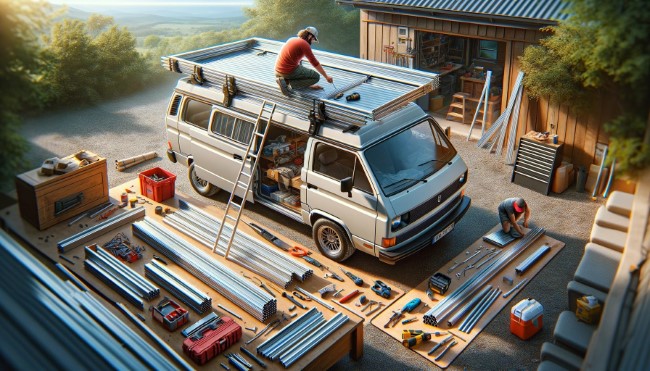
Write down what you need before shopping: the space a cabinet must fit, the items a storage system must hold, or the equipment a roof rack must accommodate. Check those requirements against the van and the supplier's instructions. A lower purchase price is useful only when the complete solution fits the job.
Compare DIY, Kits and Professional Help
Use this comparison for a specific component, rather than treating it as a verdict on every camper conversion.
| Option | Possible Advantage | What To Check |
|---|---|---|
| DIY From Materials | Control over dimensions and construction. | Tools, workspace, design checks, learning time and the complete parts list. |
| Ready-Made Component Or Kit | A defined product and assembly process. | Exact van compatibility, included parts, installation work, instructions and support terms. |
| Professional Help For A Job | Someone else carries out the agreed work. | Written scope, exclusions, qualifications, documentation and how the work connects to the rest of your build. |
| Completed Camper Van | An existing layout you can inspect. | Vehicle and conversion condition, service records, system documentation and whether the layout meets your needs. |
Use Guides to Define the Work
Read the instructions and included-parts list when comparing kits. Identify the cuts, holes, brackets, finishing steps and other work involved. The Build Diary shows how individual projects fitted into this conversion.
Include Learning and Rework in the Estimate
My original account described late nights researching electrical work, plumbing and other parts of the build. Enjoying that learning can be a good reason to choose DIY, but it still takes time. Budget for practice pieces, consumables, mistakes and any help you will need. For a project requiring skills you have not developed, decide how you will get the work checked before it becomes hidden behind the interior.
Price the Complete Scope
Compare options with the same scope. A parts-only quote, an installed component and a finished van include different work. Make a short estimate for each option with these lines:
- Materials Or Kit: Required components and what the quoted package actually includes.
- Extras: Mounts, fittings, fasteners, finishes and missing accessories.
- Tools And Consumables: What you own, can borrow or still need.
- Delivery And Workspace: Shipping, taxes and any space you must arrange.
- Time And Help: Research, measuring, assembly, installation, checking and paid assistance.
- Rework Allowance: A separate amount you choose for mistakes or changes.
Use current quotes for your own budget.
Choose a Mixed Approach If It Fits
You might build furniture to suit a particular layout while buying documented components for other parts of the conversion. You can also complete one job yourself and ask for help with the next. Keep interfaces in mind: dimensions, mounts and service access need to work together.
Make the Decision Before Buying Tools
- Define One Project: Write its required dimensions, functions and constraints.
- Compare Complete Options: List every included and excluded task.
- Check Your Resources: Match the work to your skills, time and workspace.
- Plan The Checks: Record the documentation and tasks the job needs.
- Buy For The Chosen Work: Select the materials and tools your plan actually requires.
The Project Planning Guide helps sequence the work. Once you have chosen the scope, use Essential Conversion Tools or browse Tools And Materials By Project to find the recovered product lists.
Keep the Build Aligned with Your Needs

Choose the approach that you can complete, document and maintain. Customization, convenience and the pleasure of making something matter differently to each builder. Compare them honestly against the work and cost, then use the build diary as one person's experience rather than a promise that another conversion will turn out the same.
If the buy option is an existing conversion, follow the used camper van viewing guide before comparing it with the work you would undertake yourself.
When you choose outside help, use my conversion-company comparison guide to prepare a consistent brief and compare the actual work included in proposals.
Compare The Work In Five Actual Planning And Build Examples
Usable Space Before Furniture Purchases. Compare the measured interior, openings and storage access before choosing a kit or custom cabinet. The usable-space guide separates the furniture envelope from the empty storage it can provide.
A Purchased Fan Within A Custom Roof Plan. The fan is one component in a shared roof arrangement. The roof-vent guide connects its documented opening and clear space with the rack, panels, cables and interior control position.
Custom Camera-Bracket Fabrication. My roof-camera frame required angle pieces, drilled holes, T-nut fitting and later attachment changes. Use that sequence when defining the full scope of a custom mount rather than pricing extrusion alone.
Purchased Boards With Installation Work Remaining. My HD Ridez passenger-side project follows trim access, prepared mounting points and the attached bracket. It illustrates the difference between buying the component and completing its installation on the van.
Wheels, Tires And A Separate Shop Stage. The Method and BFGoodrich project combines purchased parts with a shop visit and original before-and-after footage. Keep those product and work records together when comparing a mixed approach to an exterior change.