Sprinter, Transit Or ProMaster: The Short Answer
Start with Transit or Sprinter if an available factory AWD configuration is a requirement; include ProMaster if front-wheel drive fits your plans. Then compare the exact vehicles for finished bed space, standing clearance, weight allowance, condition and total cost. The badge alone cannot settle those checks.

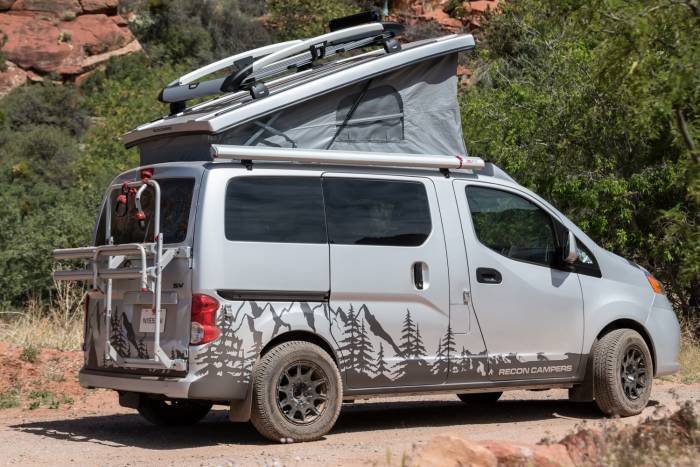
The best van for a camper conversion is the exact vehicle that fits your layout, finished weight, travel plans and total budget. Transit, Sprinter and ProMaster are useful platforms to compare. Nissan NV belongs in a separate discontinued-vehicle comparison.
This site follows a Ford Transit build. The build journals can help you inspect project choices.
Transit Vs. Sprinter Vs. ProMaster
| Platform | Manufacturer Reference | Decision To Check On Your Shortlist |
|---|---|---|
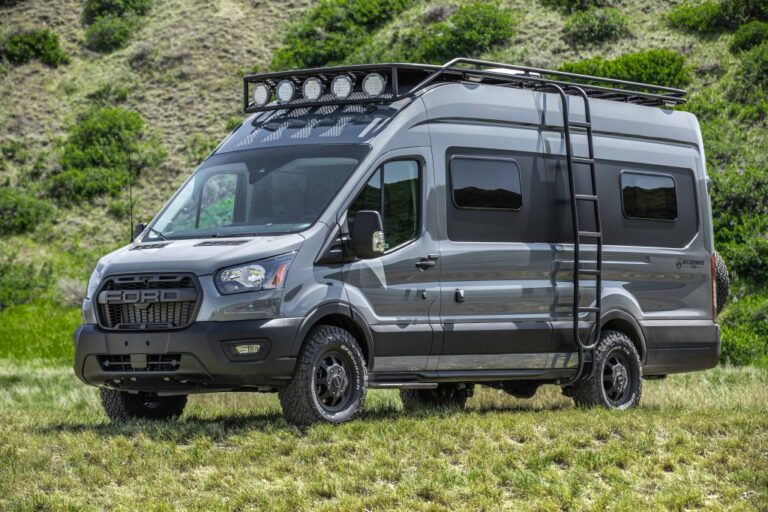
| Ford Transit | Standard rear-wheel drive; all-wheel drive available. Ford 2026 overview. | If AWD matters, confirm it on the actual vehicle. Use the Transit build journals for project context, then match the roof and body configuration to your layout. |
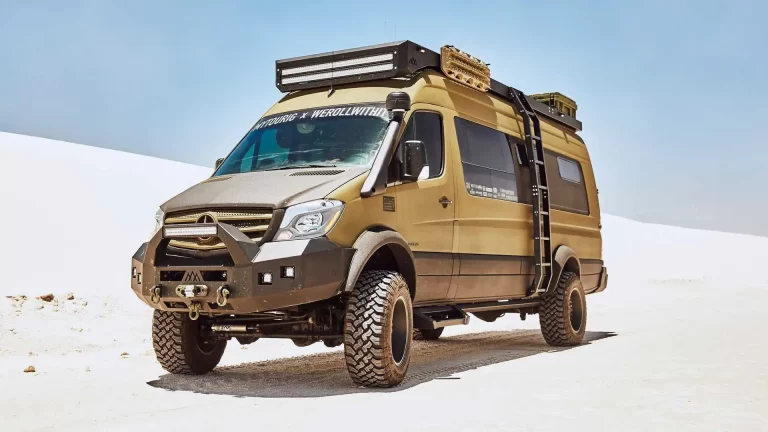
| Mercedes-Benz Sprinter | Cargo lineup includes rear-wheel-drive and AWD configurations. 2026 Sprinter Cargo lineup. | Match wheelbase, roof, drivetrain and model year before comparing dimensions or weight ratings. Confirm service options for the vehicle and places you plan to travel. |
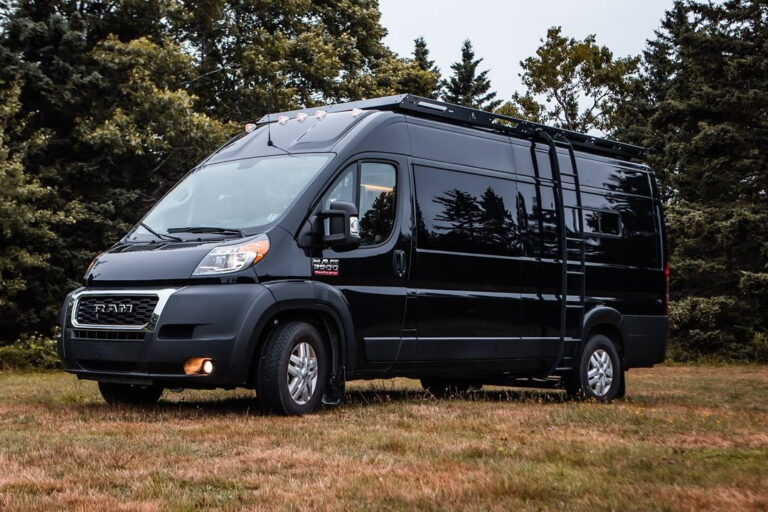
| Ram ProMaster | Front-wheel drive in the published cargo range. 2026 ProMaster capability. | Include it when FWD fits your travel requirements. Measure usable bed space and finished standing clearance; do not select it from a general width reputation. |
| Nissan NV | Discontinued-vehicle option, kept separate from this three-platform current-range comparison. | Check the individual used vehicle's configuration, condition, service history, parts support and weight labels. |
Drivetrain references checked October 21, 2026. These describe the cited 2026 U.S. cargo ranges, not every model year or individual listing.
See the current manufacturer references for Sprinter Cargo, ProMaster Capability and Nissan NV Cargo. These references cover the configurations described there.
Read The Transit Configuration Before Comparing Space
Keep wheelbase, body length and roof configuration as separate entries when comparing Transit listings. A familiar wheelbase label does not identify the whole body or the finished living space. Match the vehicle's model year and body type before carrying a specification into your layout.
- Wheelbase
- Ford's glossary defines wheelbase by the distance between the centers of the front and rear wheels. Record it separately from the vehicle's overall length.
- Body Length
- Retain the manufacturer's length label and its full configuration heading. Overall exterior length and cargo floor length describe different measurements; neither is a measurement of your finished bed or cabinet space.
- Roof Configuration
- Keep the roof label with the body configuration. Exterior vehicle height, cargo height and finished standing clearance are different checks. Plan floor and ceiling allowances separately from the vehicle specification.
Page 4 of Ford's 2026 Transit Technical Specifications (PDF) separates Cargo Van and Passenger Van columns and lists roof, wheelbase, overall length and cargo dimensions in different rows. It is a model-year reference, not evidence that a particular used van matches a selected column.
Ford Transit Van Size Comparison: 2026 Cargo Van
These five configurations come from the Cargo Van columns on page 4 of Ford's 2026 specification sheet. All dimensions below are in inches. The extended configuration uses the same published wheelbase as the long configurations, with a longer body.
2026 Ford Transit Cargo Van dimensions — factory specifications, not finished camper clearances
On a narrow screen, swipe the table sideways to see every measurement.
| Length / roof | Wheelbase | Overall length | Cargo floor length (front) | Cargo height (max) |
|---|---|---|---|---|
| Regular / Low | 129.9 | 219.9 | 126.0 | 56.9 |
| Long / Low | 147.6 | 237.6 | 143.7 | 56.9 |
| Long / Medium | 147.6 | 235.5 | 143.7 | 72.0 |
| Long / High | 147.6 | 235.5 | 143.7 | 81.5 |
| Extended / High (SRW) | 147.6 | 263.9 | 172.2 | 81.5 |
Source: Ford 2026 Transit Technical Specifications, page 4, checked October 21, 2026. SRW means single rear wheels. The extended row uses the published SRW values before the slash; it does not fill the source's blank DRW values. Passenger Van, Chassis Cab, Cutaway and E-Transit dimensions are outside this table.
Which Transit Size Should You Put On The Shortlist?
Start with the jobs the space must accommodate. Mark the proposed bed, storage and movement area on a measured plan, then compare the required layout with a matching vehicle configuration. A larger published cargo dimension can help screen a listing.
For parking, compare the actual vehicle's outside envelope with the space you must enter or store it in, including any fitted roof equipment. For the interior, measure the intended furniture locations and allow for the planned floor, ceiling and wall build-up. Carry those separate checks into the vehicle-shortlist worksheet; keep the configuration unresolved until the listing and vehicle evidence agree.
Carry One Complete Configuration Into Your Notes
- Identify The Vehicle: Record the listing, model year, cargo or passenger body, length and roof configuration. Keep drivetrain and wheel configuration with the record when the specification distinguishes them. Mark an unclear listing detail as unresolved.
- Keep The Source Attached: Save the document title, model year, page, complete column heading and units beside any value you use. Preserve the row label too, so “overall length” does not become “interior length” in your notes.
- Check The Measurement You Actually Need: For parking or storage, establish the actual vehicle's exterior envelope, including fitted equipment. For furniture, record usable space at the intended location and height. Use the wheel-well and door checks rather than assuming a cargo-volume figure answers a fit question.
- Carry Unknowns Forward: Put missing configuration evidence or an unverified measurement in the existing vehicle-shortlist worksheet. Resolve it before calling the layout a fit. The SketchUp finish-thickness workflow keeps planned lining separate from the bare-van reference.
Keep your own measurements distinct from a seller's description and a manufacturer's published specification.
Quick Answers Before You Pick A Van
Which Van Is Best For A Bed Across The Width?
The right candidate is the one with enough measured finished width at your intended sleeping height. Compare your required bed length with the actual wall shape and planned lining, then test the arrangement using the full-size layout mockup checklist.
Which Is Cheapest To Convert?
Compare complete estimates for the actual vehicles: purchase, immediate repairs, the same required layout and equipment, and operating-cost notes. Mark missing quotes as unknown.
Should AWD Decide The Purchase?
Treat AWD as one requirement if your travel plans call for it. Keep space, weight, condition and budget checks open too. When you change the requirement or layout, record the reason and the affected measurements in your van build decision log before comparing the shortlist again.
Compare Your Vehicle Shortlist
Use the free worksheet to compare up to three actual vehicles, rather than assigning one score to an entire van brand. Record the model year, roof and body configuration, measured living space, vehicle weight labels, inspection findings and complete budget for each listing. Keep the listing or document supporting each answer alongside it.
Download The Van Comparison Worksheet (CSV)
Open the CSV in your spreadsheet app and fill in your own measurements and estimates. Blank weight or cost fields mean the information still needs checking; they are not zero values. Keep an unresolved fit, weight or repair question visible before choosing a vehicle.
Start With The Decisions That Could Rule A Van Out
Write down what your layout must accommodate before comparing listings. That might be your chosen bed arrangement, standing space after finishes, a route through the side door or access to stored equipment. Separate those requirements from preferences you could change. Use the same requirements for Vehicle A, Vehicle B and Vehicle C.
Work through Measured Finished Bed Space, Measured Standing Clearance After Finishes and Door And Wheel-Well Clearances first. Use the wheel wells, doors and usable-space guide for location and opening checks. The SketchUp guide explains how to record finish thickness.
Keep Each Answer Tied To The Actual Vehicle
Enter the listing or seller contact and the vehicle configuration at the top of each column. Keep evidence identifiable by vehicle: for example, label the supporting photograph or inspection document “Vehicle B” in Evidence Or Source. Record whether an answer came from your measurement, a seller statement, a vehicle label or model-year documentation. A seller's estimate still needs checking when the decision depends on it.
Read the manufacturer references above for the relevant platform and configuration. Their current ranges help identify what to check. For a used vehicle, match the year and configuration before carrying a specification into the worksheet.
Continue through service records, inspection findings and local service options. Keep vehicle weight labels, actual weighing conditions and planned loads distinct in the weight rows. If those inputs are missing, leave the remaining-margin result unresolved. The worksheet organizes the evidence.
Record A Decision And The Next Check
Compare purchase, immediate repairs, conversion estimates and operating-cost notes on the same basis. Mark which estimates still need a quote. An unknown repair bill should not improve a candidate's apparent total.
Use Decision Notes and Unresolved Questions Before Purchase to state what happens next. For example, “Keep Vehicle A on the shortlist; confirm the finished bed space,” describes an open check rather than a proven fit. If a verified measurement rules out a required arrangement, record whether you will change that arrangement or remove the vehicle from consideration. A low asking price does not answer the fit question.
Keep the completed comparison with its supporting records and date your own saved copy. Revisit a decision when a measurement, inspection or quote changes. This gives you a traceable choice between actual vehicles without pretending that one platform is best for every conversion.
Choose Your Layout Before The Platform
Sketch the bed, kitchen, storage and access routes before committing to a van. Measure the usable interior of the actual roof and body combination. Allow for the floor, ceiling and wall finishes rather than treating empty cargo dimensions as finished living space.
If a bed across the van is essential, check its finished length at the intended sleeping height. If standing room matters, check your finished floor-to-ceiling clearance. Include doors, wheel wells and curved body panels in the layout.
Check The Finished Weight
List the people, conversion structure, batteries, water, equipment and luggage the finished van will carry. Read the vehicle’s own weight labels and documentation. A maximum payload or towing figure advertised for another trim is not the rating for your vehicle.
Roof equipment needs its own check, including the roof rack, storage, solar equipment and anything attached to them. Use the instructions for the exact vehicle and mounting system instead of transferring limits from a similar-looking van.
Match The Vehicle To Your Travel
Identify the roads, climates and parking situations you expect to encounter. Verify the actual drivetrain and equipment on the vehicle you are considering.
For a used van, review service records, rust, collision repairs and an independent inspection. Include maintenance and repair planning in your comparison rather than relying on a brand’s general reputation.
Compare The Whole Budget
Compare the purchase cost with the repairs, conversion, accessories and operating costs you expect. List required work separately from optional upgrades. A lower purchase price does not necessarily mean a lower completed-build cost.
Keep your own cost estimates tied to the specific vehicle and layout.
Follow The Ford Transit Build
Once you have a vehicle shortlist, use the build journals to see how individual jobs were approached and which tools and materials were listed. Start with the diary, then open the project relevant to your next decision.
Follow The Van Build Browse Build Resources
Related Video
Watch The Van Comparison Video