When people compare a camper van with an RV, they usually mean a van-sized living arrangement versus a larger motorhome or a towable setup. I would make that comparison using one representative trip. The useful question is which complete arrangement supports the travel, living and ownership tasks you actually expect, with the tradeoffs visible before choosing a format.
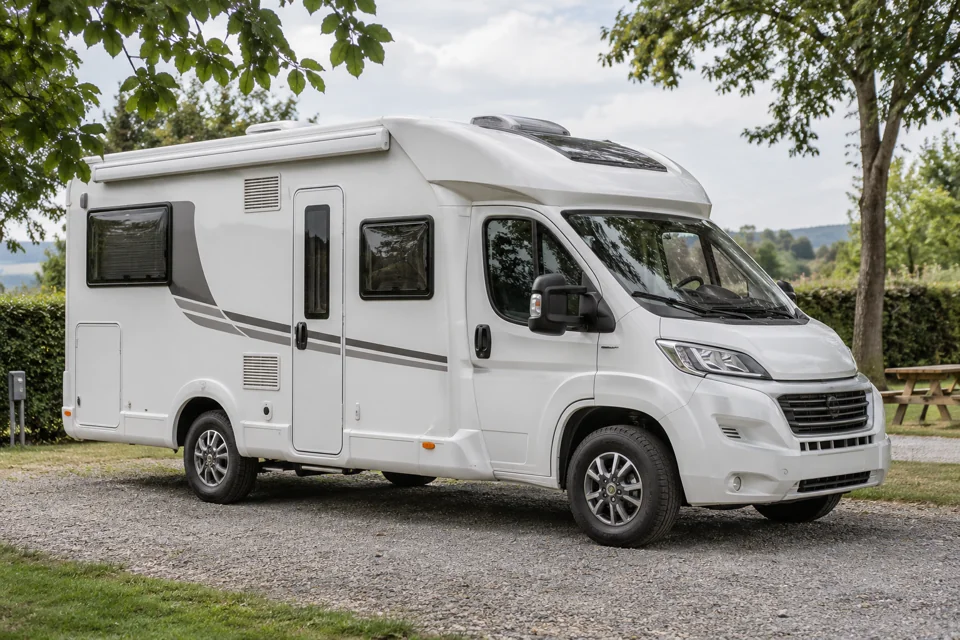
The terminology overlaps. The RV Industry Association includes motorhomes among RVs and identifies Type B as the van-based category in its vehicle-category definitions. For this comparison, I use camper van for the van-format candidate and larger motorhome or towable for the other actual candidates on your shortlist.
My own reference is my 2023 Ford Transit 250 high-roof extended conversion. It gives me a real build to discuss, while the decision here starts with your trips and requirements. The van-platform guide compares specific van platforms; this page compares the wider travel formats and the complete routine each creates.
Download The Blank Compare The Whole Trip Worksheet
Compare Actual Candidates, Not Just Categories
Start with one actual camper van and one actual alternative, or a small shortlist of each. Record the exact model, year, layout and configuration. Broad categories can suggest questions, but the answers come from the vehicles and equipment being considered. Two layouts within one category can create very different daily routines.
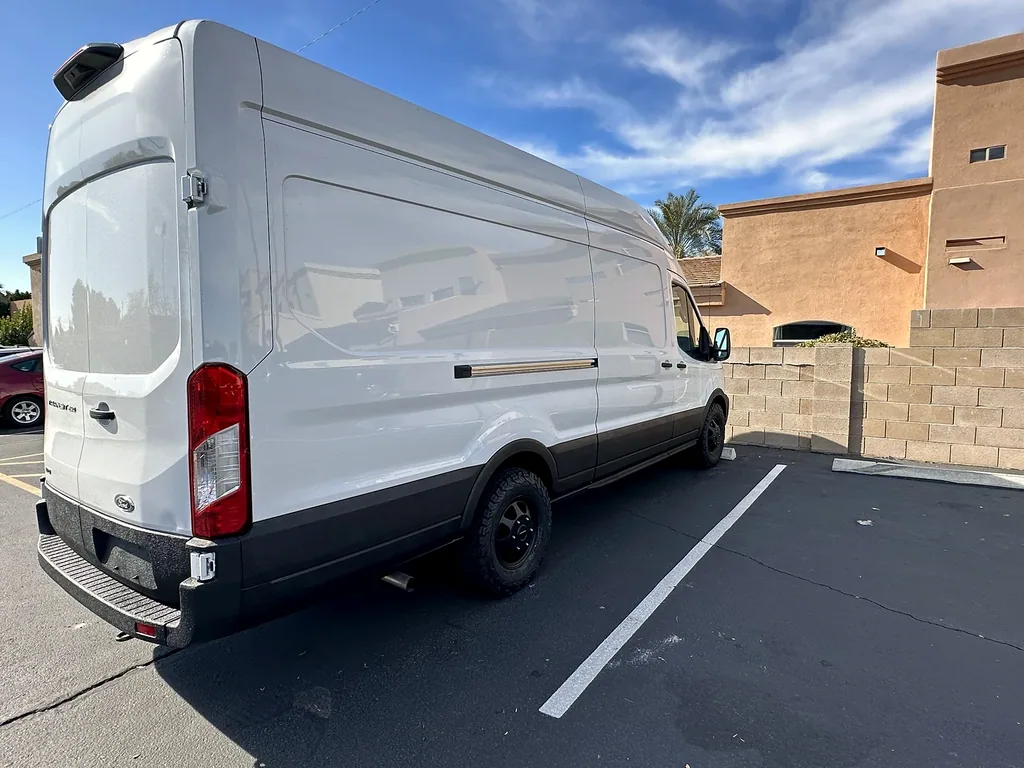
Keep the candidate's outside dimensions, interior arrangement and current equipment together. Use manufacturer information for the relevant version and your own observations when viewing it. Preserve the source date. A current brochure for a similar model should not silently become the specification for a used vehicle whose configuration differs.
For a towable comparison, include the complete travel combination you would use. Record the actual tow vehicle and trailer requirements as their own verified subjects. The living-space comparison does not resolve that compatibility question. Keeping the combination explicit also prevents comparing one vehicle's purchase price with only one part of another arrangement.
Give each candidate the same requirements sheet. If a separate bathroom, accessible storage or a work surface is essential, check it in all of them. Do not relax the requirement for the one whose appearance you prefer without recording the change. A consistent brief makes the differences useful instead of turning the comparison into a collection of favorable impressions.
Describe A Complete Representative Trip
Write the trip from loading at home to returning and putting things away. Include the people, activities, carried equipment and expected stops. A short moving trip and a longer stay in one place can make different features valuable. Describe the pattern you expect rather than choosing a format around an imagined trip you may rarely take.
Record the ordinary transitions. Arriving, setting up the living area, preparing a meal, going out during the day and leaving again all involve work. Give each task a place in the comparison. The amount of open floor shown in a photograph does not describe how often furniture or equipment must be moved to complete those tasks.
Include the arrangements available at your intended destinations. Keep them specific and verify current requirements with the destination when they affect the decision. A general statement that a format can go anywhere or always has access to particular facilities does not help compare the actual trip. Record the known arrangement and the alternative you want available.
Separate repeated needs from occasional ones. A feature used every morning deserves different attention from equipment carried for one activity. Put your priorities beside the routine. The strongest candidate is the one that supports the pattern you actually value, with a clear explanation of the compromises you are willing to make.
Compare Traveling And Daily Movement
Think about what happens when you want to leave the overnight location for an activity or supply stop. In a self-contained vehicle, identify what needs to be packed or returned to its travel position. In a towable setup, identify the actual setup and departure sequence for the combination you are considering. Compare the tasks rather than assuming either process is effortless.
Record which possessions occupy temporary locations while parked. Work equipment, bedding, cooking items and outdoor gear may need to move before travel. Give them a defined place. A spacious parked arrangement can still create a lengthy pack-away routine if ordinary items have no consistent travel storage.
Consider the routes and stops you expect to use with the actual vehicle dimensions. Use current destination information where restrictions or site requirements matter. Keep those details separate from a broad claim about the category. A particular van and a particular larger motorhome should each be checked against the places on your trip list.
My weekend-conversion guide uses a departure and return card to organize these tasks. Adapt that method to every candidate. The result is a practical list of what changes between driving and living, which often reveals more than a general argument about maneuverability or interior size.
Walk Through Sleeping And Morning Routines
Put the bed in its actual sleeping state and check the surrounding access. Identify where clothing, personal items and morning supplies are reached. Include the needs of the other people using the space. A large bed can be appealing while creating an inconvenient route through the rest of the interior.
For a convertible arrangement, observe or rehearse the changeover. Record the pieces moved and where bedding and displaced items go. For a fixed bed, check access around and beneath it. The fixed-versus-convertible guide addresses that specific choice, which can occur within more than one travel format.
Check what happens when one person stays in bed while another begins the day. Can the required clothing, food or bathroom area be reached? Record the complete arrangement in that state. This is particularly useful when comparing an open van interior with a more divided floor plan, because the functional difference depends on the actual positions and openings.
Keep your required sleeping dimensions separate from a brochure's largest measurement. Use the actual finished space, including the part of the bed you would occupy. If a shape or cushion arrangement changes the usable area, record it. The comparison should explain the result you need rather than treating every bed description as equivalent.
Compare Food Preparation And Bathroom Use
Walk through a meal from retrieving supplies to cleaning up. Identify the available surface, storage access and the space occupied by the user. If the same surface supports work or another activity, record the changeover. A larger kitchen footprint is useful when it supports the routine, but its shape and relationship to the rest of the interior still matter.
Compare the bathroom arrangement in use and during servicing. Include privacy, the approach, supplies and any furniture that must move. If a shower shares another area, show the setup, drying and return-to-normal stages. The bathroom-layout guide provides a detailed comparison framework for those states.
Identify the exact equipment and documents when the shortlist reaches a particular vehicle. Keep capacities and installation details tied to that configuration. A category name does not establish how long supplies last or how a system is serviced. Start with your intended uses, then compare the actual selected arrangement and its recorded requirements.
Notice what remains available while these functions are in use. Can another person reach the entrance or storage? Does an open bathroom door conflict with the kitchen? A more divided floor plan may separate activities, while an open arrangement may share the same space. Record the specific interaction rather than assuming the visual style determines the result.
Test Storage With Your Actual Equipment
List the things that travel with you and identify their outside dimensions where they affect fit. Compare loading openings, storage positions and retrieval routes. A large compartment's stated volume does not tell you whether an awkward object can pass through the door or be removed without unloading several other items.
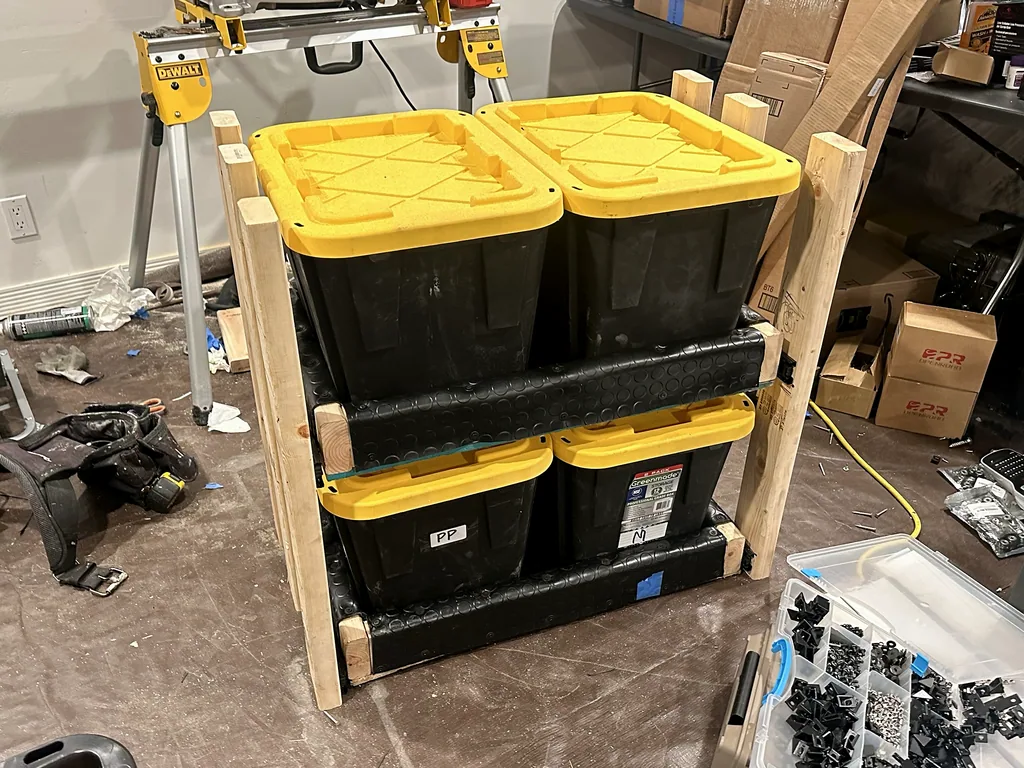
Separate the items used every day from the equipment retrieved only at the destination. Map each group to a location in every candidate. This makes storage access comparable even when the compartments differ in shape. An object that has no useful home should remain an open requirement instead of disappearing from the plan because another area looks generous.
Include used and wet items in the return routine. The load can change state during a trip without changing its total quantity. Give those items an appropriate temporary location in the actual arrangement. A storage comparison that considers only clean departure packing may miss the task that makes the cabin awkward halfway through the weekend.
My storage-bin drawer planning article separates the container, furniture frame and movement. Apply that same method to the candidates here. The useful result is a packing map with clear access, not a claim that one vehicle category always carries more practical equipment than another.
Compare Work, Relaxing And Shared Space
If you plan to work inside, place the actual equipment in the proposed working position. Include the screen, input devices, seating and the space needed to approach it. Then show where those items go when work ends. A surface labeled “desk” or “dinette” does not settle the whole routine by itself.
Compare simultaneous use. One person may work while another prepares food, relaxes or sleeps. Draw those activities together in the actual floor plan. Record the conflicts or independence they create. A larger vehicle may provide separated areas, but the benefit depends on whether those areas match the activities you intend to repeat.
Keep shared-use transitions explicit. If the work area becomes a meal surface, identify what moves and where it is stored. If it remains a permanent work area, account for the space it continues to occupy. My full-time-living guide develops this everyday-state comparison in more detail.
Also describe the quiet ordinary time between major activities. Where do you sit, put a drink or reach a book? Which items remain visible in the living area? These details help compare the comfort of complete arrangements without relying on a staged empty interior or promising that a particular format will suit every traveler.
Include The Between-Trips Arrangement
Record where the candidate would be kept between trips and what access you need there. Use the actual dimensions and the current requirements of the place involved. Keep any unresolved permission, access or storage question as a named next action. A trip vehicle also needs a practical home arrangement, not just an appealing destination plan.
List what remains loaded and what comes out. Food, clothing, work equipment and activity gear may have different storage patterns. If the vehicle has another purpose between trips, describe the changeover and where removed items live. The modular-interior guide helps define those transitions for a flexible van arrangement.
Include preparation for the next departure. Identify supplies that must be replenished, equipment that returns from home storage and checks required by the actual installed components. Keep the process tied to the selected vehicle documents. The comparison should show the work you expect to perform, rather than assuming a larger or smaller format eliminates it.
Compare how well that routine fits your available time and space. A setup that works neatly at one home may be inconvenient at another. This is a personal constraint, so preserve the actual circumstances in your comparison. It can be as important as an interior feature when deciding which arrangement you will use regularly.
Compare Acquisition And Ongoing Work Separately
Separate the amount needed to obtain the selected arrangement from the tasks and costs of owning it. Use actual quotes for the specific candidates, keeping vehicle purchase, conversion work, immediate repairs and desired changes distinct. Do not compare a used van's asking price with a new completed motorhome or only part of a towable combination without naming the difference.
For an unfinished or DIY candidate, define the work still required to reach your selected routine. The cost-planning guide provides a complete-scope method. Keep planned, quoted and actual amounts separate, and leave a named next action beside any unresolved line rather than treating it as zero.
For a completed used arrangement, gather the equipment and condition records needed to understand the work ahead. The used-conversion viewing guide helps organize that evidence. A demonstrated function, a seller statement and a maintenance record answer different questions, so preserve their sources.
Keep ongoing service tasks visible even when their costs are not yet known. Identify the vehicle, installed equipment and support arrangements applicable to each candidate. Obtain the relevant figures for your circumstances before comparing totals. The useful decision comes from specific records, without inventing a universal ownership-cost advantage for one format.
Compare Documentation And Service Access
Ask what records explain the actual living installation. Identify the equipment, relevant manuals, drawings, controls and access points. A manufactured model may have a year-specific document set, while an individual conversion may have project photographs and component records. Evaluate how well those records describe the candidate in front of you.
Walk through the service routes the records identify. Distinguish seeing a part, reaching it and removing it. A convenient control location does not necessarily describe replacement access. The maintenance-access guide provides a way to record the openings and neighboring furniture involved in each task.
Keep changes made by previous owners visible. An older manual or drawing can remain useful while no longer matching every fitted item. Record the current configuration separately and preserve the earlier material as history. This makes later questions easier to resolve than assuming the whole interior is unchanged from its original specification.
Include the handover information you would want if you selected the candidate. A readable equipment list, matched manuals and access photographs are useful ownership tools. Comparing them alongside the layout gives you a fuller picture of the arrangement than judging only its visible finish or number of features.
Use A Decision Matrix With Meaningful Rows
Create one row for each requirement that affects the choice. Examples include sleeping access, the food routine, bathroom privacy, equipment loading, departure preparation, between-trips storage and service access. Use one column per actual candidate. Write observations and open questions before adding any overall preference.
Mark requirements separately from preferences. If an essential object cannot be loaded through an opening, that is different from a finish you would change. Keep the reason beside the observation. This avoids letting several attractive optional features obscure a single unresolved need that determines whether the candidate can serve the intended trip.
Record tradeoffs rather than trying to make every cell positive. One arrangement may simplify departure while another separates living activities more effectively. Explain which matters more for your trips. The decision should show the compromise you chose, not imply that the selected vehicle wins every possible comparison.
Finish with a next action for each candidate: retain on the shortlist, resolve a specific question or remove it from consideration. Save the source records and date the matrix. If your trip pattern changes, the comparison can be revisited without mistaking the old requirements for a permanent verdict on camper vans or other RV formats.
Turn The Comparison Into A Specific Choice
Return to the representative trip and read it from beginning to end beside the strongest candidate. Check the packing, arrival, daily living, movement and return-home stages. Identify any requirement still supported only by an assumption. Resolve the important open questions before treating the comparison as finished.
Then summarize why the selected format suits your routine. Keep the statement concrete: the actual layout supports these activities, the carried equipment has these locations and the ownership arrangement fits these circumstances. That is more useful than saying one category represents freedom or comfort better in general.
My build diary documents the projects behind one Transit conversion. It can provide ideas and context while your own comparison remains tied to the vehicles you are considering. Use the specific observations and records to choose the format, then use the relevant guides to plan the detailed work or ownership steps that follow.
Preserve the rejected option's reasoning too. If a later trip or equipment change alters your requirements, you can see what would need to be different for that arrangement to make sense. A good comparison leaves you with a clear present choice and a record of the tradeoffs behind it.
Recheck The Choice Against Two Different Days
Use the representative trip for the main comparison, then choose a second day that stresses a different part of the arrangement. If the first day involves moving between locations, the second might be a day spent mostly inside at one stop. Keep the same carried equipment and people so the comparison explores a different routine rather than an entirely different brief.
Write the tasks in order and note what remains set up between them. A layout that is convenient during travel may require repeated changeovers during a stationary day. Another may provide separate living areas while creating more work before departure. Record those differences as the actual tradeoff between the candidates, without expanding them into a universal claim about every vehicle in the category.
Compare the two days with your expected trip pattern. If you move frequently, the departure process may deserve more weight. If you commonly stay in one place, the parked routine may matter more. Keep that priority explicit in the final decision paragraph so the choice remains understandable if your travel pattern changes later.
Save both routine sheets with the candidate matrix. They provide a practical explanation of how the selected arrangement fits your use, including the conditions where another option might be more convenient. The decision then rests on complete days and specific observations, rather than only the strongest feature of one vehicle or a photograph showing its most favorable state.
Frequently Asked Questions
Is A Camper Van An RV?
The terms overlap: RVIA's motorhome categories include the van-based Type B. In an everyday comparison, specify whether the alternative is a larger motorhome or a towable arrangement, then compare the actual candidates and their complete trip routines.
Is A Larger Interior Always More Practical?
Compare access, furniture states, carried equipment and simultaneous activities in the actual layout. More space can support additional functions, but its usefulness depends on how those functions serve your routine. Record the specific benefit rather than relying on size alone.
How Do I Compare A Towable With A Van?
Include the actual travel combination, setup and departure routine, destination arrangements and between-trips storage. Keep vehicle/trailer compatibility as its own verified subject. Compare the complete required result and all parts of the selected arrangement.
What Should I Check During A Viewing?
Walk through sleeping, meals, bathroom use, storage and any work routine in the states you expect to use. Observe changeovers and identify service access. Keep equipment identities, documents and unfinished work connected to the specific candidate.
What Makes The Final Decision Useful?
A requirement-based matrix with actual observations, sources, open questions and a clear explanation of the selected tradeoffs. Save it with the candidate records. Revisit it when your trip pattern or carried equipment changes.